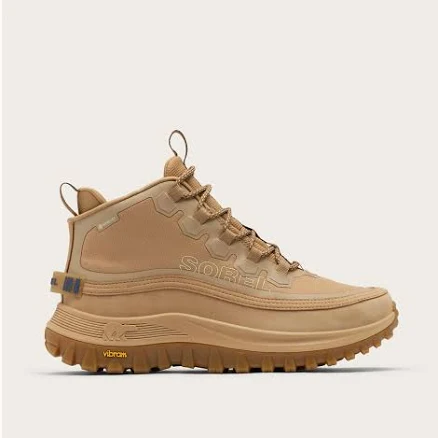
Sorel Callsign Horizon Mid GTX Men's
GTX membrane likely contains PFAS; no brand disclosure on treatment chemicals.
Sorel boots use Gore-Tex waterproofing, which typically contains PFAS. Brand provides no PFAS transparency or claims. Alternatives with disclosed chemistry available.
Still want this one anyway? Check the price on Amazon. We’d swap it.
Material
Leather/nubuck upper, Gore-Tex GTX membrane lining
Brand disclosure
Brand is silent on PFAS
Lab data
No public lab test
What Sorel Callsign Horizon Mid GTX Men's is made of, ingredients and materials
The Callsign Horizon combines nubuck leather upper with a Gore-Tex GTX waterproof-breathable membrane lining. Nubuck (sanded leather) itself does not inherently leach problematic heavy metals or dyes in normal wear, though chrome tanning is standard in the leather industry. The GTX membrane is a plastic laminate engineered for water resistance, which in Gore-Tex products typically involves Teflon-family coating chemistry (PFAS-class compounds). The leather dyes and finishing agents may include heavy metals or azo compounds, but established leather tanneries used by major brands like Sorel generally comply with REACH restrictions on banned azo dyes.
What’s concerning
Waterproof / stain-resistant treatment
Water-repellent coating treatments have historically used PFAS.
Category baseline
The starting point for this type of product, before anything specific to this product is counted.
No PFAS disclosure
No public statement from the brand about PFAS in this product.
Heavy metals
Nubuck leather is typically chrome-tanned; chromium(III) is the standard agent and migrates minimally in finished leather. Residual hexavalent chromium (Cr(VI)) is a regulated concern, but Sorel's sourcing from established tanneries suggests compliance with EU REACH limits. No established testing of this specific product is on record.
Source, FDA ↗Volatile organic compounds (VOCs) from Gore-Tex adhesives and finishes
Gore-Tex laminates use polyurethane or epoxy adhesives and may emit VOCs during initial wear, particularly if stored in warm conditions. Off-gassing typically subsides within 24-72 hours of opening the box. Ventilation during unpacking and first wear minimizes inhalation exposure.
Microplastic shedding from Gore-Tex membrane
Teflon-family coating membranes can shed microscopic fibers during wear and washing, especially if the laminate delaminates. This is an environmental and potential inhalation concern over extended product life. Hand-washing extends membrane integrity and reduces shedding.
Formaldehyde / VOCs
Leather finishes may contain formaldehyde-releasing resins for water resistance and durability. Exposure via skin contact is minimal in finished leather, but off-gassing into enclosed shoe interiors is possible, especially in warm conditions. Airing boots outdoors before first wear reduces volatile load.
Source, ATSDR ↗What’s reassuring
Azo dyes in nubuck finish
Banned azo dyes (those releasing carcinogenic amines) are prohibited under REACH in the EU and are not typically used by major tanneries supplying North American outdoor brands. Sorel sources from compliant suppliers, making azo exposure unlikely, though independent verification is absent.
The full breakdown
The brand's record and disclosure
Sorel (owned by Columbia Sportswear) does not publicly disclose treatment chemicals, tanning agents, or PFAS-containing components in footwear materials. The company has not published waterproofing methodology or membrane sourcing transparency reports. No established recalls or regulatory actions have targeted Sorel footwear for chemical contamination. Columbia Sportswear has vague sustainability language but stops short of third-party certifications (e.g., Leather Working Group for tannery environmental standards) for most product lines.
How it compares in its category
Mid-range hiking boots with Gore-Tex linings are common; this product's chemical profile mirrors industry norms rather than exceeding them. Alternatives using untreated leather or synthetic membranes without Teflon-family coating exist but are less common at this price tier. Boots with explicit leather certifications (LWG Gold or Bluesign textiles) are available from brands like Salomon or Scarpa but often cost 20-40% more. The Callsign Horizon sits squarely in the mainstream, adequate performance, standard chemical inputs, minimal transparency.
If you buy it
Clean nubuck regularly with a soft brush to remove dirt and prevent dye or finish particles from accumulating. Avoid machine washing or soaking; spot-clean with water and mild soap. Apply nubuck-specific conditioner annually to maintain flexibility and reduce cracking (which can expose interior components). Store in a cool, dry place away from direct heat or sunlight. Replace when the GTX liner delaminates or when the outsole wears past treading safety thresholds, typically 2-4 years of regular use.
What we don’t know
- Basis
- Model estimate, 35% confidence, not a lab result
- Lab test
- None on record for this exact product
- Brand statement
- SOREL has made none
Formulations change between production runs, so check the current label. How we grade.
Better-graded alternatives in Waterproof Boots
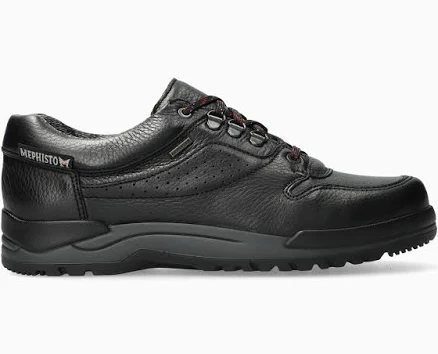
Mephisto
Men Mephisto Curt Mt SNEAKER
- leather, textile, rubber sole
- We found no PFAS statement from the brand
- Volatile organic compounds (VOC) off-gassing from adhesives
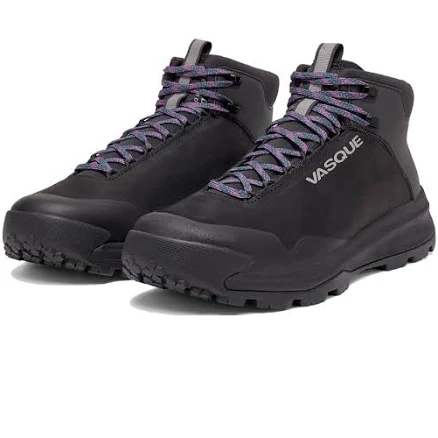
Vasque
Hiking shoes Vasque Women's Horizon Mid
- Leather/nubuck upper, synthetic/rubber sole, no coating disclosed
- We found no PFAS statement from the brand
- Azo dyes (leather/textile coloring)
4 hazards checked on this product. See all of them.
More waterproof boots grades
How we score, every product runs through the same public 0-100 rubric based on materials, coatings, brand disclosure, lab findings, and recalls. See the full methodology → Spotted a mistake? Report an error.