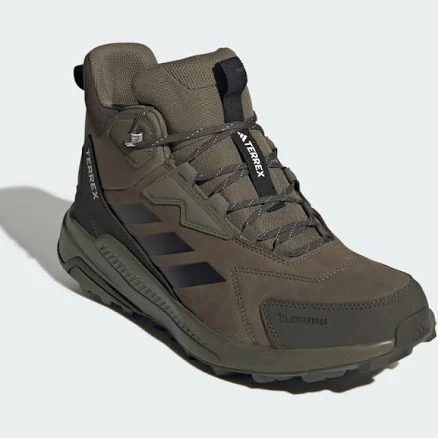
Mens adidas Terrex Anylander Leather Mid Climaproof Hiking Shoes
Adidas Climaproof likely uses water-repellent coating, PFAS status unclear.
Climaproof is Adidas' proprietary water-repellent technology on leather. Adidas has not publicly disclosed whether this coating contains PFAS, typical for many water-repellent coating treatments in hiking footwear.
Still want this one anyway? Check the price on Amazon. We’d swap it.
Material
Leather upper with Climaproof water-repellent coating
Lab data
No public lab test
You may also be interested in
Top-graded picks in the categories readers replace first, every one scored on the same rubric.

- polypropylene filter housing, carbon/sediment cartridge
- We found no PFAS statement from the brand
- Bacterial growth in spent cartridges
3 hazards checked on this product, all on its full breakdown.

Aquasure
Premier Series 75 GPD Under Sink Reverse Osmosis Water Filtration System
- RO membrane, carbon filters, stainless steel housing
- We found no PFAS statement from the brand
- Bacterial and microbial growth in housing and filters
4 hazards checked on this product, all on its full breakdown.

Avocado
Vegan Mattress
- organic cotton, natural latex, coconut coir, recycled steel coils
- The brand calls it PFAS-free, which we have not verified
- Heavy metals
2 hazards checked on this product, all on its full breakdown.
What Mens adidas Terrex Anylander Hiking Shoes is made of, ingredients and materials
The upper is leather, which requires chrome or vegetable tanning and chemical finishing to achieve water resistance and durability. Adidas applies a 'Climaproof' water-repellent coating (water-repellent coating) coating to the leather surface; this coating class often contains PFAS compounds, though Adidas has not publicly disclosed the specific chemistry of their formulation. The shoe also includes synthetic reinforcement, adhesives, and rubber sole components, all of which may contain residual solvents or off-gassing compounds during the break-in period.
What’s concerning
Waterproof / stain-resistant treatment
Water-repellent coating treatments have historically used PFAS.
Category baseline
The starting point for this type of product, before anything specific to this product is counted.
No PFAS disclosure
No public statement from the brand about PFAS in this product.
Formaldehyde / VOCs
Chrome-tanned leather (standard in athletic footwear) and synthetic leather finishes often contain formaldehyde-releasing preservatives and cross-linking resins. Off-gassing is highest during the first 1-2 weeks of wear but persists at lower levels.
Source, ATSDR ↗Azo dyes in leather coloring
Adidas does not publicly disclose dye chemistry for this product. Azo dyes are permitted in leather but some formulations release carcinogenic amines under certain conditions (sweat, wear friction). Likelihood depends on supplier, which is not disclosed.
Adhesive and solvent residues
The shoe construction involves glued seams and synthetic overlays; adhesives often contain volatile organic compounds (VOCs) and may off-gas during the first few weeks. Proper airing reduces this risk substantially.
Antimony in polyester reinforcement
The shoe likely contains polyester mesh lining or reinforcement panels. Antimony is used as a catalyst in polyester synthesis; residual antimony may leach slightly into sweat, though levels in footwear are generally low and adhere to regulatory limits in most markets.
Microorganism growth from retained moisture
If the water-repellent coating fails or degrades, the leather and synthetic linings retain moisture, creating conditions for mold and bacterial growth. This is a use-phase hazard dependent on care and climate, not inherent to the material.
How is this PFAS grade calculated?
The brand's record and disclosure
Adidas has not issued clear public commitments to PFAS-free water-repellent coating coatings across its product lines, and their Climaproof technology remains undisclosed. The brand has faced pressure from environmental groups over fluorinated water repellents but has not published reformulation timelines. Adidas does hold some certifications (e.g., Bluesign partnerships) that limit certain chemicals, but these do not guarantee PFAS absence in water-repellent coating treatments. Transparency on this specific product's coating is minimal.
How it compares in its category
Hiking shoes with leather uppers and water-repellent coatings are standard in this price segment; nearly all brands use some form of water-repellent coating treatment. Competitors like Salomon, Merrell, and La Sportiva face the same PFAS uncertainty in their water-repellent coating layers. Alternatives with lower PFAS concern exist but are rare in mainstream hiking footwear and typically cost more or sacrifice water resistance. This shoe is typical for its category in terms of chemical risk profile, not a high-hazard outlier.
If you buy it
Air the shoes out for several days after purchase to minimize exposure to volatile organic compounds from adhesives and finish. Avoid wearing them indoors for extended periods during the first week. Clean and maintain the water-repellent coating per Adidas care instructions (gentle hand wash, air dry away from heat); a worn-out water-repellent layer increases moisture absorption and potential mold growth. Replace the shoes after 300-500 hiking miles or when the sole shows significant wear; do not wash in machine or immerse for extended periods, as this degrades the water-repellent coating layer and may increase off-gassing.
What is not known about PFAS in this product?
- Basis
- Model estimate, 45% confidence, not a lab result
- Lab test
- None on record for this exact product
- Brand statement
- Adidas has made a specific claim
Formulations change between production runs, so check the current label. How we grade.
What are the PFAS-free alternatives to Mens adidas Terrex Anylander Leather Mid Climaproof Hiking Shoes?
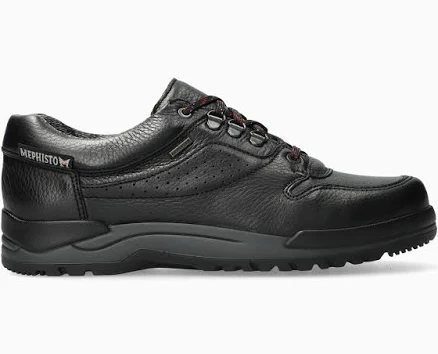
- leather, textile, rubber sole
- We found no PFAS statement from the brand
- Volatile organic compounds (VOC) off-gassing from adhesives
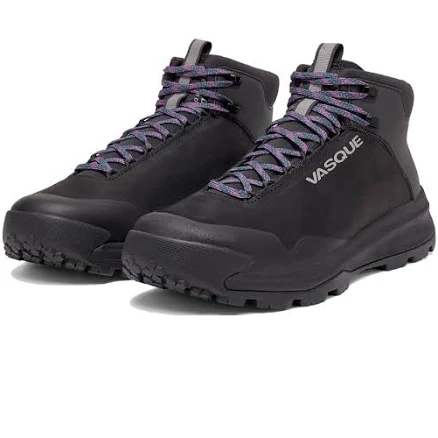
- Leather/nubuck upper, synthetic/rubber sole, no coating disclosed
- We found no PFAS statement from the brand
- Azo dyes (leather/textile coloring)
4 hazards checked on this product, all on its full breakdown.
Find an alternative on AmazonMore waterproof boots grades
How we score, every product runs through the same public 0-100 rubric based on materials, coatings, brand disclosure, lab findings, and recalls. See the full methodology → Spotted a mistake? Report an error.