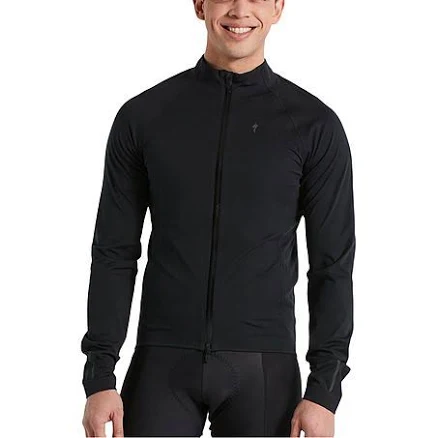
Specialized · Cycling Rain Jackets
Specialized Men's SL Neoshell Rain Jacket
water-repellent coating rain jackets typically contain PFAS; brand silent on composition.
Specialized does not publicly disclose PFAS status for this Neoshell jacket. water-repellent coating-coated apparel commonly uses fluorinated chemicals; without explicit testing or commitment, assume elevated concern.
Still want this one anyway? Check the price on Amazon. We’d swap it.
Material
nylon ripstop with Neoshell membrane, water-repellent coating
Brand disclosure
Brand is silent on PFAS
Lab data
No public lab test
You may also be interested in
Top-graded picks in the categories readers replace first, every one scored on the same rubric.

- polypropylene filter housing, carbon/sediment cartridge
- We found no PFAS statement from the brand
- Bacterial growth in spent cartridges
3 hazards checked on this product, all on its full breakdown.

Aquasure
Premier Series 75 GPD Under Sink Reverse Osmosis Water Filtration System
- RO membrane, carbon filters, stainless steel housing
- We found no PFAS statement from the brand
- Bacterial and microbial growth in housing and filters
4 hazards checked on this product, all on its full breakdown.

Avocado
Vegan Mattress
- organic cotton, natural latex, coconut coir, recycled steel coils
- The brand calls it PFAS-free, which we have not verified
- Heavy metals
2 hazards checked on this product, all on its full breakdown.
What Specialized Men's SL Neoshell Rain Jacket is made of, ingredients and materials
The SL Neoshell Rain Jacket uses nylon ripstop as the base fabric paired with Specialized's proprietary Neoshell membrane, a thin breathable layer bonded to the nylon. The water-repellent coating (water-repellent coating) coating applied to the exterior is the primary chemical concern here; traditional water-repellent coating formulations rely on PFAS chemistry to achieve water shedding without blocking breathability. Nylon itself is chemically stable in normal wear, but the finishing treatments and adhesives used to bond the Neoshell layer are where chemical leaching risk concentrates.
What’s concerning
Waterproof / stain-resistant treatment
Water-repellent coating treatments have historically used PFAS.
Category baseline
The starting point for this type of product, before anything specific to this product is counted.
No PFAS disclosure
No public statement from the brand about PFAS in this product.
PFAS
Standard Teflon-family coating water-repellent coating on nylon ripstop rain jackets almost universally contains PFAS compounds. No public statement from Specialized rules this out; industry default is PFAS-based formulation.
Source, ATSDR ↗Formaldehyde / VOCs
The bonding process between nylon and Neoshell membrane, and any wrinkle-resistance or durable-press finishes, may incorporate formaldehyde-based resins. Nylon itself does not require formaldehyde, but industrial finishing processes sometimes do; Specialized does not certify FORMALDEHYDE-FREE.
Source, ATSDR ↗Azo dyes in colored nylon
The dyed nylon ripstop may contain azo dyes, which can release carcinogenic amines under sweat or light exposure. No third-party dye certification (OEKO-TEX, bluesign) is advertised for this model.
VOC off-gassing from adhesives and coatings
New jackets may emit volatile organic compounds from laminate adhesives and water-repellent coating curing for the first few wears. Off-gassing is typically mild and brief with polyester-based laminates, but increased by heat or humidity.
Microplastics
Repeated washing and wear break down the Neoshell layer and water-repellent coating, releasing nylon and Teflon-family coating particles. This is a lifecycle issue common to all technical rain jackets, not specific to Specialized, but relevant if garment is washed frequently.
Source, EPA ↗How is this PFAS grade calculated?
The brand's record and disclosure
Specialized has not published detailed information about the PFAS content, suppliers, or alternatives being tested in their rain gear line. The brand does not advertise PFAS-free water-repellent coating or reference third-party certifications like bluesign or OEKO-TEX Standard 100 for this model. Compared to competitors like Arc'teryx and Patagonia, which have made public commitments to phasing PFAS in apparel, Specialized remains silent on the issue, suggesting standard PFAS-based water-repellent coating is still in use.
How it compares in its category
Most budget-to-mid-range technical rain jackets (The North Face, Decathlon, Salomon) still use PFAS-based water-repellent coating coatings, so the SL sits in a crowded and typical market segment on this hazard. Higher-end brands (Rab, some Patagonia lines) have publicly moved toward wax-based or fluorine-free water-repellent coating alternatives, though these trade some durability or breathability. The Neoshell membrane itself is a competent design, but it doesn't offset the absence of transparency on the chemical inputs.
If you buy it
Wash separately from skin-contact items for the first few washes to minimize transfer of loosely bound water-repellent coating particles. Avoid high-heat drying; air dry or low heat only, as heat accelerates polymer degradation and can increase chemical leaching from the adhesives and coatings. Reapply water-repellent coating as needed (every 1-2 years with heavy use), but choose PFAS-free alternatives such as wax-based products if available. Plan replacement within 5-7 years; degradation of the membrane bond and coating is normal, and a worn jacket loses its safety margin.
What is not known about PFAS in this product?
- Basis
- Model estimate, 35% confidence, not a lab result
- Lab test
- None on record for this exact product
- Brand statement
- Specialized has made none
Formulations change between production runs, so check the current label. How we grade.
What are the PFAS-free alternatives to Specialized Men's SL Neoshell Rain Jacket?
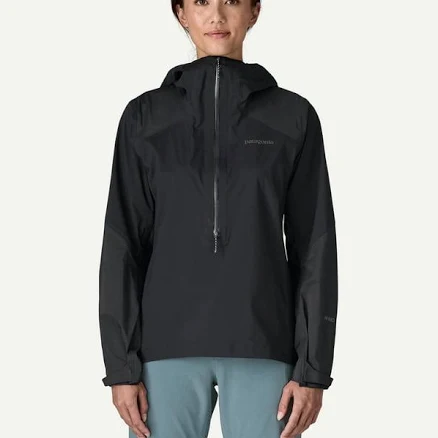
- polyester shell with water-repellent coating finish
- The brand calls it PFAS-free, which we have not verified
- Azo dyes and color fastness
4 hazards checked on this product, all on its full breakdown.
Find an alternative on Amazon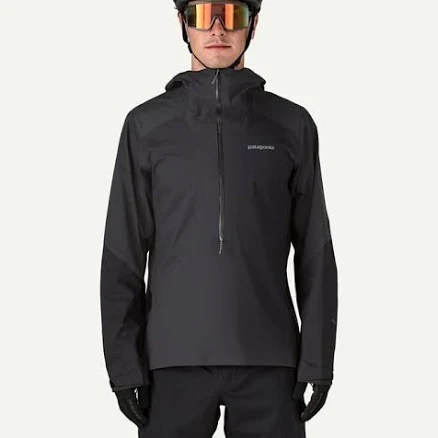
- nylon/polyester with water-repellent coating water treatment
- The brand calls it PFAS-free, which we have not verified
- PFAS
3 hazards checked on this product, all on its full breakdown.
Find an alternative on Amazon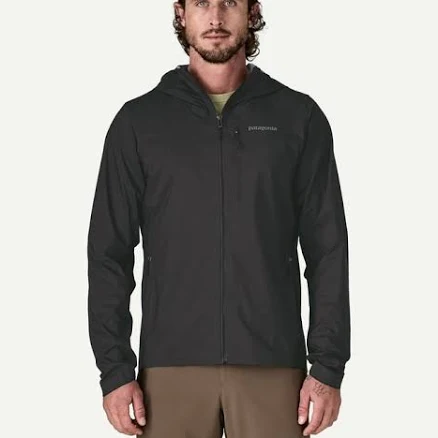
- Nylon with water-repellent coating water-repellent coating finish
- The brand calls it PFAS-free, which we have not verified
- water-repellent coating chemistry opacity (fluorinated vs. non-fluorinated)
3 hazards checked on this product, all on its full breakdown.
Find an alternative on AmazonMore cycling rain jackets grades
How we score, every product runs through the same public 0-100 rubric based on materials, coatings, brand disclosure, lab findings, and recalls. See the full methodology → Spotted a mistake? Report an error.