Specialized · Cycling Rain Jackets
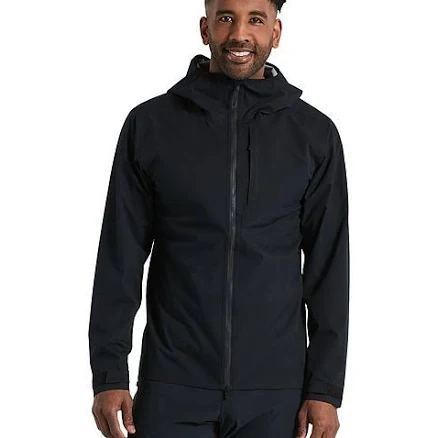
Specialized Men's Trail Rain Jacket
Rain jacket with likely water-repellent coating. Specialized discloses nothing on PFAS.
Specialized's trail rain jacket uses standard polyester with water-repellent treatment, typical of the category but unspecified for PFAS. No public commitment to PFAS-free materials or third-party verification.
Still want this one anyway? Check the price on Amazon. We’d swap it.
Material
polyester with water-repellent coating treatment
Brand disclosure
Brand is silent on PFAS
Lab data
No public lab test
You may also be interested in
Top-graded picks in the categories readers replace first, every one scored on the same rubric.

- polypropylene filter housing, carbon/sediment cartridge
- We found no PFAS statement from the brand
- Bacterial growth in spent cartridges
3 hazards checked on this product, all on its full breakdown.

Aquasure
Premier Series 75 GPD Under Sink Reverse Osmosis Water Filtration System
- RO membrane, carbon filters, stainless steel housing
- We found no PFAS statement from the brand
- Bacterial and microbial growth in housing and filters
4 hazards checked on this product, all on its full breakdown.

Avocado
Vegan Mattress
- organic cotton, natural latex, coconut coir, recycled steel coils
- The brand calls it PFAS-free, which we have not verified
- Heavy metals
2 hazards checked on this product, all on its full breakdown.
What Specialized Men's Trail Rain Jacket is made of, ingredients and materials
This jacket is polyester with a water-repellent coating (water-repellent coating) finish. water-repellent coating coatings historically relied on long-chain PFAS (perfluorinated compounds) to achieve water beading and durability; many brands have migrated to shorter-chain alternatives, but Specialized does not disclose which formulation is used. Polyester itself is stable and does not leach hazardous compounds under normal wear; the risk centers on the water-repellent coating treatment.
What’s concerning
Waterproof / stain-resistant treatment
Water-repellent coating treatments have historically used PFAS.
Category baseline
The starting point for this type of product, before anything specific to this product is counted.
No PFAS disclosure
No public statement from the brand about PFAS in this product.
water-repellent coating degradation and reapplication chemical exposure
Over time, water-repellent coating treatments wear away and consumers often reapply commercial products (aerosols or wash-in treatments). These reapplication products themselves may contain PFAS or volatile solvents; the frequency of reapplication increases cumulative exposure risk. Specialized does not recommend or restrict specific reapplication brands.
Fragrance or chemical sensitivity from water-repellent coating or finishing agents
Some users report mild odor or skin irritation from new jackets, likely from residual water-repellent coating or textile finishing chemicals. No widespread allergy documented, but individuals with chemical sensitivity should wash before first wear and ensure adequate ventilation during drying.
What’s reassuring
Azo dyes
No recall or published testing has flagged azo dyes in Specialized rain jackets. Polyester textiles in this price range routinely use modern compliant dyes; azo restrictions are well-established in the EU and adopted by major brands.
Formaldehyde / VOCs
No documented formaldehyde release issues reported for Specialized jackets. Modern polyester finishes (including water-repellent coating) use minimal formaldehyde; the main concern would apply to cheaper cotton-blend rain garments with permanent-press resins, not pure polyester.
Source, ATSDR ↗Antimony in polyester fiber
Antimony trioxide is a catalyst used in polyester production. Levels in finished garments are negligible and not bioavailable; no dermal absorption risk is documented for wear. This is a theoretical concern during manufacture, not consumer use.
How is this PFAS grade calculated?
The brand's record and disclosure
Specialized has not published a public stance on PFAS use in their textiles or water-repellent coating treatments. No certification bodies (bluesign, OEKO-TEX, GOTS) are claimed on available product pages. The brand does not disclose the specific chemistry of water-repellent coatings. This silence is notable in an industry where competitors increasingly advertise PFAS-free or low-PFAS alternatives.
How it compares in its category
Most rain jackets in the performance segment use water-repellent coating-treated polyester; this is industry standard. Competitors like Patagonia, Arc'teryx, and The North Face now publish PFAS reduction commitments or third-party certifications. Specialized's lack of transparency places this jacket in a middle-of-the-road safety position, not unusually hazardous, but offering no reassurance about emerging chemical concerns. Budget brands often use identical coatings without disclosure either.
If you buy it
Wash separately in cool water and air dry; hot water and machine drying can degrade the water-repellent coating prematurely and potentially accelerate any leaching. Do not dry clean. Reapply water-repellent coating treatments (via commercial aerosol or wash-in products) every 1-2 years as water repellency fades naturally. Handle and wear normally; no special precautions are needed for day-to-day use. If you are pregnant, nursing, or prioritize precautionary avoidance of PFAS, request Specialized's water-repellent coating chemistry in writing before purchase, or choose a brand with published PFAS-free certification.
What is not known about PFAS in this product?
- Basis
- Model estimate, 35% confidence, not a lab result
- Lab test
- None on record for this exact product
- Brand statement
- Specialized has made none
Formulations change between production runs, so check the current label. How we grade.
What are the PFAS-free alternatives to Specialized Men's Trail Rain Jacket?
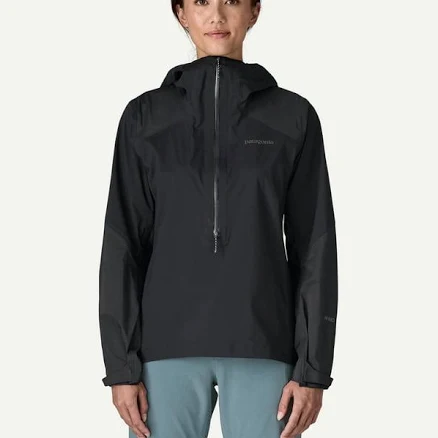
- polyester shell with water-repellent coating finish
- The brand calls it PFAS-free, which we have not verified
- Azo dyes and color fastness
4 hazards checked on this product, all on its full breakdown.
Find an alternative on Amazon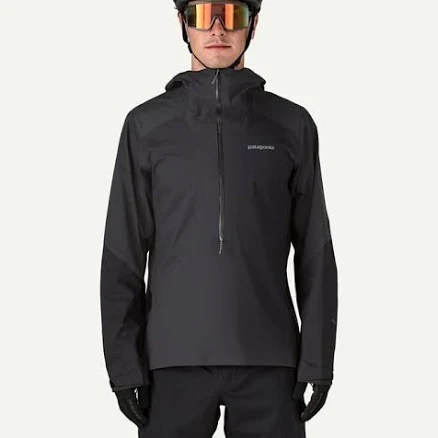
- nylon/polyester with water-repellent coating water treatment
- The brand calls it PFAS-free, which we have not verified
- PFAS
3 hazards checked on this product, all on its full breakdown.
Find an alternative on Amazon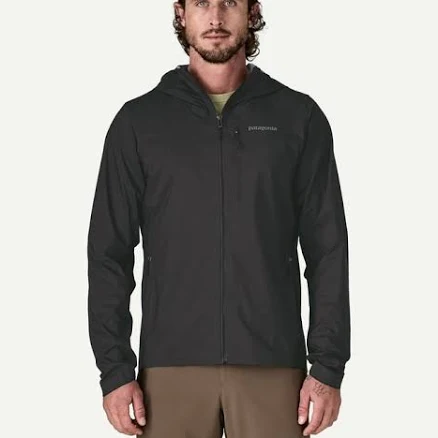
- Nylon with water-repellent coating water-repellent coating finish
- The brand calls it PFAS-free, which we have not verified
- water-repellent coating chemistry opacity (fluorinated vs. non-fluorinated)
3 hazards checked on this product, all on its full breakdown.
Find an alternative on AmazonMore cycling rain jackets grades
How we score, every product runs through the same public 0-100 rubric based on materials, coatings, brand disclosure, lab findings, and recalls. See the full methodology → Spotted a mistake? Report an error.