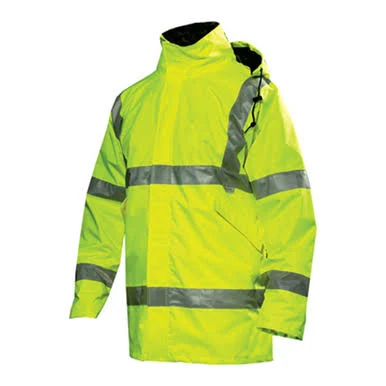
Spiewak S366V VizGuard Mesh-Lined Raincoat
Raincoat with unknown waterproof coating. Skip until Spiewak discloses PFAS status.
Spiewak does not publicly disclose PFAS use or absence in this raincoat's waterproof treatment. Standard water-repellent coating finishes often contain PFAS, but no lab data or brand statement available to confirm.
Still want this one anyway? Check the price on Amazon. We’d swap it.
Material
polyester mesh with water-repellent coating waterproof coating
Brand disclosure
Brand is silent on PFAS
Lab data
No public lab test
You may also be interested in
Top-graded picks in the categories readers replace first, every one scored on the same rubric.

- polypropylene filter housing, carbon/sediment cartridge
- We found no PFAS statement from the brand
- Bacterial growth in spent cartridges
3 hazards checked on this product, all on its full breakdown.

Aquasure
Premier Series 75 GPD Under Sink Reverse Osmosis Water Filtration System
- RO membrane, carbon filters, stainless steel housing
- We found no PFAS statement from the brand
- Bacterial and microbial growth in housing and filters
4 hazards checked on this product, all on its full breakdown.

Avocado
Vegan Mattress
- organic cotton, natural latex, coconut coir, recycled steel coils
- The brand calls it PFAS-free, which we have not verified
- Heavy metals
2 hazards checked on this product, all on its full breakdown.
What Spiewak S366V VizGuard Mesh-Lined Raincoat is made of, ingredients and materials
This raincoat is constructed from polyester mesh lined with a water-repellent coating (water-repellent coating) coating. The polyester base itself is stable and does not leach significant chemicals under normal wear. However, the water-repellent coating finish applied to the fabric is the critical unknown, many rain jackets use fluorinated compounds (PFAS) to achieve water resistance, and Spiewak has not disclosed what chemistry is used here. The mesh construction is breathable, which reduces trapped heat and moisture buildup during wear.
What’s concerning
Waterproof / stain-resistant treatment
Water-repellent coating treatments have historically used PFAS.
Category baseline
The starting point for this type of product, before anything specific to this product is counted.
No PFAS disclosure
No public statement from the brand about PFAS in this product.
Formaldehyde / VOCs
Polyester textiles sometimes receive formaldehyde-based resin treatments for shape-setting or wrinkle resistance. No data on record for this specific Spiewak model, but mesh construction and water-repellent coating application could involve cross-linking resins. Off-gassing is typically minimal in finished garments worn outdoors.
Source, ATSDR ↗Coating degradation and microplastic shedding
As the water-repellent coating ages or wears, microscopic particles may shed from the fabric surface. The extent and composition of this shedding depend on the coating chemistry, which is undisclosed. Repeated washing accelerates breakdown of any surface treatment.
Volatile organic compounds (VOCs) from waterproof coating
Unknown water-repellent coating coatings may off-gas volatile chemicals during initial use or when exposed to heat. Non-fluorinated coatings often have lower VOC profiles, but without disclosure of the specific chemistry, risk cannot be assessed. Airing the garment outdoors before first wear may reduce exposure.
What’s reassuring
Heavy metals
No specific information available regarding dye chemistry or pigment sourcing for this raincoat. Polyester mesh is dyed during production; reputable manufacturers avoid banned azo dyes, but Spiewak has not published dye or pigment standards for this line.
Source, FDA ↗Antimony in polyester fiber or dyes
Antimony is occasionally used as a catalyst in polyester production. No recalls or warnings specific to Spiewak rainwear have been issued, and antimony exposure from wearing the finished garment is considered negligible in standard risk assessments.
How is this PFAS grade calculated?
The brand's record and disclosure
Spiewak is a heritage workwear and outerwear brand with limited public transparency on chemical composition or hazard testing. The company has not published a PFAS policy or disclosed the specific water-repellent coating chemistry used in this model. No recent safety recalls or certifications specific to this product are on record. Without proactive disclosure from the brand, consumers cannot verify what waterproofing agents are present.
How it compares in its category
Most mass-market rain jackets use either fluorinated water-repellent coating (PFAS-containing) or non-fluorinated alternatives like wax or silicone-based coatings. Premium brands increasingly disclose their water-repellent coating choice due to consumer demand. Spiewak's silence on this specification puts it in a less transparent category compared to brands that have committed to PFAS-free or certified sustainable coatings. This ambiguity is a significant disadvantage for informed purchasing.
If you buy it
Machine wash in cool water with minimal detergent to preserve the water-repellent coating longevity. Avoid fabric softeners and high heat drying, which can degrade the water-repellent finish. Do not dry-clean, as solvents may interact unpredictably with an unknown coating chemistry. Inspect the seams and coating annually; once water begins to bead unevenly rather than shedding, the water-repellent coating is degrading and the jacket's protective function declines.
What is not known about PFAS in this product?
- Basis
- Model estimate, 35% confidence, not a lab result
- Lab test
- None on record for this exact product
- Brand statement
- Spiewak has made none
Formulations change between production runs, so check the current label. How we grade.
More rain jackets grades
How we score, every product runs through the same public 0-100 rubric based on materials, coatings, brand disclosure, lab findings, and recalls. See the full methodology → Spotted a mistake? Report an error.