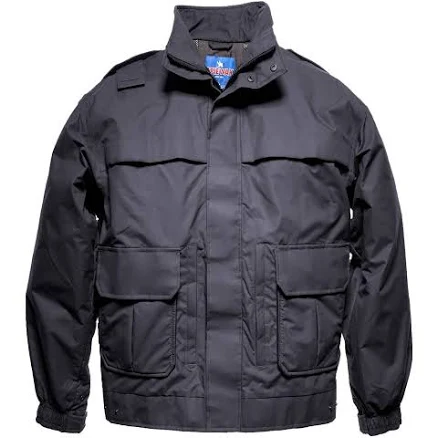
Spiewak WeatherTech Systems AirFlow Duty Jacket
Spiewak duty jackets use water-repellent coating coatings. PFAS status unclear; brand silent.
Spiewak's duty jackets employ water-resistant treatments typical of workwear. No public PFAS disclosure or testing available from the brand.
Still want this one anyway? Check the price on Amazon. We’d swap it.
Material
nylon or polyester with water-repellent coating finish
Brand disclosure
Brand is silent on PFAS
Lab data
No public lab test
You may also be interested in
Top-graded picks in the categories readers replace first, every one scored on the same rubric.

- polypropylene filter housing, carbon/sediment cartridge
- We found no PFAS statement from the brand
- Bacterial growth in spent cartridges
3 hazards checked on this product, all on its full breakdown.

Aquasure
Premier Series 75 GPD Under Sink Reverse Osmosis Water Filtration System
- RO membrane, carbon filters, stainless steel housing
- We found no PFAS statement from the brand
- Bacterial and microbial growth in housing and filters
4 hazards checked on this product, all on its full breakdown.

Avocado
Vegan Mattress
- organic cotton, natural latex, coconut coir, recycled steel coils
- The brand calls it PFAS-free, which we have not verified
- Heavy metals
2 hazards checked on this product, all on its full breakdown.
What Spiewak WeatherTech Systems Duty Jacket is made of, ingredients and materials
Spiewak WeatherTech AirFlow jackets use nylon or polyester base fabrics treated with a water-repellent coating (water-repellent coating) finish to shed rain and stains. The water-repellent coating is the primary durability and performance feature, but its chemical composition (PFAS vs PFAS-free) is not disclosed by the brand. Polyester and nylon themselves are chemically stable when worn, but the finish degrades with washing and wear, potentially releasing micro-particles or unbound coating residues over time.
What’s concerning
Waterproof / stain-resistant treatment
Water-repellent coating treatments have historically used PFAS.
Category baseline
The starting point for this type of product, before anything specific to this product is counted.
No PFAS disclosure
No public statement from the brand about PFAS in this product.
Formaldehyde / VOCs
Some water-repellent coating and wrinkle-resistant finishes historically used formaldehyde-releasing compounds. Spiewak does not disclose finish chemistry; a PFAS-era water-repellent coating may or may not include formaldehyde, but off-gassing risk is minimal in body-worn garments with air circulation.
Source, ATSDR ↗Coating degradation and microrelease
The water-repellent coating finish will degrade with repeated washing and wear, potentially releasing micro-particles or unbound coating residue into washing water and the environment. This is inherent to water-repellent coating-treated garments and not unique to Spiewak, but the chemical composition of residue depends on whether PFAS or PFAS-free chemistry is used.
What’s reassuring
Azo dyes (synthetic colorants)
Polyester and nylon duty jackets typically use standard industrial azo dyes, which are regulated and not currently linked to PFAS concerns when properly fixed. No safety alerts or recalls specific to Spiewak colorants are on record.
Antimony in polyester
Polyester may contain trace antimony from synthesis catalysts. Industry levels are typically below 1 ppm and represent lower concern for exposure from worn clothing; no specific hazard alert exists for Spiewak polyester garments.
Heavy metals
Modern textile dyes are regulated in most markets and lead/cadmium are not typical in standard polyester or nylon apparel. No independent testing or recalls for heavy metals in Spiewak duty wear are publicly documented.
Source, FDA ↗How is this PFAS grade calculated?
The brand's record and disclosure
Spiewak is a heritage workwear brand with a strong reputation in law enforcement and military sectors, but has not published material transparency reports, PFAS commitment statements, or third-party certifications (Bluesign, OEKO-TEX) for their duty wear lines. The brand remains silent on whether their water-repellent coating treatments use legacy PFAS (PFC) or fluorine-free alternatives, which is a material gap for consumers seeking lower-chemical gear. No major recalls or contamination incidents are on public record for this specific product line.
How it compares in its category
Most duty jacket competitors (5.11 Tactical, Propper, Galls) likewise use proprietary water-repellent coating finishes without public disclosure of chemistry. A small number of brands (Patagonia, Arc'teryx) now publish PFAS-free water-repellent coating commitments or use PFC-free alternatives (Paragon, Polartec Alpha), making them more transparent. Spiewak's silence on this issue places it in the middle-to-lower tier for disclosure transparency, though typical polyester or nylon construction is no more hazardous than industry peers.
If you buy it
Wash infrequently at cold temperatures to extend water-repellent coating life and minimize wear; most duty jackets lose water repellency after 20-30 washings. Do not dry-clean or tumble-dry at high heat, as heat accelerates coating breakdown and can release volatile residues. Inspect for peeling, cracking, or beading loss over time; once the water-repellent coating fails, water absorption and mildew risk increase. Consider requesting Spiewak to disclose their water-repellent coating chemistry before committing to a premium-price duty jacket.
What is not known about PFAS in this product?
- Basis
- Model estimate, 45% confidence, not a lab result
- Lab test
- None on record for this exact product
- Brand statement
- Spiewak has made none
Formulations change between production runs, so check the current label. How we grade.
More rain jackets grades
How we score, every product runs through the same public 0-100 rubric based on materials, coatings, brand disclosure, lab findings, and recalls. See the full methodology → Spotted a mistake? Report an error.