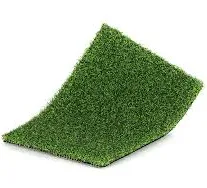
Sport Artificial Turf - NEW!
Wait for brand to disclose infill composition and coating chemicals.
Artificial turf often relies on PFAS-treated infills and coatings for durability and water resistance. The brand offers no chemical disclosure, making PFAS risk assessment impossible.
The better-graded swap
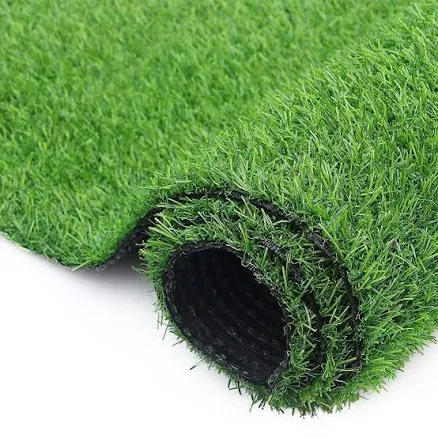
LITA
LITA Greenfield Artificial Grass Turf Cut to Length 0.7in Pile Height Rubber
75/100 safety
Same rubric that flunked this product. The swap earned Excellent.
Still want this one anyway? Check the price on Amazon. We’d swap it.
Material
Synthetic turf fibers, likely polyethylene or polypropylene with unknown infill and coatings
Brand disclosure
Brand is silent on PFAS
Lab data
No public lab test
You may also be interested in
Top-graded picks in the categories readers replace first, every one scored on the same rubric.

- polypropylene filter housing, carbon/sediment cartridge
- We found no PFAS statement from the brand
- Bacterial growth in spent cartridges
3 hazards checked on this product, all on its full breakdown.

Aquasure
Premier Series 75 GPD Under Sink Reverse Osmosis Water Filtration System
- RO membrane, carbon filters, stainless steel housing
- We found no PFAS statement from the brand
- Bacterial and microbial growth in housing and filters
4 hazards checked on this product, all on its full breakdown.

Avocado
Vegan Mattress
- organic cotton, natural latex, coconut coir, recycled steel coils
- The brand calls it PFAS-free, which we have not verified
- Heavy metals
2 hazards checked on this product, all on its full breakdown.
What Sport Artificial Turf - NEW! is made of, ingredients and materials
Sport artificial turf typically consists of polyethylene or polypropylene fibers tufted into a backing (often polypropylene or polyurethane) with an infill layer of rubber crumb, sand, or cork-based materials. The fiber itself is relatively inert, but the infill and any applied coatings (colorants, UV stabilizers, or antimicrobial treatments) are where chemical exposure risk concentrates. The brand has not publicly disclosed whether this product uses virgin or recycled infill, or what additives are present in the fibers or coating.
What’s concerning
Category baseline
The starting point for this type of product, before anything specific to this product is counted.
No PFAS disclosure
No public statement from the brand about PFAS in this product.
Waterproof / stain-resistant treatment
Water-repellent coating treatments have historically used PFAS.
Flame retardants
Synthetic turf backings and some rubber crumb infills may contain brominated or phosphate-based flame retardants to meet fire codes. The brand has not disclosed whether this product is treated; migration into soil or leachate is a concern in wet climates.
Source, EPA ↗Heavy metals
If infill contains recycled tire rubber, zinc and cadmium concentrations can vary widely depending on sourcing and processing. The brand's silence on infill origin means this risk cannot be ruled out or quantified.
Source, FDA ↗Microplastic shedding from fiber degradation
Polyethylene and polypropylene turf fibers degrade under UV exposure and foot traffic, releasing microplastics into soil and water. This is an established risk across the industry; exposure is highest in high-traffic areas and during the product's final years of life.
Leaching of colorants and UV stabilizers
Synthetic dyes and UV absorber additives mixed into fiber or applied as coatings may leach slowly into groundwater, particularly in sandy or permeable soils. No public data on the brand's formulations are available.
What’s reassuring
Volatile organic compound (VOC) off-gassing during installation
New synthetic turf can emit low levels of odor and volatile compounds when first laid, particularly in warm weather. Ventilation during and immediately after installation minimizes inhalation; odor typically dissipates within days to weeks.
How is this PFAS grade calculated?
The brand's record and disclosure
The brand is not widely known for proactive chemical disclosure or third-party certification (e.g., GreenGuard, OEKO-TEX) in the public domain. No documented recalls or safety controversies tied to this specific product line are on record. The brand's silence on infill composition and coating chemistry is the critical gap; responsible turf manufacturers typically disclose heavy metals testing (lead, cadmium in rubber crumb) and flame retardant use.
How it compares in its category
Artificial turf occupies a middle ground between natural grass (no chemical input risk but higher maintenance) and fully certified sports surfaces (which carry third-party testing and often premium pricing). The brand's product lacks transparency typical of premium brands; competitors in the mid-range often publish infill safety data sheets or certifications to address microplastic and heavy-metal concerns. Without disclosure, this product is harder to evaluate than branded alternatives with published test results.
If you buy it
Install on a permeable base to limit water pooling and potential leachate. Maintain regular cleaning with vacuum or stiff brush to minimize microplastic shedding from degrading fibers, especially in high-traffic zones and in direct sun. Avoid installing in areas where young children or pets will consume turf fibers directly (mouths on the surface). Replace the product every 8-10 years or when fibers become visibly matted or shed excessively; end-of-life disposal should follow local recycling guidelines for synthetic polymers.
What is not known about PFAS in this product?
- Basis
- Model estimate, 35% confidence, not a lab result
- Lab test
- None on record for this exact product
- Brand statement
- has made none
Formulations change between production runs, so check the current label. How we grade.
What are the PFAS-free alternatives to Sport Artificial Turf - NEW!?
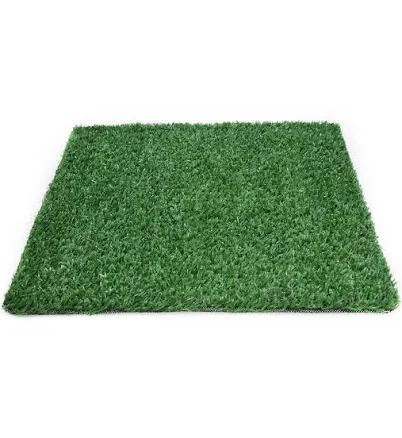
- Polypropylene (PP) astroturf
- We found no PFAS statement from the brand
- VOC off-gassing from polyurethane or latex adhesive
5 hazards checked on this product, all on its full breakdown.
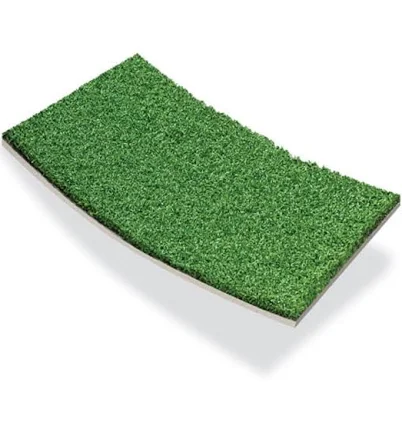
34 Oz Padded Gym Artificial Turf
- polyethylene turf fibers, polypropylene backing
- We found no PFAS statement from the brand
- VOC off-gassing from polyethylene and polypropylene
4 hazards checked on this product, all on its full breakdown.
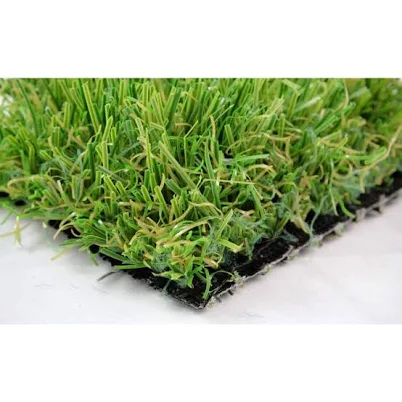
- polyethylene/polypropylene synthetic grass fibers with backing
- We found no PFAS statement from the brand
- Flame retardants
4 hazards checked on this product, all on its full breakdown.
Find an alternative on AmazonMore artificial turf grades
How we score, every product runs through the same public 0-100 rubric based on materials, coatings, brand disclosure, lab findings, and recalls. See the full methodology → Spotted a mistake? Report an error.