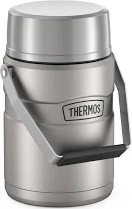
Thermos 47oz Stainless King Vacuum Insulated Food Jar
Lower concern. Stainless steel food jars rarely contain PFAS.
Thermos Stainless King uses 18/8 stainless steel with no known applied coatings or water-repellent treatments. Brand does not disclose PFAS information, but the core material poses lower concern.
We flunk more products than we pass. This one earned its grade. How we grade
Material
stainless steel interior, vacuum-sealed, no disclosed coating
Brand disclosure
Brand is silent on PFAS
Lab data
No public lab test
What Thermos 47oz Stainless King Vacuum is made of, ingredients and materials
The Thermos 47oz Stainless King uses food-grade stainless steel as its interior contact surface, which is corrosion-resistant and does not leach metals into food under normal use. The vacuum-sealed design means no air gap and no need for a polymeric gasket or plastic liner in direct food contact. The lid and closure mechanism typically incorporate plastic or elastomer components (common in this product class), but the primary food contact surface is stainless steel, which avoids the leaching and degradation risks associated with coated cookware or BPA-containing plastics.
What’s concerning
Category baseline
The starting point for this type of product, before anything specific to this product is counted.
No PFAS disclosure
No public statement from the brand about PFAS in this product.
Elastomer and plastic gasket degradation
Silicone or rubber gaskets in the lid and seal can soften, discolor, or break down over time with repeated washing, heat exposure, and contact with acidic foods or beverages. This is a wear mechanism rather than a chemical hazard, but degraded gaskets may compromise the vacuum seal or shed particulates.
Thermal stress or material failure at extreme temperatures
Repeated exposure to boiling or near-boiling liquids (above 160, 180°F) can theoretically stress the vacuum seal and gasket materials over months of use, though this is normal wear rather than a chemical safety issue.
Lid and closure component material transparency
Thermos does not publicly disclose the exact plastic resin, additives, or manufacturing specifications for the lid, gasket, and internal spring mechanisms. If the lid contains BPA, BPS, or phthalates, contact with hot beverages could increase migration, but no testing or label warnings on record specify these materials.
What’s reassuring
Base material not linked to PFAS
The main material recorded for this product is not one associated with PFAS.
Stainless steel leaching (nickel, chromium)
Food-grade stainless steel is formulated to resist corrosion and leaching under normal food storage. No recalls or testing evidence on record for nickel or chromium migration from Thermos Stainless King jars into food or beverages at typical serving temperatures.
Coating or lining defects (interior)
The advertised stainless steel interior has no disclosed coating, enamel, or liner, so the typical hazards of chipped coatings or lead-cadmium in ceramic glazes do not apply to this specific product.
The full breakdown
The brand's record and disclosure
Thermos (Newell Brands) does not publicly disclose detailed safety certifications, material sourcing, or independent testing results for this specific model. The brand has not faced major food-safety recalls tied to leaching or chemical migration in its stainless steel container lines in recent public record. No known formal stance or transparency initiative on PFAS, heavy metals, or manufacturing practices is documented for consumer-facing marketing.
How it compares in its category
Stainless steel insulated food jars are among the lower-risk options in food storage because they avoid polymeric coatings, enamels, and glass liners that may degrade or leach. This product is representative of mainstream mid-range vacuum insulated containers and sits between budget plastic alternatives (which carry BPA and phthalate risks) and premium brand options with identical material composition but higher price. The 47oz size and wide-mouth opening are standard for this segment and do not introduce unusual hazard exposure.
If you buy it
Hand wash the interior with mild soap and water; avoid abrasive scrubbers that may pit or scratch the stainless steel. Do not fill with beverages or foods above 160°F (71°C) as excessive heat can affect the vacuum seal and lid gasket over time. Inspect the rubber or silicone gasket on the lid annually for degradation, discoloration, or cracks; replace if visible wear occurs. The stainless steel itself is durable, but the closure mechanism is the wear point; if the container stops holding temperature effectively, the gasket is likely due for replacement rather than the jar itself.
What we don’t know
- Basis
- Model estimate, 78% confidence, not a lab result
- Lab test
- None on record for this exact product
- Brand statement
- Stainless King has made none
Formulations change between production runs, so check the current label. How we grade.
Better-graded alternatives in Lunch Boxes
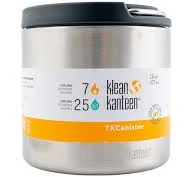
Klean Kanteen
Double Wall Vacuum Insulated Stainless Steel Food Canister Container with Leak Proof Lid
- Stainless steel body, silicone gasket lid seal
- The brand calls it PFAS-free, which we have not verified
- Silicone gasket degradation
3 hazards checked on this product. See all of them.
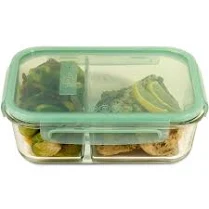
Snapware
Meal Box Glass
- borosilicate glass
- We found no PFAS statement from the brand
- Leaching from glass matrix or lid seals
2 hazards checked on this product. See all of them.
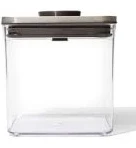
OXO
Steel Pop Big Square Short - 2.8 Qt/2.6 l
- Stainless steel container, no surface treatment
- Lid/gasket polymer leaching
3 hazards checked on this product. See all of them.
More lunch boxes grades
How we score, every product runs through the same public 0-100 rubric based on materials, coatings, brand disclosure, lab findings, and recalls. See the full methodology → Spotted a mistake? Report an error.