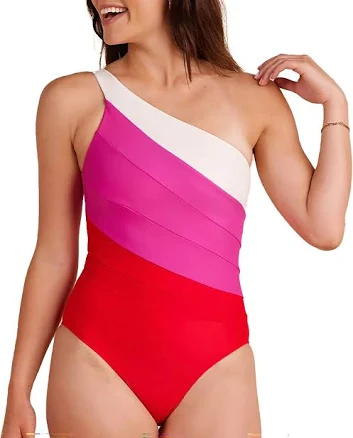
Summersalt Women's Sidestroke One Piece Swimsuit
Moderate PFAS concern from likely water-repellent coating treatment; no brand transparency available.
This nylon blend swimsuit likely gets water-repellent finishing typical of performance swimwear, historically treated with PFAS-based water-repellent coating coatings. Summersalt makes no disclosure on PFAS use or testing.
The better-graded swap
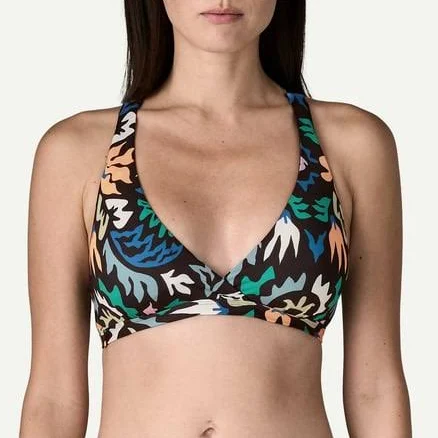
Patagonia
Patagonia Women's Bottom Turn Racerback Bikini Top
90/100 safety
Same rubric that flunked this product. The swap earned Excellent.
Still want this one anyway? Check the price on Amazon. We’d swap it.
Material
Nylon blend with water-repellent coating (water-repellent coating) finish
Brand disclosure
Brand is silent on PFAS
Lab data
No public lab test
What Summersalt Women's Sidestroke One Piece is made of, ingredients and materials
This swimsuit is constructed from nylon blended with elastane (spandex), a common high-stretch base for swimwear. The fabric has been treated with a water-repellent coating (water-repellent coating) finish to shed water and extend wear life. water-repellent coating finishes have historically relied on perfluorinated compounds (PFAS) to function, though some manufacturers now use alternative chemistries; Summersalt has not disclosed which treatment was used here. Nylon itself is stable and does not leach monomers or plasticizers under normal wear, but the applied water-repellent coating layer is the primary chemical concern.
What’s concerning
Category baseline
The starting point for this type of product, before anything specific to this product is counted.
No PFAS disclosure
No public statement from the brand about PFAS in this product.
Waterproof / stain-resistant treatment
Water-repellent coating treatments have historically used PFAS.
Formaldehyde / VOCs
Some water-repellent coating and elastane-stabilizing treatments historically included formaldehyde-releasing resins, though modern formulations often avoid this. Summersalt has not disclosed finish chemistry, so presence cannot be ruled out but is not established as reported.
Source, ATSDR ↗Elastane (spandex) degradation and microfiber shedding
All nylon/elastane swimwear sheds microfibers into water with wear and washing. This is a material-class issue, not specific to Summersalt, but relevant to aquatic environment impact over product lifetime.
water-repellent coating degradation and leaching
As water-repellent coating finishes wear away (typically after 20-40 washes), microscopic coating particles and residual chemical residues may leach into rinse water. Without chemistry disclosure, extent and composition of this leaching cannot be quantified for this specific product.
What’s reassuring
Azo dyes in synthetic fabrics
No documented recalls or test failures for azo dye contamination in Summersalt swimwear. Nylon dyes are typically low-risk if produced to standard textile regulations, though brand does not disclose dye supplier or testing.
Antimony in synthetic fibers
Antimony is used as a catalyst in some polyester production but is not typical in nylon fiber manufacture. No evidence of antimony contamination in Summersalt swimwear; hazard is low for this material type.
The full breakdown
The brand's record and disclosure
Summersalt is a swim-focused direct-to-consumer brand but has not publicly disclosed water-repellent coating chemistry, testing results, or commitments to PFAS reduction on this product. No recalls or documented health incidents are on record for this specific style. The brand does not appear to hold third-party certifications (such as GOTS or bluesign) that would indicate independent verification of chemical inputs. This silence on treatment chemicals is the most substantive transparency gap.
How it compares in its category
Most conventional nylon swimwear carries similar water-repellent coating treatment risk; this product is typical rather than exceptional. Brands like Patagonia and Girlfriend Collective have publicly committed to phasing out long-chain PFAS in swimwear, though Summersalt has not made comparable statements. Budget alternatives (e.g., Amazon Essentials) rarely disclose water-repellent coating chemistry either, so Summersalt sits in the middle of an industry-wide transparency problem rather than standing out as worse.
If you buy it
Rinse the swimsuit in cool freshwater after each wear to remove chlorine and salt, which can degrade the water-repellent coating finish and elastane fibers over time. Avoid hot water, machine drying, and prolonged sun exposure, as heat and UV break down nylon elasticity and can accelerate any chemical leaching from coatings. Replace the suit every 1-2 years of regular use (roughly 50-80 wears), as elastane degrades with UV and chlorine regardless of other factors. Do not request a return to Summersalt for water-repellent coating chemistry clarification, as they have not engaged publicly on this question.
What we don’t know
- Basis
- Model estimate, 42% confidence, not a lab result
- Lab test
- None on record for this exact product
- Brand statement
- Summersalt has made none
Formulations change between production runs, so check the current label. How we grade.
Better-graded alternatives in Swimwear
Patagonia
Women's Bottom Turn Racerback Bikini Top
- Nylon/polyester blend with elastane (standard swimwear)
- The brand calls it PFAS-free, which we have not verified
- Elastane (spandex) degradation under heat or chlorine
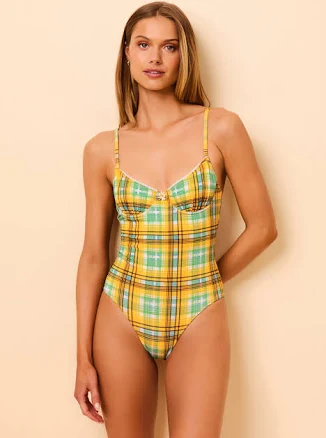
Solid & Striped
Taylor One Piece Seersucker Plaid
- Cotton/cotton-blend seersucker plaid
- We found no PFAS statement from the brand
- Azo dyes and colorfast stability
2 hazards checked on this product. See all of them.
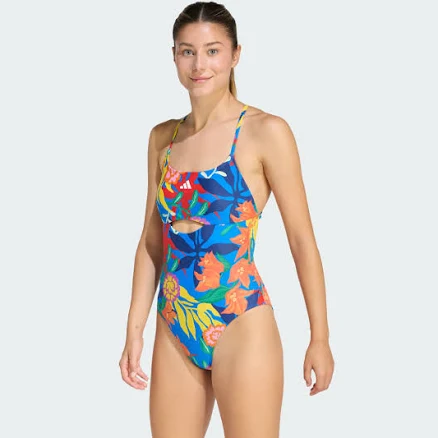
Adidas
Women's Mexicana Florals Tie-Back Swimsuit
- Polyester/nylon swimsuit fabric, likely uncoated or standard finish
- Azo dyes and synthetic colorants
4 hazards checked on this product. See all of them.
More swimwear grades
How we score, every product runs through the same public 0-100 rubric based on materials, coatings, brand disclosure, lab findings, and recalls. See the full methodology → Spotted a mistake? Report an error.