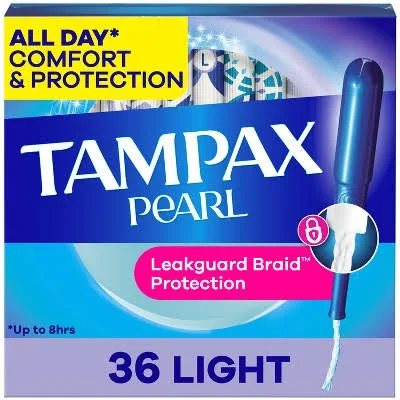
Tampax Pearl Tampons
Lower concern. Standard tampon materials lack typical PFAS sources.
Tampax Pearl uses rayon, cotton, and polyester, materials with no known PFAS application. No brand disclosure on PFAS; no independent lab testing found. Risk profile is lower than non-stick cookware or waterproof apparel.
We flunk more products than we pass. This one earned its grade. How we grade
Material
rayon, cotton, polyester core
Brand disclosure
Brand is silent on PFAS
Lab data
No public lab test
You may also be interested in
Top-graded picks in the categories readers replace first, every one scored on the same rubric.

Aqua Pure
3M Aqua-Pure AP802B Whole House Filter Housing
- polypropylene filter housing, carbon/sediment cartridge
- We found no PFAS statement from the brand
- Bacterial growth in spent cartridges
3 hazards checked on this product. See all of them.

Aquasure
Premier Series 75 GPD Under Sink Reverse Osmosis Water Filtration System
- RO membrane, carbon filters, stainless steel housing
- We found no PFAS statement from the brand
- Bacterial and microbial growth in housing and filters
4 hazards checked on this product. See all of them.

Avocado
Vegan Mattress
- organic cotton, natural latex, coconut coir, recycled steel coils
- The brand calls it PFAS-free, which we have not verified
- Heavy metals
2 hazards checked on this product. See all of them.
What Tampax Pearl Tampons is made of, ingredients and materials
Tampax Pearl tampons use a blend of rayon and cotton for the absorbent core, with a polyester applicator. Rayon is a regenerated cellulose fiber that absorbs menstrual fluid efficiently; cotton provides structure and adds natural fiber content. The polyester applicator is inert plastic that poses no known leaching risk during brief vaginal contact. This material combination is standard across most commercial tampons and has been in use for decades without documented systemic toxicity from the fibers themselves.
What’s concerning
Category baseline
The starting point for this type of product, before anything specific to this product is counted.
No PFAS disclosure
No public statement from the brand about PFAS in this product.
Pesticide residue
Tampax Pearl does not specify organic cotton sourcing. Conventional cotton may carry traces of pesticide residues; exposure via vaginal absorption is not established as a clinical risk at residual levels, but certification-free products offer no verification of pesticide limits.
Source, EPA ↗Bacterial overgrowth and Toxic Shock Syndrome (TSS) risk
TSS is a documented but rare risk with all tampons, linked to prolonged use and bacterial proliferation, not material composition. Tampax Pearl carries no elevated TSS profile compared to other rayon-cotton blends. Risk is mitigated by adherence to recommended change schedules (every 4-8 hours).
Fragrance or deodorant additives (if present)
Tampax Pearl does not market a scented or deodorant variant as a primary offering, but some lines include these. Fragrance compounds and antimicrobial agents in period-care products can trigger contact dermatitis or irritation in sensitive users; check package labeling for additives beyond the core fiber blend.
What’s reassuring
Base material not linked to PFAS
The main material recorded for this product is not one associated with PFAS.
Rayon manufacturing byproducts (sodium hydroxide, carbon disulfide)
Rayon is produced via chemical processing; finished fiber residues are not documented as a hazard in tampons. Manufacturing facilities are regulated for worker safety, but consumer-facing residual chemical risk from the finished tampon is not established in available literature.
Bleach residues (if used in whitening)
Many commercial tampons are whitened using chlorine; Tampax Pearl does not disclose whitening methods. Residual chlorine exposure via vaginal mucosa is not established as a clinical concern, but this remains a non-transparent aspect of production.
The full breakdown
The brand's record and disclosure
Tampax (Procter and Gamble subsidiary) does not publicly disclose detailed chemical composition or third-party testing results for tampon materials, which is typical for the period-care industry. The brand has faced historical pressure on ingredient transparency but has not issued major recalls for chemical contamination. No established safety controversies or certifications (organic, toxicology-verified) are associated with Tampax Pearl specifically. Disclosure remains limited compared to some niche period-care brands that publish full material sourcing.
How it compares in its category
Tampax Pearl sits in the mainstream commercial segment alongside Kotex and Playtex. It does not hold organic certification (which would restrict pesticide residues in cotton) or sustainability certifications. Period-care products are loosely regulated by the FDA as Class II medical devices, but composition transparency is not mandated. Compared to certified organic or 100% cotton alternatives, Tampax Pearl offers lower cost and wider availability, with trade-offs in material verification and environmental impact.
If you buy it
Use as directed on the package; there are no special storage or heat precautions for tampons. Change every 4-8 hours to reduce bacterial overgrowth risk (not specific to this brand). If you experience unusual irritation, spotting, or allergic symptoms, discontinue and consult a healthcare provider; individual sensitivity to rayon or polyester is rare but possible. Store in a dry location away from excessive heat or moisture, which is standard for all absorbent products.
What we don’t know
- Basis
- Model estimate, 72% confidence, not a lab result
- Lab test
- None on record for this exact product
- Brand statement
- Tampax Pearl has made none
Formulations change between production runs, so check the current label. How we grade.
Better-graded alternatives in Period Pads
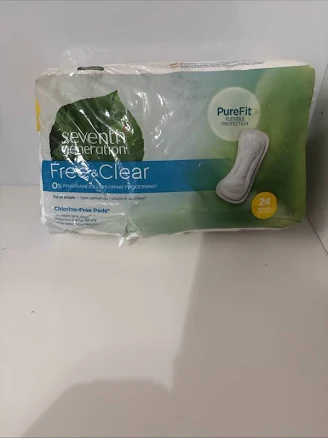
Seventh Generation
Chlorine Free Maxi Pads
- organic cotton, wood pulp
- The brand calls it PFAS-free, which we have not verified
- Fragrance allergen content
More period pads grades
How we score, every product runs through the same public 0-100 rubric based on materials, coatings, brand disclosure, lab findings, and recalls. See the full methodology → Spotted a mistake? Report an error.