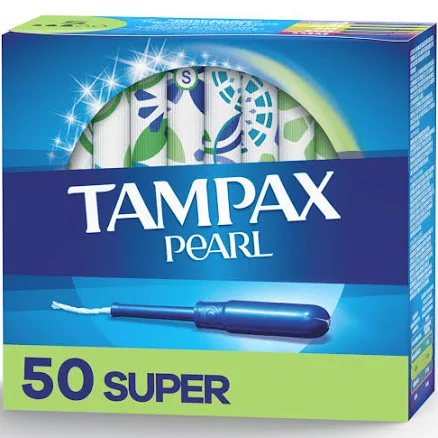
Tampax Pearl Tampons Super
Cotton core with undisclosed plastic applicator chemistry creates modest concern.
The cotton core in Tampax Pearl Super is not a material linked to PFAS. The plastic applicator composition is not stated by the brand, leaving its finish coatings unknown. No lab testing or PFAS certification is on record for this product.
We flunk more products than we pass. This one earned its grade. How we grade
Material
cotton core, rayon/plastic applicator
Brand disclosure
Brand is silent on PFAS
Lab data
No public lab test
You may also be interested in
Top-graded picks in the categories readers replace first, every one scored on the same rubric.

Aqua Pure
3M Aqua-Pure AP802B Whole House Filter Housing
- polypropylene filter housing, carbon/sediment cartridge
- We found no PFAS statement from the brand
- Bacterial growth in spent cartridges
3 hazards checked on this product. See all of them.

Aquasure
Premier Series 75 GPD Under Sink Reverse Osmosis Water Filtration System
- RO membrane, carbon filters, stainless steel housing
- We found no PFAS statement from the brand
- Bacterial and microbial growth in housing and filters
4 hazards checked on this product. See all of them.

Avocado
Vegan Mattress
- organic cotton, natural latex, coconut coir, recycled steel coils
- The brand calls it PFAS-free, which we have not verified
- Heavy metals
2 hazards checked on this product. See all of them.
What Tampax Pearl Tampons Super is made of, ingredients and materials
Tampax Pearl Super uses a cotton core (the absorbent part) paired with a plastic applicator, typically polypropylene or similar. The cotton core is generally recognized as a lower-risk material for internal use because it is a natural fiber with minimal chemical processing compared to synthetic alternatives. The plastic applicator poses the main material concern, its specific resin type and any coatings or plasticizers are not publicly detailed by Tampax, making full chemical assessment difficult.
What’s concerning
Category baseline
The starting point for this type of product, before anything specific to this product is counted.
No PFAS disclosure
No public statement from the brand about PFAS in this product.
Dioxins and dioxin-like compounds (bleaching residues)
Conventional cotton tampons are typically bleached using chlorine-based processes, which can leave trace dioxin residues. Tampax does not specify whether Pearl Super uses elemental chlorine-free (ECF) or totally chlorine-free (TCF) bleaching; no independent testing of dioxin levels in this product is on public record.
Plastic applicator composition and leachables
The applicator plastic type is not disclosed. If polypropylene, leaching risk is generally low; if older or coated plastics are used, phthalates or BPA-like compounds are theoretically possible but unconfirmed. No recall or complaint pattern specific to applicator leaching has been documented for Tampax Pearl.
Pesticide residue
Tampax Pearl does not specify organic or pesticide-free cotton sourcing. Conventional cotton is heavily treated with pesticides; residues may be present but typically at regulated levels in finished products sold in the US. No independent testing of pesticide levels in this specific product is publicly available.
Source, EPA ↗What’s reassuring
Base material not linked to PFAS
The main material recorded for this product is not one associated with PFAS.
Absorbency powder or additives
Tampax Pearl does not list absorbency-enhancing powders (such as carboxymethyl cellulose) in commonly available product information, and no safety complaints tied to powder residue are on record for this brand.
Fragrance or scent additives
Tampax Pearl Super is not marketed as scented and fragrance is not listed in available ingredient disclosures. Unscented formulations eliminate risk of fragrance allergens or irritation.
The full breakdown
The brand's record and disclosure
Tampax does not publicly disclose detailed ingredient lists, material certifications, or third-party testing results for chemical contaminants. The brand has faced periodic criticism from menstrual-product advocates regarding transparency but has not faced major regulatory action or product recalls for chemical hazards in recent years. No formal certifications (organic, hypoallergenic, or toxicant-free) are claimed for this product line.
How it compares in its category
Tampax Pearl ranks mid-range in the commercial tampon market for transparency and material specification. Competitors like Seventh Generation and Cora explicitly market organic cotton and disclose applicator materials, while mass-market brands like Kotex and U by Kotex occupy similar opacity levels. The plastic applicator is standard industry practice but increasingly questioned by consumers seeking cardboard or no-applicator alternatives.
If you buy it
Use as directed and replace every 4-8 hours to prevent toxic shock syndrome risk, regardless of chemical profile. Store in a cool, dry place; prolonged heat exposure is not a typical concern for this product. If you experience irritation, switching to unbleached or organic-cotton alternatives may help, though no ingredient-specific irritant has been established for Tampax Pearl. Dispose of applicators in trash, not plumbing, to avoid environmental accumulation of plastic.
What we don’t know
- Basis
- Model estimate, 72% confidence, not a lab result
- Lab test
- None on record for this exact product
- Brand statement
- Tampax Pearl has made none
Formulations change between production runs, so check the current label. How we grade.
Better-graded alternatives in Period Pads
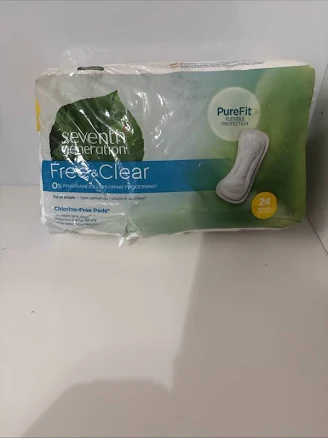
Seventh Generation
Chlorine Free Maxi Pads
- organic cotton, wood pulp
- The brand calls it PFAS-free, which we have not verified
- Fragrance allergen content
More period pads grades
How we score, every product runs through the same public 0-100 rubric based on materials, coatings, brand disclosure, lab findings, and recalls. See the full methodology → Spotted a mistake? Report an error.