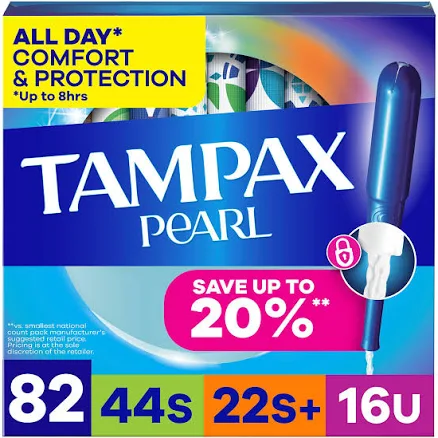
Tampax Pearl Tampons Trio Pack
Lower concern. Silent on PFAS, but core materials are inherently low-risk.
Tampax Pearl tampons use rayon and plastic components with no known PFAS treatment or public disclosure. No lab data available, but inherent materials suggest lower PFAS risk than treated apparel or nonstick cookware.
We flunk more products than we pass. This one earned its grade. How we grade
Material
rayon/viscose core, plastic applicator
Brand disclosure
Brand is silent on PFAS
Lab data
No public lab test
You may also be interested in
Top-graded picks in the categories readers replace first, every one scored on the same rubric.

Aqua Pure
3M Aqua-Pure AP802B Whole House Filter Housing
- polypropylene filter housing, carbon/sediment cartridge
- We found no PFAS statement from the brand
- Bacterial growth in spent cartridges
3 hazards checked on this product. See all of them.

Aquasure
Premier Series 75 GPD Under Sink Reverse Osmosis Water Filtration System
- RO membrane, carbon filters, stainless steel housing
- We found no PFAS statement from the brand
- Bacterial and microbial growth in housing and filters
4 hazards checked on this product. See all of them.

Avocado
Vegan Mattress
- organic cotton, natural latex, coconut coir, recycled steel coils
- The brand calls it PFAS-free, which we have not verified
- Heavy metals
2 hazards checked on this product. See all of them.
What Tampax Pearl Tampons Trio Pack is made of, ingredients and materials
Tampax Pearl uses a rayon/viscose absorbent core (bleached cellulose fiber) and a plastic applicator, typically polypropylene or polyethylene. Rayon is a regenerated cellulose fiber with no known leaching or toxicity hazards in the vaginal environment at typical use durations (4-8 hours). The plastic applicator is a single-use, non-heated component with minimal contact time and no reported migration of concerning chemicals.
What’s concerning
Category baseline
The starting point for this type of product, before anything specific to this product is counted.
No PFAS disclosure
No public statement from the brand about PFAS in this product.
Bacterial growth and toxic shock syndrome (TSS)
TSS risk is associated with prolonged tampon insertion (>8 hours), not material chemistry. All tampons carry this risk; it is behavioral and use-duration dependent, not product-specific.
Vaginal irritation or allergic sensitization
Rayon and plastic applicators are generally well tolerated; individual sensitivity to synthetic fibers or residual processing chemicals is rare but possible. No systematic adverse event signal in this product line.
What’s reassuring
Base material not linked to PFAS
The main material recorded for this product is not one associated with PFAS.
Bleaching residue (chlorine/dioxin)
Historically a concern in tampon manufacturing; Tampax has moved to elemental chlorine-free (ECF) or oxygen-based bleaching. No current regulatory or documented contamination findings in finished product.
Microplastic release from plastic applicator
Applicator is rigid polypropylene or polyethylene, not designed to fragment or shed during normal use. No documented evidence of microplastic shedding in published literature for this product category.
Heavy metals
Rayon and standard plastics used in tampons are not typical repositories for heavy metals. No recalls or test findings on record for Tampax Pearl.
Source, FDA ↗The full breakdown
The brand's record and disclosure
Tampax (Procter and Gamble subsidiary) does not publicly disclose detailed material safety testing or third-party certifications for this product. The brand has faced historical criticism around transparency on chlorine use in bleaching (now largely phased out industry-wide) but has not faced major product recalls or regulatory enforcement actions related to chemical safety. No established pattern of undisclosed contamination or ingredient controversies in recent years.
How it compares in its category
Rayon-core tampons are standard across mass-market brands and carry similar safety profiles to competing products (Kotex, Playtex, store brands). Some consumers prefer 100 percent cotton or organic alternatives if concerned about bleaching residue or synthetic materials, though no peer-reviewed evidence shows superiority. Tampax Pearl sits in the conventional middle ground, widely used, no systematic safety signal, but limited third-party testing transparency compared to niche organic brands.
If you buy it
Follow the FDA guidance to change tampons every 4-8 hours to minimize bacterial overgrowth risk and toxic shock syndrome (TSS) risk, which is tied to duration of insertion, not material choice. Inspect the applicator for cracks before use and discard if damaged. No special storage or heat precautions are needed. Discontinue if you experience irritation or unusual discharge and consult a healthcare provider.
What we don’t know
- Basis
- Model estimate, 72% confidence, not a lab result
- Lab test
- None on record for this exact product
- Brand statement
- Tampax Pearl has made none
Formulations change between production runs, so check the current label. How we grade.
Better-graded alternatives in Period Pads
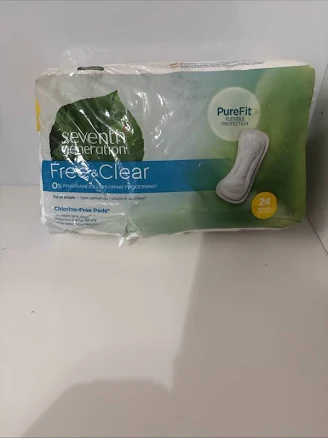
Seventh Generation
Chlorine Free Maxi Pads
- organic cotton, wood pulp
- The brand calls it PFAS-free, which we have not verified
- Fragrance allergen content
More period pads grades
How we score, every product runs through the same public 0-100 rubric based on materials, coatings, brand disclosure, lab findings, and recalls. See the full methodology → Spotted a mistake? Report an error.