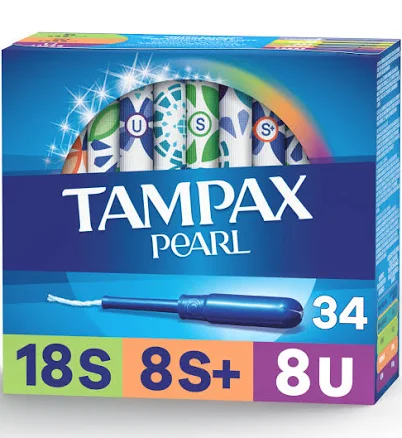
Tampax Pearl Super Plus Tampons
Lower concern. Cotton-like materials without water/stain treatments.
Tampax Pearl uses rayon, polyester, and cardboard with no known water-resistant or grease-resistant coatings. Brand discloses no PFAS stance; inherent materials carry lower risk.
We flunk more products than we pass. This one earned its grade. How we grade
Material
rayon/viscose, polyester, cardboard applicator
Lab data
No public lab test
You may also be interested in
Top-graded picks in the categories readers replace first, every one scored on the same rubric.

- polypropylene filter housing, carbon/sediment cartridge
- We found no PFAS statement from the brand
- Bacterial growth in spent cartridges
3 hazards checked on this product, all on its full breakdown.

Aquasure
Premier Series 75 GPD Under Sink Reverse Osmosis Water Filtration System
- RO membrane, carbon filters, stainless steel housing
- We found no PFAS statement from the brand
- Bacterial and microbial growth in housing and filters
4 hazards checked on this product, all on its full breakdown.

Avocado
Vegan Mattress
- organic cotton, natural latex, coconut coir, recycled steel coils
- The brand calls it PFAS-free, which we have not verified
- Heavy metals
2 hazards checked on this product, all on its full breakdown.
What Tampax Pearl Super Plus Tampons is made of, ingredients and materials
Tampax Pearl Super Plus uses rayon (viscose) as the primary absorbent material, combined with polyester in the core structure, housed in a plastic applicator with cardboard overwrap. Rayon is a regenerated cellulose fiber that absorbs menstrual fluid efficiently but offers no inherent toxicity advantage or disadvantage over cotton. The polyester reinforcement and plastic applicator are chemically inert during normal use; neither typically leaches into the body under standard conditions. Cardboard applicators degrade post-use and pose no chemical exposure risk.
What’s concerning
Category baseline
The starting point for this type of product, before anything specific to this product is counted.
No PFAS disclosure
No public statement from the brand about PFAS in this product.
Polyester microfiber shedding
Polyester core reinforcement could theoretically shed microfibers during insertion or removal, though no quantified data exists for Tampax or similar products. Vaginal insertion of any synthetic material carries theoretical microplastic exposure, but clinical significance remains unstudied in peer review.
Allergic sensitization or irritation
Individual sensitivity to rayon, polyester, or processing residues is rare but documented anecdotally across the tampon category; allergic contact dermatitis or irritation is more common in individuals with vaginal sensitivity or prior reactions to synthetic fibers. Tampax does not label allergen warnings beyond standard TSS caution.
What’s reassuring
Base material not linked to PFAS
The main material recorded for this product is not one associated with PFAS.
Rayon sourcing and bleaching residues
Rayon is produced via viscose process, which involves sodium hydroxide and carbon disulfide; finished rayon fibers are typically washed thoroughly to remove processing chemicals. No published reports of bleach or processing chemical contamination in Tampax tampons; industry standard assumes residues are below detection or safety thresholds.
Plastic applicator leachables
Tampax Pearl applicators are typically polypropylene or similar commodity plastic, which is chemically stable at body temperature and does not leach known endocrine disruptors during brief contact. No recalls or adverse-event reports link applicator material to chemical exposure in this product line.
Dyes or colorants in wrapper/applicator
Plastic applicators and cardboard wrapping may contain pigments or dyes, but these do not contact menstrual blood or vaginal tissue directly. No established hazard from external cosmetic colorants on tampon packaging.
How is this PFAS grade calculated?
The brand's record and disclosure
Tampax (Procter & Gamble subsidiary) does not publicly disclose detailed material sourcing or third-party safety testing results for its tampon lines, which is standard industry practice for this category. The brand has faced periodic social-media scrutiny over ingredient transparency but no regulatory violations or recalls specific to chemical contamination have been established. P&G maintains general product safety statements but does not pursue certifications like organic or GOTS. Tampax has not publicly addressed PFAS use or avoidance in tampon manufacturing.
How it compares in its category
Tampax Pearl is a mainstream, mass-market tampon with material composition typical of non-organic competitors (Kotex, Playtex). It sits between budget conventional tampons and premium organic/all-cotton brands that command price premiums and explicit chemical-free marketing. Rayon-based construction is standard across 60-70% of the US tampon market. The plastic applicator is more common than cardboard-only or applicator-free alternatives, though increasingly consumers cite preference for non-plastic options.
If you buy it
Follow standard tampon use, replace every 4-8 hours to reduce TSS (toxic shock syndrome) risk; do not leave in place longer than recommended absorbency level. The plastic applicator is single-use and should not be reused or heated. Store in a cool, dry place away from direct sunlight; moisture exposure can degrade the cardboard wrap but does not pose a safety hazard. Discontinue use and consult a healthcare provider if vaginal irritation, allergic reaction, or unusual symptoms occur.
What is not known about PFAS in this product?
- Basis
- Model estimate, 72% confidence, not a lab result
- Lab test
- None on record for this exact product
- Brand statement
- Tampax has made a specific claim
Formulations change between production runs, so check the current label. How we grade.
What are the PFAS-free alternatives to Tampax Pearl Super Plus Tampons?
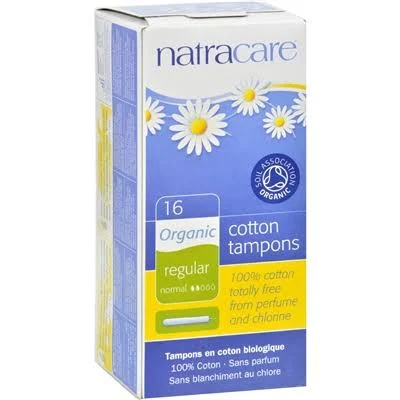
- 100% organic cotton
- A third party reports verifying it as PFAS-free
- Heavy metals
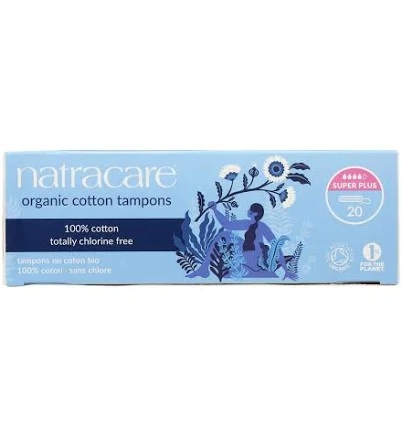
Natracare
Organic Super Plus Tampons, 3 x 20 ct
- organic cotton, cardboard applicator
- The brand calls it PFAS-free, which we have not verified
- Dioxins from bleaching
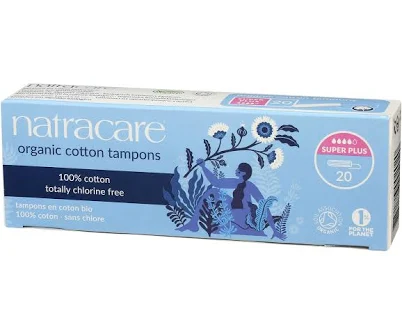
Natracare
Organic Cotton Super Plus Tampons
- organic cotton, no added fluorochemicals
- The brand calls it PFAS-free, which we have not verified
- Verified PFAS-free by a third party
More tampons grades
How we score, every product runs through the same public 0-100 rubric based on materials, coatings, brand disclosure, lab findings, and recalls. See the full methodology → Spotted a mistake? Report an error.