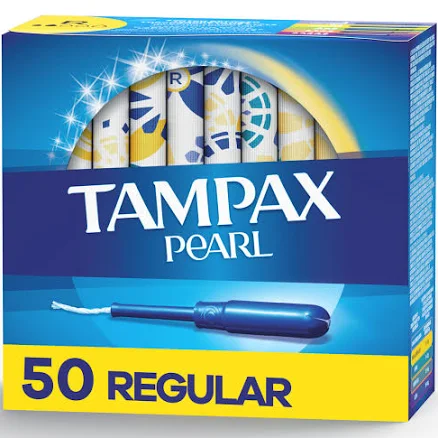
TAMPAX Pearl Tampons
Lower PFAS concern. No evidence of intentional PFAS use.
Tampax Pearl uses cotton and rayon fibers with plastic applicator; no reported PFAS treatment or disclosure. Standard period-care products lack the water-resistance or nonstick needs that drive PFAS use in cookware or apparel.
We flunk more products than we pass. This one earned its grade. How we grade
Material
cotton, rayon, plastic applicator
Lab data
No public lab test
You may also be interested in
Top-graded picks in the categories readers replace first, every one scored on the same rubric.

- polypropylene filter housing, carbon/sediment cartridge
- We found no PFAS statement from the brand
- Bacterial growth in spent cartridges
3 hazards checked on this product, all on its full breakdown.

Aquasure
Premier Series 75 GPD Under Sink Reverse Osmosis Water Filtration System
- RO membrane, carbon filters, stainless steel housing
- We found no PFAS statement from the brand
- Bacterial and microbial growth in housing and filters
4 hazards checked on this product, all on its full breakdown.

Avocado
Vegan Mattress
- organic cotton, natural latex, coconut coir, recycled steel coils
- The brand calls it PFAS-free, which we have not verified
- Heavy metals
2 hazards checked on this product, all on its full breakdown.
What TAMPAX Pearl Tampons is made of, ingredients and materials
Tampax Pearl uses a blend of cotton and rayon (viscose) for absorbency, housed in a plastic applicator. Rayon is chemically processed cellulose that increases absorbency but has historically raised concerns about caustic residues; modern rayon production is more tightly regulated. The plastic applicator is typically polypropylene or similar commodity plastic, which does not intentionally contain BPA or phthalates under current standards, though off-spec molding practices can occasionally introduce trace leachables. The core material is unbleached or chlorine-free bleached in most modern formulations.
What’s concerning
Category baseline
The starting point for this type of product, before anything specific to this product is counted.
No PFAS disclosure
No public statement from the brand about PFAS in this product.
Residual caustic from rayon processing
Rayon viscose production uses sodium hydroxide and carbon disulfide; modern mills remove these, but no public testing confirms Tampax Pearl's specific supplier residue levels. FDA does not mandate disclosure of processing chemical residues in tampons.
Bleach residues (chlorine or hydrogen peroxide based)
Cotton and rayon are typically bleached; Tampax does not specify bleach method. Chlorine dioxide residues are regulated but have never been flagged as a concern in published tampons studies; peroxide-based bleaching carries minimal residue risk.
Fragrance allergens (if scented variants)
Tampax Pearl comes in scented and unscented versions. Fragrance in scented tampons can trigger vulvovaginal irritation or allergic contact dermatitis in sensitive individuals; this is a sensitization risk, not systemic toxicity, and affects a small subset of users.
What’s reassuring
Base material not linked to PFAS
The main material recorded for this product is not one associated with PFAS.
BPA & bisphenols
Polypropylene applicators do not intentionally contain phthalates or BPA under US manufacturing standards. No documented contamination events or complaints specific to Tampax Pearl applicators; commodity plastic leaching occurs only under extreme conditions (heat, chemical solvents) not present in normal use.
Source, FDA ↗Dioxins from chlorine bleaching
Historical concern in 1980s-1990s when chlorine bleaching was standard; modern mills use elemental chlorine-free (ECF) or totally chlorine-free (TCF) processes. No peer-reviewed studies have detected elevated dioxins in recent commercial tampons; EPA considers residual dioxin risk from tampons negligible.
How is this PFAS grade calculated?
The brand's record and disclosure
Tampax (Procter & Gamble subsidiary) has not voluntarily disclosed detailed chemical composition or third-party testing results for contaminants, though P&G follows FDA pre-market notification requirements. The brand has faced social media criticism over ingredient transparency but no regulatory violations or recalls tied to chemical contamination are on public record. Tampax does not pursue third-party certifications (organic, non-toxic seals) typical of premium competitors, which reflects cost positioning rather than established safety gaps.
How it compares in its category
Tampax Pearl sits in the mainstream mass-market segment; competitors range from 100% organic cotton (higher cost, same safety profile) to budget viscose blends (functionally similar materials). The plastic applicator is standard across 70% of market; cardboard applicators (alternative) have no material safety advantage. Tampax's lower price and market dominance reflect manufacturing efficiency, not material shortcuts that create measurable hazards versus alternatives.
If you buy it
Change tampons every 4-6 hours to reduce TSS (toxic shock syndrome) risk, unrelated to chemical safety but critical. Do not flush applicators; discard in waste. Store in dry conditions to prevent mold growth in the unsealed box. No heating or microwave use is needed or recommended. Discontinue use if localized irritation occurs; reaction is typically mechanical or sensitization to fragrance additives, not chemical toxicity.
What is not known about PFAS in this product?
- Basis
- Model estimate, 72% confidence, not a lab result
- Lab test
- None on record for this exact product
- Brand statement
- Tampax has made a specific claim
Formulations change between production runs, so check the current label. How we grade.
What are the PFAS-free alternatives to TAMPAX Pearl Tampons?
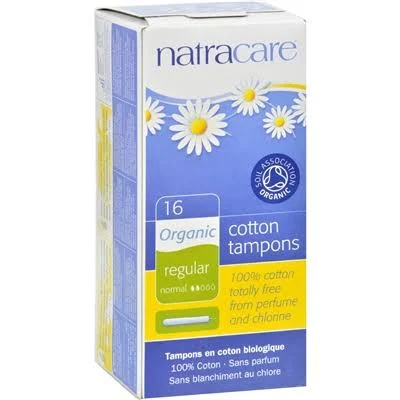
- 100% organic cotton
- A third party reports verifying it as PFAS-free
- Heavy metals
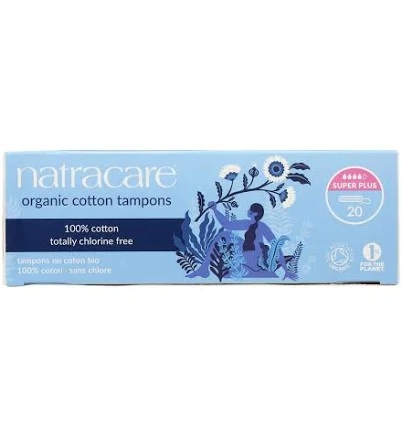
Natracare
Organic Super Plus Tampons, 3 x 20 ct
- organic cotton, cardboard applicator
- The brand calls it PFAS-free, which we have not verified
- Dioxins from bleaching
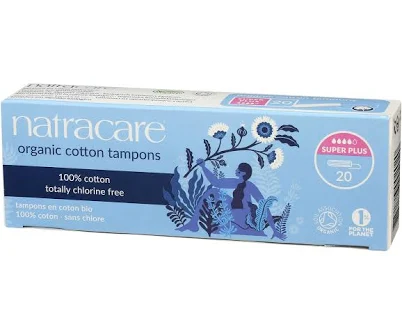
Natracare
Organic Cotton Super Plus Tampons
- organic cotton, no added fluorochemicals
- The brand calls it PFAS-free, which we have not verified
- Verified PFAS-free by a third party
More tampons grades
How we score, every product runs through the same public 0-100 rubric based on materials, coatings, brand disclosure, lab findings, and recalls. See the full methodology → Spotted a mistake? Report an error.