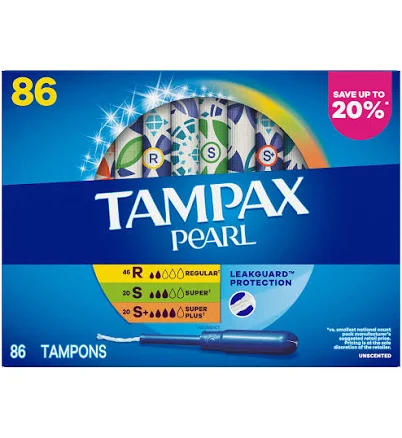
Tampax Pearl Tampons Trio Pack
Lower concern. Common materials, no known PFAS risk factors.
Tampax Pearl uses rayon, cotton, and cardboard applicators. No disclosed water-repellent coatings or Teflon-family coating treatments typical of PFAS-containing products.
We flunk more products than we pass. This one earned its grade. How we grade
Material
rayon/viscose, cotton blend, cardboard applicator
Lab data
No public lab test
You may also be interested in
Top-graded picks in the categories readers replace first, every one scored on the same rubric.

- polypropylene filter housing, carbon/sediment cartridge
- We found no PFAS statement from the brand
- Bacterial growth in spent cartridges
3 hazards checked on this product, all on its full breakdown.

Aquasure
Premier Series 75 GPD Under Sink Reverse Osmosis Water Filtration System
- RO membrane, carbon filters, stainless steel housing
- We found no PFAS statement from the brand
- Bacterial and microbial growth in housing and filters
4 hazards checked on this product, all on its full breakdown.

Avocado
Vegan Mattress
- organic cotton, natural latex, coconut coir, recycled steel coils
- The brand calls it PFAS-free, which we have not verified
- Heavy metals
2 hazards checked on this product, all on its full breakdown.
What Tampax Pearl Tampons Trio Pack is made of, ingredients and materials
Tampax Pearl tampons use a rayon (viscose) and cotton blend for absorbency, with a smooth plastic-coated cardboard applicator. Rayon is a regenerated cellulose fiber derived from wood pulp; when produced, it undergoes chemical processing (sodium hydroxide and carbon disulfide in the viscose process) but the finished fiber itself is chemically inert and has no known leaching risks in internal use. The cardboard applicator is uncoated on the interior and poses no documented chemical exposure hazard.
What’s concerning
Category baseline
The starting point for this type of product, before anything specific to this product is counted.
No PFAS disclosure
No public statement from the brand about PFAS in this product.
Fragrance allergens (scented variants)
Some Tampax Pearl variants are scented; fragrance compositions are not disclosed. Users with fragrance sensitivities or contact dermatitis may experience local irritation; unscented variants available.
Microbial or bacterial growth (storage/use)
Like all internal menstrual products, tampons carry standard menstrual hygiene risk if left in place beyond recommended duration (4-8 hours); this is a usage issue, not a product defect. Proper replacement schedules eliminate this concern.
What’s reassuring
Base material not linked to PFAS
The main material recorded for this product is not one associated with PFAS.
Rayon processing solvent residues
Viscose rayon production involves sodium hydroxide and carbon disulfide, but finished fiber is washed and dried; no documented residual contamination in commercial tampon products has been reported to regulatory agencies.
Chlorine bleach residues
Industry standard uses elemental chlorine or ECF (elemental chlorine-free) bleaching for rayon whiteness; Tampax does not disclose which method is used. No measured residual chlorine compounds have been established in finished products, and internal tampon use does not present a known exposure route.
Cardboard applicator degradation or splinters
Cardboard applicators are designed to remain intact during insertion and removal; no reports of splintering or structural failure in normal use exist in consumer databases or medical literature.
How is this PFAS grade calculated?
The brand's record and disclosure
Tampax (Procter and Gamble subsidiary) does not publicly disclose material certifications, chemical supplier audits, or third-party testing results for their tampon lines. The brand has faced historical criticism over lack of transparency regarding rayon sourcing and processing solvents, but no product recalls or adverse event reports linked to chemical contamination have been established in public records. P&G has not sought organic or chemical-restricted certifications for this mainstream product line.
How it compares in its category
Tampax Pearl sits in the mass-market conventional segment; rayon/cotton blends are the industry standard for absorbency and comfort. Competitors like Kotex and Playtex use similar material compositions. Alternatives certified organic (100% organic cotton, no rayon) exist but carry higher cost and do not have lower chemical hazard profiles from a chemical hazard standpoint. Cardboard applicators are considered lower environmental concern than plastic but similarly lack regulated chemical disclosure.
If you buy it
Use as directed by package instructions; no special handling required. Tampons are designed for single-use internal application and do not involve heating or degradation risk. Replace every 4-8 hours to reduce any theoretical microbial growth risk (standard menstrual hygiene). If you have known sensitivities to rayon processing residues or fragrance additives (some Tampax Pearl variants are scented), choose unscented or test a single product first. No maintenance or storage precautions beyond standard room-temperature, dry conditions apply.
What is not known about PFAS in this product?
- Basis
- Model estimate, 72% confidence, not a lab result
- Lab test
- None on record for this exact product
- Brand statement
- Tampax has made a specific claim
Formulations change between production runs, so check the current label. How we grade.
What are the PFAS-free alternatives to Tampax Pearl Tampons Trio Pack?
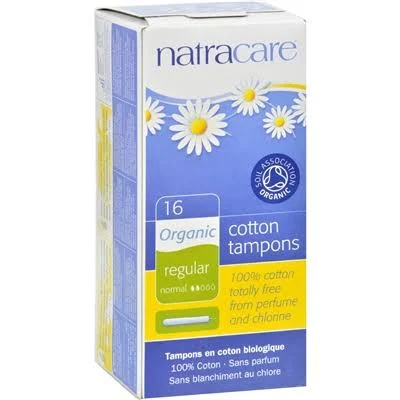
- 100% organic cotton
- A third party reports verifying it as PFAS-free
- Heavy metals
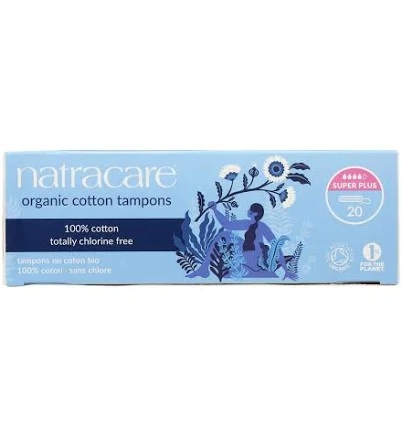
Natracare
Organic Super Plus Tampons, 3 x 20 ct
- organic cotton, cardboard applicator
- The brand calls it PFAS-free, which we have not verified
- Dioxins from bleaching
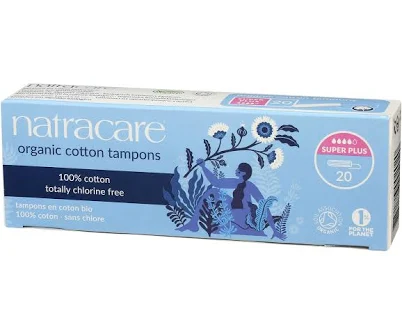
Natracare
Organic Cotton Super Plus Tampons
- organic cotton, no added fluorochemicals
- The brand calls it PFAS-free, which we have not verified
- Verified PFAS-free by a third party
More tampons grades
How we score, every product runs through the same public 0-100 rubric based on materials, coatings, brand disclosure, lab findings, and recalls. See the full methodology → Spotted a mistake? Report an error.