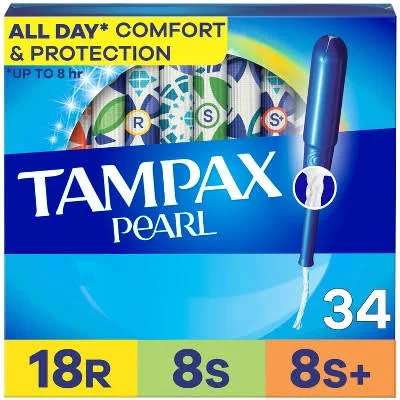
Tampax Pearl Triple Pack Tampons
Lower concern. Core materials inherently PFAS-free, but brand silent on coatings.
Tampax Pearl uses rayon and cotton, materials without known PFAS risk. Brand does not disclose any proprietary coatings or waterproof treatments on the applicator or tampon itself.
We flunk more products than we pass. This one earned its grade. How we grade
Material
rayon core, cotton lining
Lab data
No public lab test
You may also be interested in
Top-graded picks in the categories readers replace first, every one scored on the same rubric.

- polypropylene filter housing, carbon/sediment cartridge
- We found no PFAS statement from the brand
- Bacterial growth in spent cartridges
3 hazards checked on this product, all on its full breakdown.

Aquasure
Premier Series 75 GPD Under Sink Reverse Osmosis Water Filtration System
- RO membrane, carbon filters, stainless steel housing
- We found no PFAS statement from the brand
- Bacterial and microbial growth in housing and filters
4 hazards checked on this product, all on its full breakdown.

Avocado
Vegan Mattress
- organic cotton, natural latex, coconut coir, recycled steel coils
- The brand calls it PFAS-free, which we have not verified
- Heavy metals
2 hazards checked on this product, all on its full breakdown.
What Tampax Pearl Triple Pack Tampons is made of, ingredients and materials
Tampax Pearl tampons use a rayon core (viscose fiber from wood pulp) with a cotton lining and a plastic applicator. Rayon is a regenerated cellulose material and does not inherently contain known toxic residues like heavy metals or problematic chemical additives in the fiber itself. The cotton lining adds absorbency and is a natural fiber. The plastic applicator (typically polystyrene or polyethylene) poses no direct chemical leaching risk during short vaginal contact, though it is a single-use waste concern.
What’s concerning
Category baseline
The starting point for this type of product, before anything specific to this product is counted.
No PFAS disclosure
No public statement from the brand about PFAS in this product.
Dioxin residues in rayon processing
Rayon production can leave trace dioxins if bleaching is not tightly controlled. Tampax does not publicly test or disclose dioxin levels; regulatory limits exist (FDA oversight) but independent verification is absent for this product.
Bleach and residual chemical byproducts in fibers
Both rayon and cotton undergo bleaching and processing; unmeasured trace byproducts (e.g., residual hypochlorite, chlorine compounds) may remain. Tampax provides no test data, but vaginal contact is brief and mucosal absorption of trace residues is considered low-risk in regulatory assessments.
Fragrance or additive sensitization
Tampax Pearl includes a subtle fragrance coating on some variants. Individual allergic or irritant reactions to fragrance compounds (e.g., limonene, linalool) are reported anecdotally but not systematically disclosed by the brand. Risk varies by individual sensitivity.
Bacterial growth or contamination from storage
If the box is stored in a warm, humid bathroom, mold or bacterial growth in the packaging is possible over extended periods, unrelated to the product chemistry itself. This is a hygiene practice issue, not a material hazard.
What’s reassuring
Base material not linked to PFAS
The main material recorded for this product is not one associated with PFAS.
Plastic applicator degradation or microplastic shedding
Single-use plastic applicators are firm and do not degrade during typical use. No documented reports of microplastic release from polystyrene or polyethylene applicators during vaginal insertion. Environmental impact after disposal is separate from direct chemical safety.
How is this PFAS grade calculated?
The brand's record and disclosure
Tampax (Procter and Gamble) does not publicly disclose detailed material or chemical testing data for tampons, nor has it pursued third-party certifications like organic or toxicological transparency standards. The brand has not faced major product recalls or documented chemical safety incidents in peer-reviewed or regulatory databases. P&G's silence on PFAS, phthalates, and dioxin testing in tampons is typical industry-wide but leaves gaps in verifiable safety claims compared to smaller certified brands.
How it compares in its category
Tampax Pearl sits in the mainstream conventional segment. Brands with explicit certifications (e.g., GOTS organic cotton, third-party dioxin testing) offer more verifiable safety documentation. Budget conventional brands use similar rayon-cotton blends without meaningful difference in chemical risk. Premium eco-brands often add transparency reports that Tampax does not provide, though this does not confirm Tampax products are unsafe, only less disclosed.
If you buy it
Use as directed; there are no special heating, storage, or replacement triggers beyond normal menstrual hygiene practices. The plastic applicator is single-use and not reusable. Store in a cool, dry place to prevent mold growth in the box. If you experience irritation, rash, or unusual odor, discontinue and consult a gynecologist; individual sensitivity is possible but not attributable to a known chemical hazard in this product line.
What is not known about PFAS in this product?
- Basis
- Model estimate, 72% confidence, not a lab result
- Lab test
- None on record for this exact product
- Brand statement
- Tampax has made a specific claim
Formulations change between production runs, so check the current label. How we grade.
What are the PFAS-free alternatives to Tampax Pearl Triple Pack Tampons?
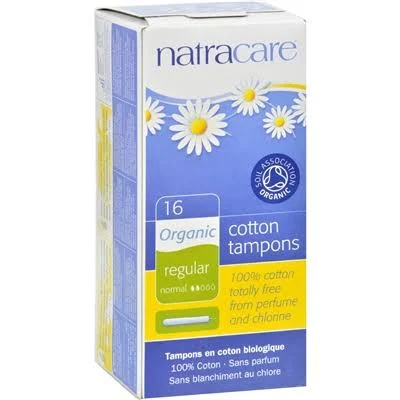
- 100% organic cotton
- A third party reports verifying it as PFAS-free
- Heavy metals
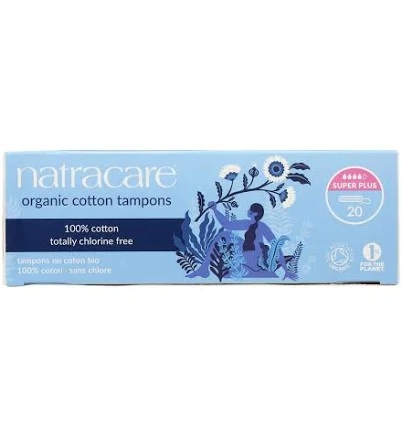
Natracare
Organic Super Plus Tampons, 3 x 20 ct
- organic cotton, cardboard applicator
- The brand calls it PFAS-free, which we have not verified
- Dioxins from bleaching
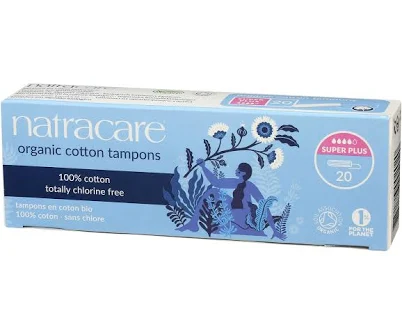
Natracare
Organic Cotton Super Plus Tampons
- organic cotton, no added fluorochemicals
- The brand calls it PFAS-free, which we have not verified
- Verified PFAS-free by a third party
More tampons grades
How we score, every product runs through the same public 0-100 rubric based on materials, coatings, brand disclosure, lab findings, and recalls. See the full methodology → Spotted a mistake? Report an error.