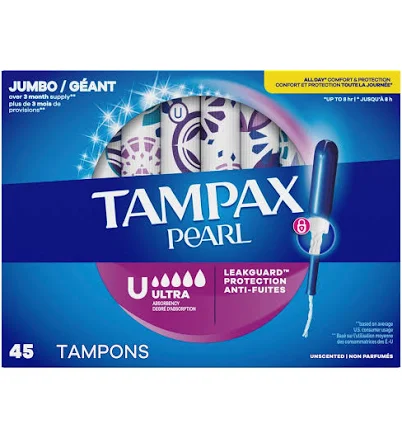
Tampax Pearl Ultra Absorbancy Tampons, Unscented, 50 Count
Lower concern, but lack of transparency limits certainty.
Tampax Pearl tampons use conventional rayon and polyethylene without known PFAS treatment in menstrual products. The brand makes no PFAS disclosure or offers third-party testing.
We flunk more products than we pass. This one earned its grade. How we grade
Material
Rayon/viscose core, polyethylene outer layer
Lab data
No public lab test
You may also be interested in
Top-graded picks in the categories readers replace first, every one scored on the same rubric.

- polypropylene filter housing, carbon/sediment cartridge
- We found no PFAS statement from the brand
- Bacterial growth in spent cartridges
3 hazards checked on this product, all on its full breakdown.

Aquasure
Premier Series 75 GPD Under Sink Reverse Osmosis Water Filtration System
- RO membrane, carbon filters, stainless steel housing
- We found no PFAS statement from the brand
- Bacterial and microbial growth in housing and filters
4 hazards checked on this product, all on its full breakdown.

Avocado
Vegan Mattress
- organic cotton, natural latex, coconut coir, recycled steel coils
- The brand calls it PFAS-free, which we have not verified
- Heavy metals
2 hazards checked on this product, all on its full breakdown.
What Tampax Pearl Ultra Absorbancy Count is made of, ingredients and materials
Tampax Pearl Ultra uses a rayon/viscose core (the absorbent material) wrapped in a polyethylene outer layer, with a plastic applicator. Rayon is a semi-synthetic cellulose fiber created from wood pulp via chemical processing; it is highly absorbent and has been the industry standard for decades. Polyethylene is inert and non-toxic under normal use conditions. The plastic applicator is smooth and designed to minimize friction during insertion.
What’s concerning
Category baseline
The starting point for this type of product, before anything specific to this product is counted.
No PFAS disclosure
No public statement from the brand about PFAS in this product.
Dioxins and bleaching byproducts
Rayon production typically involves bleaching; trace dioxin residues have been detected in some tampon samples historically, though modern manufacturing has reduced this risk. Tampax does not publicly disclose testing results for dioxin levels in this product.
Toxic shock syndrome (TSS) risk
TSS is rare but documented with tampon use, linked to prolonged wear and high absorbancy. Risk is minimized by changing every 4-8 hours and alternating with pads. Ultra absorbancy formulations carry slightly higher hypothetical risk if misused (left in too long), but incidence remains very low with proper use.
Rayon irritation or allergic contact dermatitis
Vaginal tissue sensitivity to rayon fibers or residual processing chemicals is uncommon but documented anecdotally. No large clinical studies on Tampax Pearl specifically; individual variation in tolerance is normal.
What’s reassuring
Base material not linked to PFAS
The main material recorded for this product is not one associated with PFAS.
Microplastic or fiber shedding
Rayon and polyethylene are not microplastics in the strict sense; rayon is degradable and polyethylene is stable under normal vaginal conditions. No recalls or widespread complaints of visible fiber breakage have been reported for this product line.
Heavy metals
No independent testing or recalls document heavy metal contamination (lead, cadmium, mercury) in Tampax Pearl tampons or applicators. Industry manufacturing controls are assumed but not publicly verified by the brand.
Source, FDA ↗How is this PFAS grade calculated?
The brand's record and disclosure
Tampax (owned by Procter & Gamble) does not publish detailed ingredient transparency reports or third-party safety certifications specific to tampons. The brand has faced historical scrutiny over toxic shock syndrome (TSS) risk in the 1980s, but modern tampons including this line are considered low-risk when used correctly and changed regularly. P&G maintains general safety compliance but does not independently disclose testing for dioxins, heavy metals, or other contaminants in menstrual products.
How it compares in its category
Tampax Pearl Ultra is a mainstream, widely available option with conventional rayon-polyethylene construction, similar to Kotex, Playtex, and store-brand equivalents. It lacks third-party certifications (such as those from organic cotton brands or testing labs like Credo) that some consumers prioritize. Ultra absorbancy means higher rayon content and faster fluid uptake, which reduces TSS risk if changed every 4-8 hours as recommended, but increases material contact time with vaginal tissue.
If you buy it
Change tampons every 4 to 8 hours and never leave one in overnight to minimize TSS and bacterial overgrowth risk. Do not use overnight or for light flow; underutilization of absorbancy may encourage extended wear. Store in a cool, dry place; moisture exposure can degrade packaging. Discontinue use if you experience unusual itching, burning, or allergic reaction and consult a healthcare provider.
What is not known about PFAS in this product?
- Basis
- Model estimate, 72% confidence, not a lab result
- Lab test
- None on record for this exact product
- Brand statement
- Tampax has made a specific claim
Formulations change between production runs, so check the current label. How we grade.
What are the PFAS-free alternatives to Tampax Pearl Ultra Absorbancy Tampons, Unscented, 50 Count?
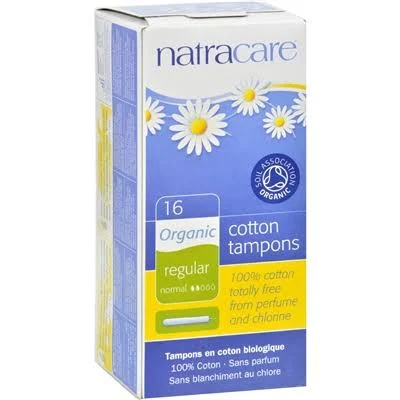
- 100% organic cotton
- A third party reports verifying it as PFAS-free
- Heavy metals
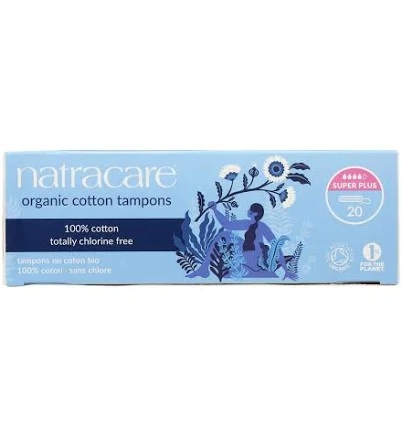
Natracare
Organic Super Plus Tampons, 3 x 20 ct
- organic cotton, cardboard applicator
- The brand calls it PFAS-free, which we have not verified
- Dioxins from bleaching
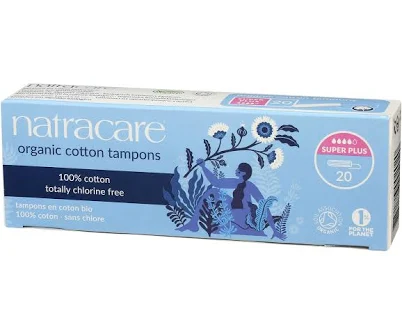
Natracare
Organic Cotton Super Plus Tampons
- organic cotton, no added fluorochemicals
- The brand calls it PFAS-free, which we have not verified
- Verified PFAS-free by a third party
More tampons grades
How we score, every product runs through the same public 0-100 rubric based on materials, coatings, brand disclosure, lab findings, and recalls. See the full methodology → Spotted a mistake? Report an error.