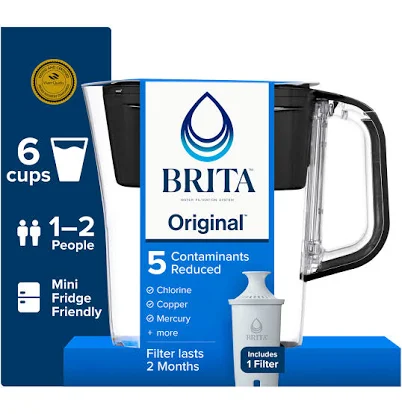
Brita Soho Water Filter Pitcher
Low concern; no known PFAS issues though manufacturer transparency is minimal.
Brita's pitcher uses activated carbon and ion-exchange resin without documented PFAS risk, housed in BPA-free plastic. Brita hasn't specifically disclosed PFAS information.
We flunk more products than we pass. This one earned its grade. How we grade
Material
BPA-free plastic pitcher with activated carbon filter
Lab data
No public lab test
You may also be interested in
Top-graded picks in the categories readers replace first, every one scored on the same rubric.

- polypropylene filter housing, carbon/sediment cartridge
- We found no PFAS statement from the brand
- Bacterial growth in spent cartridges
3 hazards checked on this product, all on its full breakdown.

Aquasure
Premier Series 75 GPD Under Sink Reverse Osmosis Water Filtration System
- RO membrane, carbon filters, stainless steel housing
- We found no PFAS statement from the brand
- Bacterial and microbial growth in housing and filters
4 hazards checked on this product, all on its full breakdown.

Avocado
Vegan Mattress
- organic cotton, natural latex, coconut coir, recycled steel coils
- The brand calls it PFAS-free, which we have not verified
- Heavy metals
2 hazards checked on this product, all on its full breakdown.
What Brita Soho Water Filter Pitcher is made of, ingredients and materials
The Brita Soho pitcher uses BPA-free plastic housing (typically polypropylene or copolyester blend) and an activated carbon filter cartridge. BPA-free designation means no bisphenol A, but the pitcher may still contain other plasticizers or resins; however, cold water contact in a filter pitcher presents minimal leaching risk compared to heated food storage. The activated carbon itself is inert and food-safe when sourced properly, though filter longevity depends on water quality and replacement frequency.
What’s concerning
No PFAS disclosure
No public statement from the brand about PFAS in this product.
Bacterial growth in filter media if unmaintained
Activated carbon filters can harbor biofilm and bacteria if cartridges are not replaced on schedule or if the pitcher sits unused for extended periods. Brita filters are NSF-tested for initial microbial reduction, but post-purchase maintenance is user-dependent and not all households follow replacement intervals.
Filter cartridge housing leachables or adhesive off-gassing
The filter cartridge contains activated carbon, polymer shell, and adhesives that bond media layers. FDA and NSF clearance covers pathogen reduction but does not mandate disclosure of adhesive chemistry; potential for minor volatile release, especially if cartridge is new or stored in warm conditions before use.
Activated carbon filter saturation and contaminant breakthrough
Pitcher filters have low activation energy and finite adsorption capacity; once saturated, they cease to remove contaminants and may release previously trapped materials. Users who ignore replacement schedules or overfill cartridges risk reduced efficacy and potential recontamination of water.
What’s reassuring
Base material not linked to PFAS
The main material recorded for this product is not one associated with PFAS.
BPA & bisphenols
While BPA is excluded, the pitcher body likely contains polypropylene or other polyolefins and adhesives/sealants at seams and filter-seat junctions. Cold water contact poses minimal risk, but no public disclosure of full polymer identity or testing for secondary plasticizers (e.g., BPS, cycloaliphatic compounds) is available.
Source, FDA ↗Coating or epoxy degradation over repeated use cycles
The pitcher interior may have food-contact epoxy or other protective coatings at seams or bottom corners. Repeated filling, washing, and freezing cycles could theoretically degrade these over years, though no recalls or field reports document this for the Soho model.
How is this PFAS grade calculated?
The brand's record and disclosure
Brita (owned by Clorox subsidiary) is a legacy water-filter brand with decades of FDA clearance and NSF certification for their filter cartridges, signaling third-party vetting. TAPP Water, the reseller or co-brander here, has minimal public safety disclosure on their own website; they do not prominently advertise independent testing or material sourcing transparency. No major product recalls or contamination incidents are on record for the Soho model specifically.
How it compares in its category
Pitcher filters like this are a low-barrier entry point to household filtration; they outperform unfiltered tap water for common contaminants (chlorine, sediment) but have narrower scope than countertop or under-sink systems. The BPA-free plastic is now standard among major brands and represents a safety baseline rather than a differentiator. Compared to cheaper store brands, Brita's filter design and replacement availability reduce risk of bacterial regrowth from extended filter life.
If you buy it
Replace the filter cartridge every 2 months or 40 gallons, whichever comes first, to prevent bacterial biofilm accumulation in the filter media. Do not heat the pitcher or use it for hot water, as this can stress the plastic seams and any non-food-grade adhesives in the filter housing. Rinse the pitcher interior and lid weekly and allow to air-dry between fills. Store in a cool place away from direct sunlight to minimize any polymer degradation.
What is not known about PFAS in this product?
- Basis
- Model estimate, 72% confidence, not a lab result
- Lab test
- None on record for this exact product
- Brand statement
- Brita has made a specific claim
Formulations change between production runs, so check the current label. How we grade.
What are the PFAS-free alternatives to Brita Soho Water Filter Pitcher?
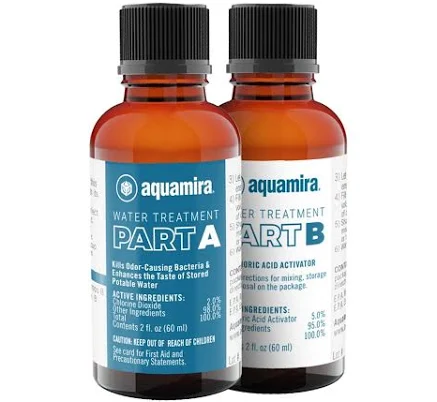
- glass bottles, sodium dichloroisocyanurate treatment chemical
- We found no PFAS statement from the brand
- Chemical overdose or misuse
5 hazards checked on this product, all on its full breakdown.
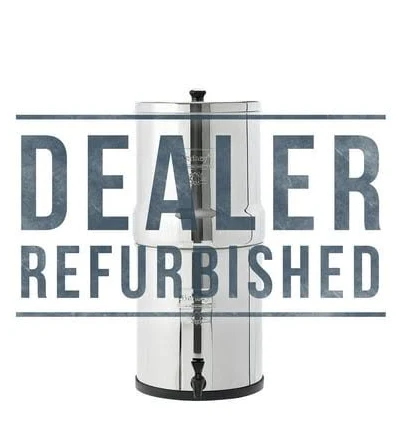
- Stainless steel housing and spigot
- We found no PFAS statement from the brand
- Bacterial growth and biofilm if filters not replaced
5 hazards checked on this product, all on its full breakdown.
- Borosilicate glass pitcher, replaceable activated-carbon filter cartridge
- Bacterial growth in filter cartridge if unmaintained
5 hazards checked on this product, all on its full breakdown.
More water filters grades
How we score, every product runs through the same public 0-100 rubric based on materials, coatings, brand disclosure, lab findings, and recalls. See the full methodology → Spotted a mistake? Report an error.