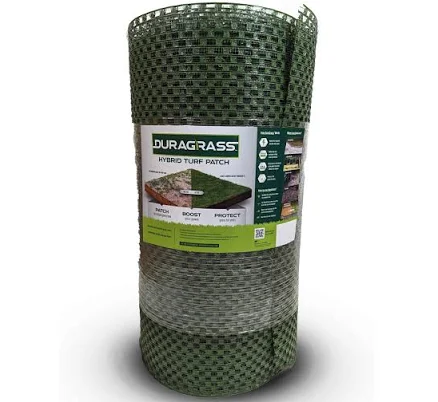
DuraGrass Artificial Grass Lawn Repair
Wait for Tarkett to disclose coating composition and PFAS status.
Artificial grass typically uses water-resistant treatments. Tarkett provides no public disclosure of PFAS use or absence.
The better-graded swap
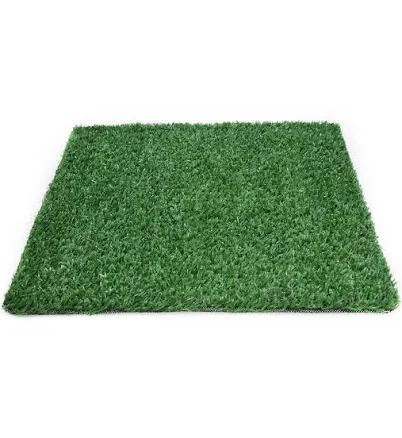
AstroTurf
SeeGreen 5 ft. W X 7 ft. L Green Polypropylene Astroturf
75/100 safety
Same rubric that flunked this product. The swap earned Excellent.
Still want this one anyway? Check the price on Amazon. We’d swap it.
Material
polyethylene or polypropylene with unspecified water-resistant backing/coating
Brand disclosure
Brand is silent on PFAS
Lab data
No public lab test
You may also be interested in
Top-graded picks in the categories readers replace first, every one scored on the same rubric.

- polypropylene filter housing, carbon/sediment cartridge
- We found no PFAS statement from the brand
- Bacterial growth in spent cartridges
3 hazards checked on this product, all on its full breakdown.

Aquasure
Premier Series 75 GPD Under Sink Reverse Osmosis Water Filtration System
- RO membrane, carbon filters, stainless steel housing
- We found no PFAS statement from the brand
- Bacterial and microbial growth in housing and filters
4 hazards checked on this product, all on its full breakdown.

Avocado
Vegan Mattress
- organic cotton, natural latex, coconut coir, recycled steel coils
- The brand calls it PFAS-free, which we have not verified
- Heavy metals
2 hazards checked on this product, all on its full breakdown.
What DuraGrass Artificial Grass Lawn Repair is made of, ingredients and materials
The brand is polyethylene or polypropylene pile fiber bonded to an unspecified water-resistant backing or coating. The backing composition is the critical unknown, water resistance in artificial turf is typically achieved via polyurethane, PVC, or synthetic rubber compounds, some of which are known vehicles for PFAS or plasticizers. Without disclosure, you cannot verify whether the backing contains phthalates, flame retardants, or persistent chemicals. The base polymer (PE/PP) itself is relatively inert, but degradation and fiber shedding under UV and foot traffic release microplastics into soil and runoff.
What’s concerning
Category baseline
The starting point for this type of product, before anything specific to this product is counted.
No PFAS disclosure
No public statement from the brand about PFAS in this product.
Waterproof / stain-resistant treatment
Water-repellent coating treatments have historically used PFAS.
Microplastic shedding from fiber degradation
PE and PP fibers degrade under UV and foot traffic, releasing particles into soil and stormwater. No field studies specific to exist, but this is a documented issue across all polyolefin turf. Shedding increases with product age and mechanical wear.
Uncharacterized backing coatings and water-resistant additives
Tarkett has not disclosed whether the backing contains phthalates, polyurethane (potential allergen and off-gassing source), or other synthetic polymers. Water-resistant coatings in this product category frequently contain PFAS or volatile organic compounds; absence of disclosure suggests potential exposure.
Volatile organic compound (VOC) off-gassing during installation or heat exposure
Polyurethane or vinyl-based backings and adhesives in artificial turf can release VOCs, particularly in warm conditions. Product data does not address off-gassing profiles; installation in enclosed or semi-enclosed spaces warrants ventilation precautions.
What’s reassuring
Flame retardants
No public data confirm the presence of added flame retardants or antimicrobials in the brand. Some artificial turf products do incorporate these; Tarkett's silence makes status unknown and warrants direct inquiry if this is a concern.
Source, EPA ↗Heavy metals
The brand is marketed as repair, not full-field installation, and composition of any recommended infill is not specified. If infill is required, separately verify that crumb rubber or sand infill does not exceed cadmium or lead thresholds, particularly if installed near children's play zones.
Source, FDA ↗How is this PFAS grade calculated?
The brand's record and disclosure
Tarkett, a major flooring and turf manufacturer, has not publicly disclosed the composition or PFAS status of coatings. The company has faced no major recalls specific to this product in public databases, but the absence of transparency on synthetic backing chemistry is a red flag in an industry where manufacturers increasingly face scrutiny over PFAS in water-resistant adhesives and membranes. Tarkett's general sustainability statements do not address microplastic leakage or persistent chemical use in artificial turf lines.
How it compares in its category
Artificial turf as a category universally sheds microplastics and typically relies on water-resistant backings; The brand is not unique in these risks, but it is notably behind competitors (such as some products from Shaw and Mohawk) that have begun disclosing backing materials and committing to PFAS-free formulations. Most artificial turf marketed for residential repair lacks third-party certification for chemical safety, making Tarkett's silence typical but not reassuring. Natural grass or certified low-chemical alternatives have lower concern for long-term chemical exposure.
If you buy it
Install over a permeable base (sand or gravel without synthetic underlayment if possible) to minimize microplastic percolation into groundwater. Keep it away from children's frequent contact zones and drinking-water collection areas. Inspect the backing annually for degradation, tears, or UV damage, which accelerate fiber and coating shedding; replace within 8-10 years or sooner if visibly worn. Rinse with plain water only; avoid high-heat equipment (pressure washers above 180F) and chemical treatments that may mobilize coating compounds.
What is not known about PFAS in this product?
- Basis
- Model estimate, 35% confidence, not a lab result
- Lab test
- None on record for this exact product
- Brand statement
- has made none
Formulations change between production runs, so check the current label. How we grade.
What are the PFAS-free alternatives to DuraGrass Artificial Grass Lawn Repair?
- Polypropylene (PP) astroturf
- We found no PFAS statement from the brand
- VOC off-gassing from polyurethane or latex adhesive
5 hazards checked on this product, all on its full breakdown.
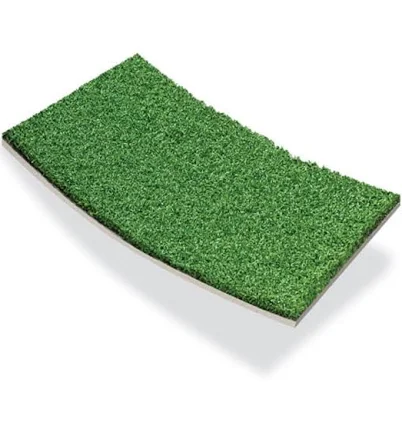
34 Oz Padded Gym Artificial Turf
- polyethylene turf fibers, polypropylene backing
- We found no PFAS statement from the brand
- VOC off-gassing from polyethylene and polypropylene
4 hazards checked on this product, all on its full breakdown.
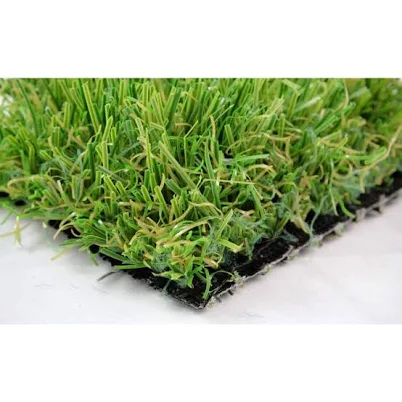
- polyethylene/polypropylene synthetic grass fibers with backing
- We found no PFAS statement from the brand
- Flame retardants
4 hazards checked on this product, all on its full breakdown.
Find an alternative on AmazonMore artificial turf grades
How we score, every product runs through the same public 0-100 rubric based on materials, coatings, brand disclosure, lab findings, and recalls. See the full methodology → Spotted a mistake? Report an error.