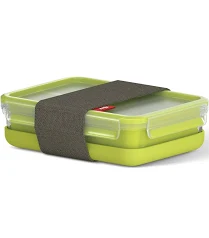
Tefal Food Container 3 compartments 1.2 lt
Lower concern; rigid PP food container unlikely to contain PFAS.
Tefal rigid food container is polypropylene plastic with no known PFAS risk. Brand makes no PFAS claims; no independent testing data found.
We flunk more products than we pass. This one earned its grade. How we grade
Material
polypropylene (PP) plastic
Brand disclosure
Brand is silent on PFAS
Lab data
No public lab test
What Tefal Food Container 3 compartments 1.2 lt is made of, ingredients and materials
This container is polypropylene (PP, plastic #5), a thermoplastic polymer chosen for food storage because it resists moisture and has a higher melting point (160, 170°C) than many other common food plastics. PP does not contain bisphenol A (BPA) or phthalates by formulation. The three-compartment design and rigid structure mean no flexible seals or gaskets are involved, reducing potential off-gassing sources. Color and opacity depend on pigments and additives, but no specific colorants or flame retardants are typical in food-grade PP containers of this type.
What’s concerning
Category baseline
The starting point for this type of product, before anything specific to this product is counted.
No PFAS disclosure
No public statement from the brand about PFAS in this product.
Microplastics
Polypropylene containers can shed fine particles if scratched, overheated, or aged. Risk is low with normal use but increases if stored in direct sunlight or washed abrasively.
Source, EPA ↗Heat-induced off-gassing
If heated above recommended limits (typically 100°C), PP may release volatile compounds. Risk is controlled by adhering to use guidelines and avoiding prolonged storage in hot environments.
Microbial growth in seals or crevices
The compartment dividers and lids may trap food residue if not cleaned thoroughly; no antimicrobial coating is mentioned. Regular, thorough washing reduces this risk substantially.
What’s reassuring
Base material not linked to PFAS
The main material recorded for this product is not one associated with PFAS.
BPA & bisphenols
PP food-grade resin is formulated to minimize leaching; no reported migration issues for Tefal food containers. Risk is not elevated compared to other major food-storage brands.
Source, FDA ↗Heavy metals
This product's color and any opacity-enhancing additives are not disclosed. Standard food-contact PP does not typically use heavy-metal pigments, but independent verification for this specific model is not available.
Source, FDA ↗The full breakdown
The brand's record and disclosure
Tefal is a subsidiary of Groupe SEB, a major French small-appliance and cookware manufacturer. The brand does not publicly disclose detailed composition or third-party food-contact certifications for this specific container model. No major recalls or contamination incidents for Tefal food containers have been documented in public health records. The brand maintains a neutral stance on PFAS and does not market this product as PFAS-free.
How it compares in its category
Polypropylene food containers are mainstream and widely considered lower-risk for leaching compared to older polycarbonate or vinyl products. This three-compartment design is standard in the meal-prep category and competes directly with brands like Rubbermaid, Sistema, and store-label equivalents. Tefal's offering does not differentiate on certified materials or transparency; price and durability are the competitive points. No independent third-party testing results for migration or off-gassing of this model are publicly available.
If you buy it
Do not expose to temperatures above 100°C or direct flame; PP softens at high heat and can warp or leach additives faster. Avoid microwave use if the container lacks explicit microwave-safe labeling; check the base for resin code and any manufacturer instructions. Hand wash with mild soap or use in the dishwasher on low heat if labeled as dishwasher-safe. Replace if cracks, cloudiness, or warping develop, as degraded plastic may shed microparticles.
What we don’t know
- Basis
- Model estimate, 72% confidence, not a lab result
- Lab test
- None on record for this exact product
- Brand statement
- Tefal has made none
Formulations change between production runs, so check the current label. How we grade.
Better-graded alternatives in Lunch Boxes
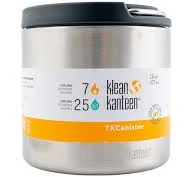
Klean Kanteen
Double Wall Vacuum Insulated Stainless Steel Food Canister Container with Leak Proof Lid
- Stainless steel body, silicone gasket lid seal
- The brand calls it PFAS-free, which we have not verified
- Silicone gasket degradation
3 hazards checked on this product. See all of them.
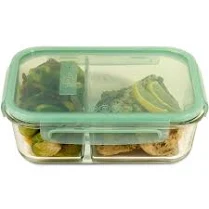
Snapware
Meal Box Glass
- borosilicate glass
- We found no PFAS statement from the brand
- Leaching from glass matrix or lid seals
2 hazards checked on this product. See all of them.
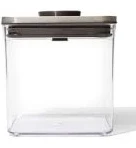
OXO
Steel Pop Big Square Short - 2.8 Qt/2.6 l
- Stainless steel container, no surface treatment
- Lid/gasket polymer leaching
3 hazards checked on this product. See all of them.
More lunch boxes grades
How we score, every product runs through the same public 0-100 rubric based on materials, coatings, brand disclosure, lab findings, and recalls. See the full methodology → Spotted a mistake? Report an error.