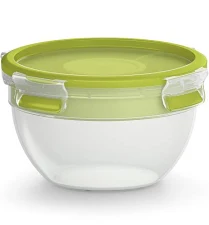
Tefal K31001 Lunch box Lunch container 1 L Green, Transparent
Lower concern. Standard plastic lunch box, no PFAS-typical features identified.
Tefal K31001 is a basic polypropylene food container with no nonstick coating or water-repellent finish. No PFAS disclosure available; standard rigid PP containers typically pose lower PFAS risk than coated cookware.
We flunk more products than we pass. This one earned its grade. How we grade
Material
Polypropylene (PP) rigid plastic container
Brand disclosure
Brand is silent on PFAS
Lab data
No public lab test
What Tefal K31001 Lunch box Lunch container 1 is made of, ingredients and materials
This is a rigid polypropylene (PP) container, a thermoplastic polymer chosen for food storage because it is durable, lightweight, and resistant to moisture and moderate heat. Polypropylene does not contain BPA or BPS by chemistry, and it is not formulated with phthalates as a structural component. The transparent sections are the same PP material, not a separate coating, so there is no glazing or enamel layer to degrade or leach.
What’s concerning
Category baseline
The starting point for this type of product, before anything specific to this product is counted.
No PFAS disclosure
No public statement from the brand about PFAS in this product.
Monomer and oligomer migration under heat
Polypropylene containers can release trace amounts of oligomers (short polymer chains) and monomers when heated above 80°C or in contact with fatty or acidic foods. This product is not rated for microwave or direct heat use, which minimizes this risk during normal food storage, but heating in hot water or microwaving would elevate concern.
Degradation and microparticle shedding
Repeated washing, stacking, and contact with hot water or abrasive utensils can degrade the surface and interior of PP containers over time. Visible cracks, cloudiness, or discoloration signal material breakdown; continued use may allow small plastic particles into food. This is not unique to Tefal but is inherent to the material class.
Bacterial growth and mold in seals and cracks
The lid and sealing gasket are common sites for bacterial and mold growth if not dried thoroughly or if the seal degrades. This is a storage and maintenance issue, not a chemical one, but it is specific to the container design and hygiene practice rather than the plastic itself.
What’s reassuring
Base material not linked to PFAS
The main material recorded for this product is not one associated with PFAS.
BPA & bisphenols
Polypropylene is not formulated with bisphenol-A or bisphenol-S; these are associated with other plastics (PC, epoxy resins). No established risk for this product.
Source, FDA ↗Phthalate plasticizers
PP is a thermoplastic that does not require phthalates for flexibility; it is rigid by design. No record of phthalate use in Tefal K31001 or standard PP lunch boxes.
The full breakdown
The brand's record and disclosure
Tefal (group Groupe SEB) manufactures cookware and small appliances widely and has not disclosed a formal chemical hazard or supply-chain transparency policy on the public record for this lunch box line. No product-specific recalls or safety warnings are recorded for the K31001 model. The brand's broader cookware focus means lunch box safety documentation is minimal, but there is no established controversy surrounding this product or PP food containers from this manufacturer.
How it compares in its category
Polypropylene rigid containers are among the most common and regulated food-storage plastics in Europe and North America; they are approved for food contact by FDA and EFSA. This Tefal model is functionally equivalent to generic PP lunch boxes from other brands and offers no material advantage or disadvantage in terms of chemical hazards. The main variation in this category is lid seal integrity and repeated heat exposure; this product is typical in those respects.
If you buy it
Do not heat this container in the microwave, as PP has a melting point around 130°C and can warp or leach trace monomers under sustained heat. Hand wash or use a gentle dishwasher cycle (PP can degrade in high heat). Inspect the lid seal and container walls regularly for cracks or cloudiness; replace if degraded, as cracks can trap food residue and bacterial growth. Store foods with high fat or acidic content only briefly, as these can slowly soften PP over time.
What we don’t know
- Basis
- Model estimate, 72% confidence, not a lab result
- Lab test
- None on record for this exact product
- Brand statement
- Tefal has made none
Formulations change between production runs, so check the current label. How we grade.
Better-graded alternatives in Lunch Boxes
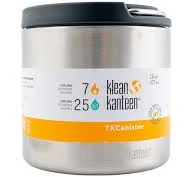
Klean Kanteen
Double Wall Vacuum Insulated Stainless Steel Food Canister Container with Leak Proof Lid
- Stainless steel body, silicone gasket lid seal
- The brand calls it PFAS-free, which we have not verified
- Silicone gasket degradation
3 hazards checked on this product. See all of them.
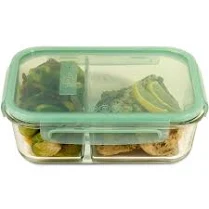
Snapware
Meal Box Glass
- borosilicate glass
- We found no PFAS statement from the brand
- Leaching from glass matrix or lid seals
2 hazards checked on this product. See all of them.
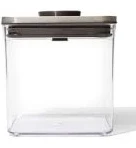
OXO
Steel Pop Big Square Short - 2.8 Qt/2.6 l
- Stainless steel container, no surface treatment
- Lid/gasket polymer leaching
3 hazards checked on this product. See all of them.
More lunch boxes grades
How we score, every product runs through the same public 0-100 rubric based on materials, coatings, brand disclosure, lab findings, and recalls. See the full methodology → Spotted a mistake? Report an error.