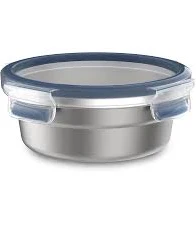
Tefal MasterSeal Food container round 0,7 l
Lower concern. Solid plastic food container, PFAS risk minimal.
Tefal MasterSeal uses polypropylene, a common food-safe plastic with low PFAS risk. Brand makes no PFAS claims; no coating technology suggests Teflon-family coating unlikely.
We flunk more products than we pass. This one earned its grade. How we grade
Material
Polypropylene plastic container
Brand disclosure
Brand is silent on PFAS
Lab data
No public lab test
What Tefal MasterSeal Food container round 0,7 is made of, ingredients and materials
This container is polypropylene (PP), a thermoplastic polymer commonly used in food storage because it resists moisture and offers moderate heat tolerance. PP does not contain BPA or phthalates by design, and the material itself is not known to leach endocrine disruptors under normal food storage conditions. The round shape and 0.7 L volume suggest a rigid, injection-molded design typical of refrigerator-safe meal prep containers. No decorative glazes, enamels, or surface coatings are documented for this product line, reducing ceramic or enamel-related hazards.
What’s concerning
Category baseline
The starting point for this type of product, before anything specific to this product is counted.
No PFAS disclosure
No public statement from the brand about PFAS in this product.
Microplastic release on heating
Repeated microwave reheating and freeze-thaw cycles can degrade PP over time, potentially releasing microscopic plastic fragments into food. Risk is low under normal refrigerator storage and moderate heating, but cumulative damage accelerates with high-heat use.
Polymer softening and chemical migration under heat
PP softens above 70 C. Prolonged exposure to hot foods or oils may cause the polymer matrix to relax slightly, though acute toxicity from this is not documented in food-contact PP. Risk is primarily functional (warping, lid seal failure) rather than chemical hazard.
What’s reassuring
Base material not linked to PFAS
The main material recorded for this product is not one associated with PFAS.
BPA & bisphenols
Polypropylene does not contain BPA or its substitutes BPS by formulation. No recalls or reported migration incidents exist for this product.
Source, FDA ↗Phthalate migration
PP is inherently phthalate-free; these additives are not used in rigid PP injection molding for food containers. No documented exposure risk from this product class.
Coating degradation and leaching
No decorative coatings, glazes, or internal linings are known to be applied to this PP container; degradation hazard is therefore not relevant.
The full breakdown
The brand's record and disclosure
Tefal (T-fal), owned by Groupe SEB, is a cookware and small-appliance manufacturer with no widely publicized food-contact polymer safety controversies or major recalls tied to migration hazards in their plastic food containers. The brand has not made prominent public disclosure of PFAS avoidance in food storage lines, though no confirmed PFAS contamination has been reported in their PP products. The company holds standard food-contact certifications in EU and North American markets but does not promote transparency as a core messaging point for plastic foodware.
How it compares in its category
Polypropylene containers occupy the mainstream mid-tier of food storage, safer than older polycarbonate or melamine products, broadly equivalent to unlabeled generic PP competitors, and less expensive than glass or stainless-steel alternatives. PP containers do degrade and become brittle with repeated heating and freezing cycles, a category-wide limitation not specific to this brand. No evidence suggests Tefal's PP formulation differs meaningfully in hazard profile from other major retailers' house-brand PP containers of similar design.
If you buy it
Keep the container below 70 degrees Celsius (158 F) and avoid direct oven exposure; microwave use on low power is generally acceptable but prolonged high-heat cycling will shorten lifespan. Do not use for acidic foods (vinegar, tomato sauce) or hot oils at extended temperature, as PP can soften and may allow very minor polymer chain migration. Inspect regularly for cracks, cloudiness, or warping; replace if visible damage develops. Hand-wash is preferable to high-temperature dishwasher cycles to extend functional life.
What we don’t know
- Basis
- Model estimate, 72% confidence, not a lab result
- Lab test
- None on record for this exact product
- Brand statement
- Tefal has made none
Formulations change between production runs, so check the current label. How we grade.
Better-graded alternatives in Lunch Boxes
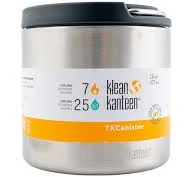
Klean Kanteen
Double Wall Vacuum Insulated Stainless Steel Food Canister Container with Leak Proof Lid
- Stainless steel body, silicone gasket lid seal
- The brand calls it PFAS-free, which we have not verified
- Silicone gasket degradation
3 hazards checked on this product. See all of them.
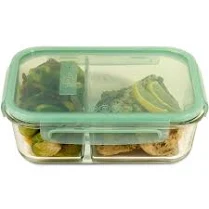
Snapware
Meal Box Glass
- borosilicate glass
- We found no PFAS statement from the brand
- Leaching from glass matrix or lid seals
2 hazards checked on this product. See all of them.
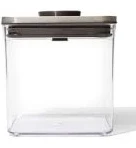
OXO
Steel Pop Big Square Short - 2.8 Qt/2.6 l
- Stainless steel container, no surface treatment
- Lid/gasket polymer leaching
3 hazards checked on this product. See all of them.
More lunch boxes grades
How we score, every product runs through the same public 0-100 rubric based on materials, coatings, brand disclosure, lab findings, and recalls. See the full methodology → Spotted a mistake? Report an error.