Tena · Incontinence Pads & Protection
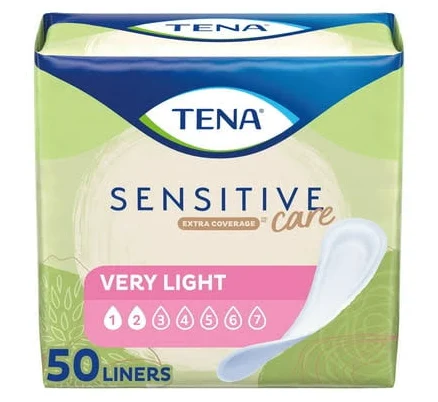
TENA Very Light
Lower concern. No known PFAS exposure route in period pads.
TENA Very Light is a period product using standard absorbent materials and nonwoven textiles. No water-resistance treatment or special coatings typical of PFAS applications are involved.
We flunk more products than we pass. This one earned its grade. How we grade
Material
absorbent core, nonwoven layers, adhesive
Brand disclosure
Brand is silent on PFAS
Lab data
No public lab test
What TENA Very Light is made of, ingredients and materials
TENA Very Light uses a standard three-layer construction, a thin nonwoven top sheet (polypropylene), an absorbent core (likely cellulose fluff pulp with superabsorbent polymer), and a waterproof backing layer (PE film or nonwoven). This configuration is industry-standard for light-flow pads and poses no known chemical leaching risks under normal vaginal contact conditions. The adhesive used is pressure-sensitive and not absorbed into skin or tissue, unlike topical cosmetics.
What’s concerning
Category baseline
The starting point for this type of product, before anything specific to this product is counted.
No PFAS disclosure
No public statement from the brand about PFAS in this product.
Fragrance additives and allergens
TENA Very Light is available in both scented and unscented versions. Fragrance compounds in the scented variant may trigger contact sensitization or irritation in users with fragrance sensitivity, though the ingredient list is not fully disclosed.
Adhesive skin contact and dermatitis
Pressure-sensitive adhesives can occasionally trigger contact irritation or allergic dermatitis in individuals with sensitive skin or adhesive sensitivity, though this is user-dependent rather than a product defect. Hypoallergenic or adhesive-free alternatives exist for susceptible users.
What’s reassuring
Base material not linked to PFAS
The main material recorded for this product is not one associated with PFAS.
Superabsorbent polymer (SAP) exposure
The core contains superabsorbent polymer (likely sodium polyacrylate), which is encapsulated within the pad structure and not known to leach or cause harm under normal use; no recalls or adverse-event reports link SAP in pads to systemic or local toxicity.
Chlorine residues from bleaching
Conventional pads are typically bleached with chlorine compounds; however, finished products are rinsed and no dioxin contamination has been detected in tested pads. The absorbent core material poses no reported chlorine exposure risk in clinical use.
Microplastic and nonwoven shedding
Nonwoven polypropylene layers are not designed to shed or break apart during use; no studies document microplastic release from intact pads under normal vaginal contact, and the product does not undergo heating that would accelerate degradation.
The full breakdown
The brand's record and disclosure
Tena (SCA/Essity) is a major Nordic manufacturer with a clean regulatory history in the US and EU; no recalls or safety controversies are on record for this product line. The brand does not publicly disclose detailed material sourcing or certification (e.g., no organic/chlorine-free claims), positioning it as a conventional product rather than a premium or eco-focused alternative. No formal statements on allergen testing or heavy-metal screening are available, though period-pad manufacturers are not required to conduct or disclose such testing.
How it compares in its category
TENA Very Light sits in the mainstream mass-market segment; it lacks certifications (organic, TCF/ECF bleaching, hypoallergenic) that some premium brands advertise but also avoids premium pricing. Compared to unbleached or certified alternatives, it offers no documented chemical advantage, but the absence of certification does not indicate higher hazard. For a light-flow pad, material thickness and absorbency are comparable to Kotex or Carefree equivalents.
If you buy it
Store in a cool, dry place away from direct sunlight to prevent adhesive degradation. Change every 4-6 hours or when saturated to prevent bacterial overgrowth (a hygiene issue, not a product defect). If you experience irritation, rash, or odor, discontinue use; sensitivity is typically to fragrance additives or individual skin reactivity rather than core materials. No special disposal precautions are needed beyond standard household waste.
What we don’t know
- Basis
- Model estimate, 72% confidence, not a lab result
- Lab test
- None on record for this exact product
- Brand statement
- Tena has made none
Formulations change between production runs, so check the current label. How we grade.
More incontinence pads & protection grades
How we score, every product runs through the same public 0-100 rubric based on materials, coatings, brand disclosure, lab findings, and recalls. See the full methodology → Spotted a mistake? Report an error.