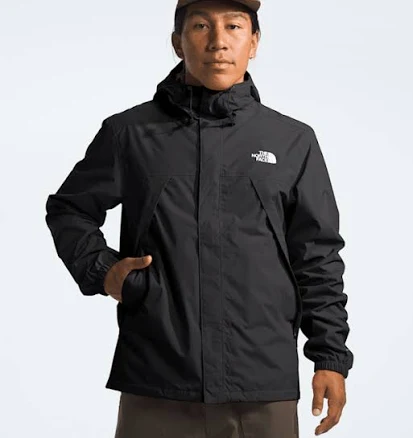
The North Face · Cycling Rain Jackets
Antora Jacket The North Face Men's
water-repellent coating treatment likely contains PFAS; brand provides no transparency.
The North Face does not disclose PFAS use in this jacket's water-repellent coating. Most outdoor jackets with water-repellent coating finishes rely on PFAS chemicals, though exact treatment unknown here.
Still want this one anyway? Check the price on Amazon. We’d swap it.
Material
Nylon with water-repellent coating water-repellent finish
Lab data
No public lab test
You may also be interested in
Top-graded picks in the categories readers replace first, every one scored on the same rubric.

- polypropylene filter housing, carbon/sediment cartridge
- We found no PFAS statement from the brand
- Bacterial growth in spent cartridges
3 hazards checked on this product, all on its full breakdown.

Aquasure
Premier Series 75 GPD Under Sink Reverse Osmosis Water Filtration System
- RO membrane, carbon filters, stainless steel housing
- We found no PFAS statement from the brand
- Bacterial and microbial growth in housing and filters
4 hazards checked on this product, all on its full breakdown.

Avocado
Vegan Mattress
- organic cotton, natural latex, coconut coir, recycled steel coils
- The brand calls it PFAS-free, which we have not verified
- Heavy metals
2 hazards checked on this product, all on its full breakdown.
What Antora Jacket The North Face Men's is made of, ingredients and materials
The Antora uses nylon fabric treated with a water-repellent coating (water-repellent coating) finish. Nylon itself is a synthetic polymer that is chemically stable during normal wear and does not naturally shed harmful compounds. The water-repellent coating treatment, however, is the source of concern, traditional water-repellent coating formulations rely on fluorinated compounds (PFAS) to create the water-resistant barrier. This treatment sits on the fabric surface and can degrade with washing and wear, potentially releasing treated particles.
What’s concerning
Waterproof / stain-resistant treatment
Water-repellent coating treatments have historically used PFAS.
Category baseline
The starting point for this type of product, before anything specific to this product is counted.
No PFAS disclosure
No public statement from the brand about PFAS in this product.
PFAS
Nylon jackets with traditional water-repellent coating coatings almost certainly contain PFAS compounds. The Antora's water-repellent treatment is engineered to shed water for years, which means fluorinated polymers are bonded to or embedded in the fabric surface. Wear and washing degrade this coating over time, potentially releasing microparticles and degradation products.
Source, ATSDR ↗Formaldehyde / VOCs
Nylon fabric finishes (including water-repellent coating but also any wrinkle resistance or softening agents) may contain trace formaldehyde releasers. The Antora does not carry formal OEKO-TEX certification that would rule this out; levels are unlikely to exceed regulatory thresholds for finished garments, but cannot be confirmed without lab analysis.
Source, ATSDR ↗Microplastic shedding from coating degradation
Water-repellent coating-coated synthetic textiles are known to shed microplastics when washed and worn. The Antora's nylon base and fluorinated water-repellent coating layer can fragment as the coating breaks down, releasing particles into laundry water and the environment. This is a general concern for all durable-coated synthetics, not unique to this brand.
Volatile organic compounds (VOCs) from manufacturing finish
Factory-applied water-repellent coating and other finish treatments may off-gas low levels of organic solvents or residual monomers in the first weeks of use, particularly if stored in warm conditions. Off-gassing is typically mild and temporary for finished garments, but sensitive individuals may detect chemical odor.
What’s reassuring
Azo dyes
No specific recalls or safety warnings for azo dyes have been documented for The North Face Antora or similar nylon jackets. Standard nylon apparel typically uses non-azo or regulated azo dyes that meet CPSIA and OEKO-TEX limits, though full dyestuff transparency is rarely disclosed.
How is this PFAS grade calculated?
The brand's record and disclosure
The North Face has not publicly committed to PFAS-free water-repellent coating alternatives or disclosed which PFAS chemistry is used in the Antora or other models. The brand has faced industry pressure to transition to non-fluorinated water repellents but has not announced a firm timeline or transparent supply-chain audit. No major recalls or safety violations specific to this jacket are on record, though the broader nylon-with-water-repellent coating category remains a known PFAS exposure vector in apparel.
How it compares in its category
Most mainstream outdoor jackets at this price and performance tier use PFAS-based water-repellent coating, making the Antora typical rather than exceptional for its category. Brands like Patagonia and some Arc'teryx lines have begun offering PFAS-free alternatives or transparency statements, but these often cost more or compromise water-shedding durability. The Antora's water-repellent coating performance is a trade-off, better short-term weather resistance versus longer-term chemical exposure concerns.
If you buy it
Wash infrequently and use cool water with gentle detergent to minimize water-repellent coating breakdown and leaching. Avoid dry-cleaning, which uses solvents that can mobilize water-repellent coating compounds. Do not wear it continuously in wet conditions where fabric saturation forces water through the coating. Replace or retire the jacket if the water-repellent coating noticeably fails (water no longer beads on the surface), as re-treating at home introduces further chemical exposure.
What is not known about PFAS in this product?
- Basis
- Model estimate, 45% confidence, not a lab result
- Lab test
- None on record for this exact product
- Brand statement
- The North Face has made a specific claim
Formulations change between production runs, so check the current label. How we grade.
What are the PFAS-free alternatives to Antora Jacket The North Face Men's?
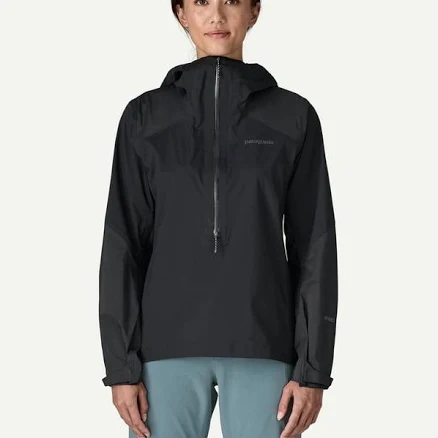
- polyester shell with water-repellent coating finish
- The brand calls it PFAS-free, which we have not verified
- Azo dyes and color fastness
4 hazards checked on this product, all on its full breakdown.
Find an alternative on Amazon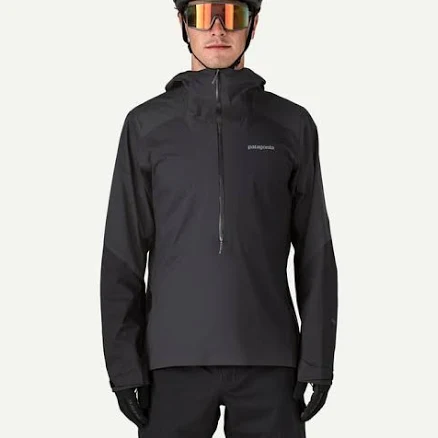
- nylon/polyester with water-repellent coating water treatment
- The brand calls it PFAS-free, which we have not verified
- PFAS
3 hazards checked on this product, all on its full breakdown.
Find an alternative on Amazon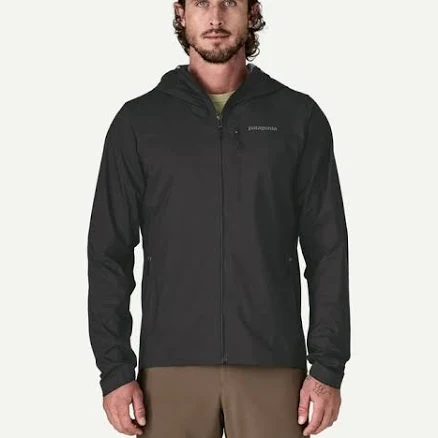
- Nylon with water-repellent coating water-repellent coating finish
- The brand calls it PFAS-free, which we have not verified
- water-repellent coating chemistry opacity (fluorinated vs. non-fluorinated)
3 hazards checked on this product, all on its full breakdown.
Find an alternative on AmazonMore cycling rain jackets grades
How we score, every product runs through the same public 0-100 rubric based on materials, coatings, brand disclosure, lab findings, and recalls. See the full methodology → Spotted a mistake? Report an error.