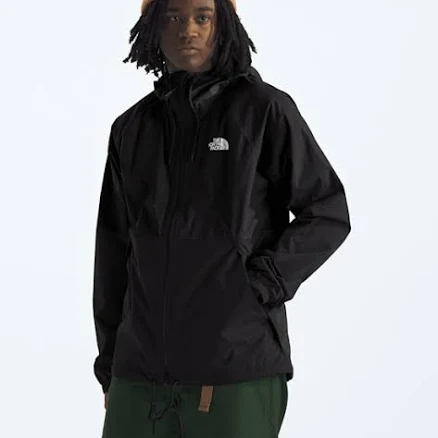
The North Face · Cycling Rain Jackets
Antora Rain Hoodie The North Face Men's
Rain hoodie with likely water-repellent coating; PFAS risk unclear, The North Face silent.
The North Face does not disclose PFAS-related information for this product. water-repellent coating-treated jackets commonly use fluorochemicals, but specific treatment type unknown.
Still want this one anyway? Check the price on Amazon. We’d swap it.
Material
nylon shell with water-repellent coating treatment
Lab data
No public lab test
You may also be interested in
Top-graded picks in the categories readers replace first, every one scored on the same rubric.

- polypropylene filter housing, carbon/sediment cartridge
- We found no PFAS statement from the brand
- Bacterial growth in spent cartridges
3 hazards checked on this product, all on its full breakdown.

Aquasure
Premier Series 75 GPD Under Sink Reverse Osmosis Water Filtration System
- RO membrane, carbon filters, stainless steel housing
- We found no PFAS statement from the brand
- Bacterial and microbial growth in housing and filters
4 hazards checked on this product, all on its full breakdown.

Avocado
Vegan Mattress
- organic cotton, natural latex, coconut coir, recycled steel coils
- The brand calls it PFAS-free, which we have not verified
- Heavy metals
2 hazards checked on this product, all on its full breakdown.
What Antora Rain Hoodie The North Face Men's is made of, ingredients and materials
The Antora uses a nylon shell (likely nylon 6 or 6,6) with a water-repellent coating (water-repellent coating) finish applied to the surface. The water-repellent coating is the chemical concern, most rain jackets use fluorinated water-repellent coating treatments to achieve water beading, and these almost certainly contain PFAS or PFAS-adjacent compounds (legacy or newer variants). Nylon fiber itself is chemically stable and does not off-gas formaldehyde or release heavy metals under normal wear, though it can degrade under prolonged UV exposure or high heat (above 140°C).
What’s concerning
Waterproof / stain-resistant treatment
Water-repellent coating treatments have historically used PFAS.
Category baseline
The starting point for this type of product, before anything specific to this product is counted.
No PFAS disclosure
No public statement from the brand about PFAS in this product.
PFAS
Nylon rain jackets almost universally use fluorinated water-repellent coating finishes, which contain PFAS or legacy PFAS compounds. The North Face has not disclosed the specific chemistry for the Antora. PFAS can leach from coatings during washing and wear, though dermal absorption from clothing is considered minimal compared to ingestion routes.
Source, ATSDR ↗Heavy metals
The Antora is available in multiple colors. Synthetic dyes used in nylon can occasionally include azo compounds (which break down to aniline dyes) or heavy metal mordants (e.g., chrome, cobalt). The North Face does not publicly specify dye chemistry. Risk is low for typical wear; leaching is negligible unless the jacket is heavily sweated in or repeatedly washed in very hot water.
Source, FDA ↗VOC off-gassing from synthetic fiber and coatings
New nylon jackets with fresh water-repellent coating treatment can emit low levels of volatile organic compounds (VOCs) as the coating cures. This typically resolves within days to weeks of airing out. Odor is often the primary indicator; off-gassing does not pose acute health risk at typical exposure levels.
What’s reassuring
Formaldehyde / VOCs
Nylon apparel and synthetic water-repellent coating treatments do not typically use formaldehyde-releasing resins (those are more common in cotton finishes). No evidence of formaldehyde risk in this product category.
Source, ATSDR ↗Nylon fiber degradation under heat or UV
Nylon itself is chemically inert and does not degrade into toxic byproducts under normal wear. Exposure to sustained high heat (above 140°C) or prolonged direct sunlight can cause yellowing and brittleness, but this does not create a health hazard. Normal laundering and storage pose no risk.
How is this PFAS grade calculated?
The brand's record and disclosure
The North Face has not made public commitments to PFAS elimination in their apparel lines, nor have they disclosed water-repellent coating chemistry for specific products like the Antora. The brand has faced criticism from environmental groups over PFAS use in outdoor gear but has not responded with reformulation timelines or transparency. No major recalls or health controversies on record for this specific model.
How it compares in its category
Most mainstream rain jackets (Columbia, Arc'teryx, Salomon, Patagonia) still use fluorinated water-repellent coating as standard; the Antora is not an outlier. Some brands (e.g., Paragon, Finisterre) now market PFAS-free alternatives, but they remain niche and more expensive. The Antora's nylon construction and basic water-repellent coating finish are typical for mid-range technical wear; the hazard profile is comparable to competitors in its price tier.
If you buy it
Wash sparingly in cool water with gentle detergent; avoid hot water, which may degrade the water-repellent coating and potentially release surface compounds. Do not dry-clean or tumble-dry on high heat. Re-apply commercial water-repellent coating wash-in treatments every 12-24 months as the factory coating wears; this means more chemical exposure over the product lifetime. Store in a cool, dry place away from direct heat. If PFAS in outdoor gear is a priority concern for you, consider products explicitly marketed as PFAS-free, though trade-offs in water-resistance or durability may apply.
What is not known about PFAS in this product?
- Basis
- Model estimate, 45% confidence, not a lab result
- Lab test
- None on record for this exact product
- Brand statement
- The North Face has made a specific claim
Formulations change between production runs, so check the current label. How we grade.
What are the PFAS-free alternatives to Antora Rain Hoodie The North Face Men's?
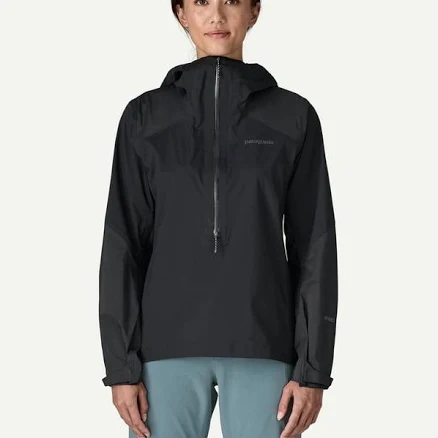
- polyester shell with water-repellent coating finish
- The brand calls it PFAS-free, which we have not verified
- Azo dyes and color fastness
4 hazards checked on this product, all on its full breakdown.
Find an alternative on Amazon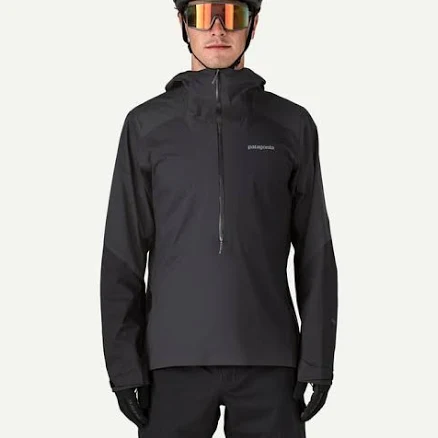
- nylon/polyester with water-repellent coating water treatment
- The brand calls it PFAS-free, which we have not verified
- PFAS
3 hazards checked on this product, all on its full breakdown.
Find an alternative on Amazon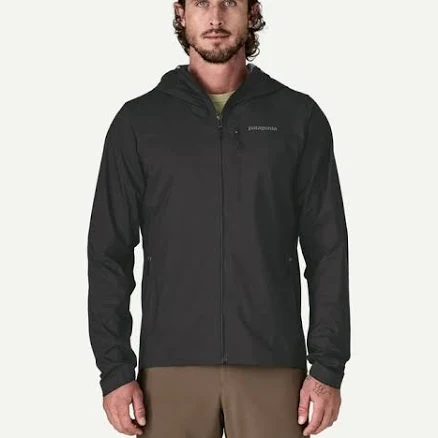
- Nylon with water-repellent coating water-repellent coating finish
- The brand calls it PFAS-free, which we have not verified
- water-repellent coating chemistry opacity (fluorinated vs. non-fluorinated)
3 hazards checked on this product, all on its full breakdown.
Find an alternative on AmazonMore cycling rain jackets grades
How we score, every product runs through the same public 0-100 rubric based on materials, coatings, brand disclosure, lab findings, and recalls. See the full methodology → Spotted a mistake? Report an error.