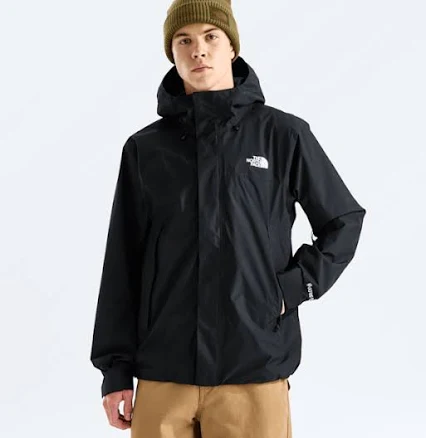
The North Face Men's All Terrain Gore-Tex Waterproof Jacket
High PFAS risk due to Gore-Tex, The North Face has not disclosed PFAS phaseout plans.
Gore-Tex waterproof membranes are historically Teflon-type coating-based Teflon-family coating, a known source of PFAS exposure. The North Face does not publicly claim PFAS-free status for this jacket.
Still want this one anyway? Check the price on Amazon. We’d swap it.
Material
Gore-Tex membrane (Teflon-type coating-based Teflon-family coating) with nylon shell
Lab data
No public lab test
You may also be interested in
Top-graded picks in the categories readers replace first, every one scored on the same rubric.

- polypropylene filter housing, carbon/sediment cartridge
- We found no PFAS statement from the brand
- Bacterial growth in spent cartridges
3 hazards checked on this product, all on its full breakdown.

Aquasure
Premier Series 75 GPD Under Sink Reverse Osmosis Water Filtration System
- RO membrane, carbon filters, stainless steel housing
- We found no PFAS statement from the brand
- Bacterial and microbial growth in housing and filters
4 hazards checked on this product, all on its full breakdown.

Avocado
Vegan Mattress
- organic cotton, natural latex, coconut coir, recycled steel coils
- The brand calls it PFAS-free, which we have not verified
- Heavy metals
2 hazards checked on this product, all on its full breakdown.
What The North Face Men's All Terrain Jacket is made of, ingredients and materials
This jacket uses Gore-Tex, a microporous expanded Teflon-type coating (polytetrafluoroethylene) membrane laminated to a nylon shell. Teflon-type coating itself is chemically inert once cured, but Gore-Tex manufacture historically requires PFAS-based surfactants and processing aids, creating PFAS residue in the finished fabric. The nylon shell is dyed and may contain residual processing chemicals. Gore-Tex's waterproofing durability depends on maintaining the membrane integrity; degradation can increase microfiber shedding.
What’s concerning
Category baseline
The starting point for this type of product, before anything specific to this product is counted.
No PFAS disclosure
No public statement from the brand about PFAS in this product.
Waterproof / stain-resistant treatment
Water-repellent coating treatments have historically used PFAS.
Teflon-type coating membrane off-gassing / inhalation risk
Cured Teflon-type coating is stable at normal wearing temperatures, but heat (dryer, direct sun, steam) can release volatile fluorinated compounds. Acute exposure risk is low in typical use; chronic low-level exposure from worn jackets has not been quantified in peer-reviewed studies specific to consumers.
Microfiber shedding from membrane and nylon
Degradation of Gore-Tex laminates and nylon shells releases microplastics during washing and wear, especially if seams delaminate or the membrane cracks. Microfiber shed from Gore-Tex and nylon enters wastewater; ecological impact is established, though human health risk from ingestion remains under investigation.
Seam tape adhesive leachables
Seam tapes are typically polyurethane-based adhesives; if exposed (tape peeling), trace polyols or isocyanate residues may leach in wet conditions. This is a product durability issue rather than a design safety flaw, and documented cases in rain jackets are rare.
What’s reassuring
Heavy metals
The North Face nylon textiles are typically dyed with azo dyes and disperse dyes; no specific recalls or test data indicating heavy metal contamination (e.g., lead, chromium) in this product line are on public record. Standard industry testing under bluesign certification covers restricted substance lists.
Source, FDA ↗Formaldehyde / VOCs
Modern Gore-Tex production does not routinely use formaldehyde-based resins for water-repellency; these are replaced by PFAS alternatives. No specific formaldehyde warnings have been issued for this product or brand.
Source, ATSDR ↗How is this PFAS grade calculated?
The brand's record and disclosure
The North Face has not published PFAS reduction commitments or phaseout timelines despite Gore-Tex's known PFAS content. The brand holds bluesign certification for some product lines, which restricts certain hazardous chemicals but does not specifically address PFAS in technical membranes. No public recalls or safety advisories specific to this jacket model are on record. The brand's silence on PFAS in waterproof gear is typical industry-wide but limits transparency.
How it compares in its category
Gore-Tex jackets occupy the premium performance segment and are among the most PFAS-intensive rain jackets due to membrane technology. Polyurethane-based waterproof alternatives (e.g.from Patagonia, Arc'teryx) generally have lower PFAS concern but water-repellent coating finishes often use fluorinated compounds. Budget nylon jackets with silicone or wax coatings avoid Teflon-type coating but sacrifice breathability and longevity. This North Face model represents the established industry standard for performance; PFAS content is a structural feature, not a manufacturing flaw.
If you buy it
Avoid heating the jacket in a dryer; heat accelerates Teflon-type coating off-gassing (though laboratory evidence of harm from wearing cured Gore-Tex is lacking). Wash separately and infrequently to reduce microfiber release; use cool water and mild detergent without bleach, which can degrade the membrane. Inspect seam tape and membrane for peeling or delamination annually; replace if major damage occurs. Store dry and away from direct heat to extend membrane life and minimize degradation exposure.
What is not known about PFAS in this product?
- Basis
- Model estimate, 45% confidence, not a lab result
- Lab test
- None on record for this exact product
- Brand statement
- The North Face has made a specific claim
Formulations change between production runs, so check the current label. How we grade.
More rain jackets grades
How we score, every product runs through the same public 0-100 rubric based on materials, coatings, brand disclosure, lab findings, and recalls. See the full methodology → Spotted a mistake? Report an error.