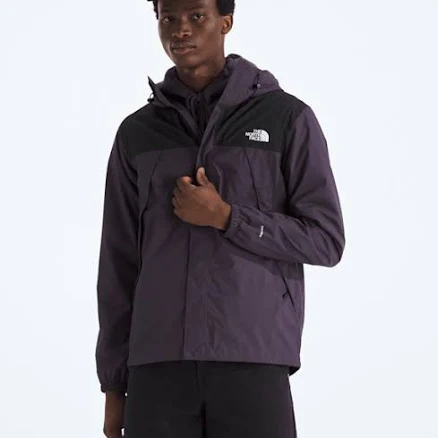
The North Face Men's Antora Jacket
Higher concern due to water-repellent coating treatment without disclosed chemistry.
The Antora Jacket has a polyester shell with a water-repellent coating treatment. The chemistry of the water-repellent coating treatment is not stated. The North Face has no PFAS statement on record for this product.
Still want this one anyway? Check the price on Amazon. We’d swap it.
Material
Polyester shell with water-repellent coating (water-repellent coating) treatment
Lab data
No public lab test
You may also be interested in
Top-graded picks in the categories readers replace first, every one scored on the same rubric.

- polypropylene filter housing, carbon/sediment cartridge
- We found no PFAS statement from the brand
- Bacterial growth in spent cartridges
3 hazards checked on this product, all on its full breakdown.

Aquasure
Premier Series 75 GPD Under Sink Reverse Osmosis Water Filtration System
- RO membrane, carbon filters, stainless steel housing
- We found no PFAS statement from the brand
- Bacterial and microbial growth in housing and filters
4 hazards checked on this product, all on its full breakdown.

Avocado
Vegan Mattress
- organic cotton, natural latex, coconut coir, recycled steel coils
- The brand calls it PFAS-free, which we have not verified
- Heavy metals
2 hazards checked on this product, all on its full breakdown.
What The North Face Men's Antora Jacket is made of, ingredients and materials
The Antora uses a polyester shell, which is inherently stable and does not leach BPA, phthalates, or microplastics under normal wear. The critical component is the water-repellent coating (water-repellent coating) finish applied to the fabric surface. water-repellent coating coatings have historically relied on PFAS chemistry to achieve water repellency; The North Face does not publicly specify whether this jacket uses PFAS-based or fluorine-free water-repellent coating formulations. Over time, water-repellent coating coatings degrade and require reapplication, which reintroduces the same chemical exposure cycle.
What’s concerning
Category baseline
The starting point for this type of product, before anything specific to this product is counted.
No PFAS disclosure
No public statement from the brand about PFAS in this product.
Waterproof / stain-resistant treatment
Water-repellent coating treatments have historically used PFAS.
water-repellent coating (water-repellent coating) coating chemistry
Standard polyester rain jackets almost universally employ PFAS-based water-repellent coating; The North Face has not disclosed whether the Antora uses PFAS-free alternatives. water-repellent coating degrades and must be reapplied, repeating chemical exposure over the garment's lifetime.
Coating degradation and microplastic shedding
As water-repellent coating coatings wear and flake off during washing and use, they may shed microscopic particles. The extent of microplastic release from polyester rain jackets is not well quantified, but prolonged shedding into wastewater is plausible with repeated laundering and weathering.
What’s reassuring
Formaldehyde / VOCs
No recalls or specific reports of formaldehyde contamination in The North Face Antora. Polyester rain jackets from established brands typically comply with OEKO-TEX or similar standards that limit formaldehyde; however, The North Face does not advertise third-party testing for this product line.
Source, ATSDR ↗Azo dyes and color fastness
The Antora is available in multiple colors; no documented azo dye violations or heavy metal contamination from color pigments specific to this model. The North Face does not disclose dye sourcing or compliance with restricted substance lists (RSLs).
Membrane or backing material leachables
The Antora uses a polyester-based backing or membrane (exact composition not disclosed). No established reports of leaching from The North Face jackets. Polyester backings are generally considered inert under normal wear, but quality control and material sourcing transparency are absent.
How is this PFAS grade calculated?
The brand's record and disclosure
The North Face has not published a formal PFAS elimination roadmap or ingredient transparency for water-repellent coating treatments across its product line. The brand does not provide technical datasheets or third-party certifications (e.g., OEKO-TEX, bluesign) for the Antora specifically. This silence is typical among mainstream outerwear brands and reflects industry-wide avoidance of chemical disclosure rather than malice, but it leaves consumers without actionable information to differentiate this product from alternatives.
How it compares in its category
The Antora occupies the mid-premium rain jacket segment. Competitors like Arc'teryx and Patagonia similarly use polyester shells with water-repellent coating finishes and also do not routinely disclose PFAS status, though Patagonia has made limited commitments to phasing PFAS in some product lines by specific dates. Budget rain jackets often have thinner coatings that degrade faster, requiring more frequent reapplication and reintroduction of water-repellent coating chemicals. Higher-end alternatives using wax or silicone-based water repellents exist but are less common and typically more expensive.
If you buy it
Wash in cold water with mild detergent and avoid fabric softeners, which compromise water-repellent coating efficacy and may trap chemical residues. Do not machine dry; air dry only, as heat can accelerate water-repellent coating breakdown. Expect to retreat the jacket every 1-2 years of regular use using commercial water-repellent coating products or professional recoating services, each reapplication reintroduces the same chemical exposure. If environmental or personal PFAS exposure is a priority, research fluorine-free water-repellent coating retreat products or consider alternatives with mechanical water barriers (e.g., sealed seams, thicker membranes) that do not rely on chemical repellency.
What is not known about PFAS in this product?
- Basis
- Model estimate, 45% confidence, not a lab result
- Lab test
- None on record for this exact product
- Brand statement
- The North Face has made a specific claim
Formulations change between production runs, so check the current label. How we grade.
More rain jackets grades
How we score, every product runs through the same public 0-100 rubric based on materials, coatings, brand disclosure, lab findings, and recalls. See the full methodology → Spotted a mistake? Report an error.