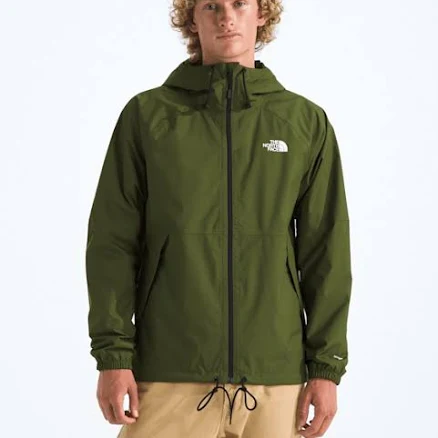
The North Face Men's Antora Rain Hoodie
water-repellent coating-coated rain jacket with no public PFAS disclosure, seek brand clarification.
The Antora Rain Hoodie uses a water-repellent coating finish typical of technical rain apparel, historically associated with fluorochemical treatments. The North Face has not disclosed PFAS content or made PFAS-free claims.
Still want this one anyway? Check the price on Amazon. We’d swap it.
Material
Nylon ripstop with water-repellent coating finish
Lab data
No public lab test
You may also be interested in
Top-graded picks in the categories readers replace first, every one scored on the same rubric.

- polypropylene filter housing, carbon/sediment cartridge
- We found no PFAS statement from the brand
- Bacterial growth in spent cartridges
3 hazards checked on this product, all on its full breakdown.

Aquasure
Premier Series 75 GPD Under Sink Reverse Osmosis Water Filtration System
- RO membrane, carbon filters, stainless steel housing
- We found no PFAS statement from the brand
- Bacterial and microbial growth in housing and filters
4 hazards checked on this product, all on its full breakdown.

Avocado
Vegan Mattress
- organic cotton, natural latex, coconut coir, recycled steel coils
- The brand calls it PFAS-free, which we have not verified
- Heavy metals
2 hazards checked on this product, all on its full breakdown.
What The North Face Men's Antora Rain Hoodie is made of, ingredients and materials
The Antora uses nylon ripstop fabric, a lightweight woven synthetic chosen for tear and abrasion resistance in rain jackets. The water-repellent coating (water-repellent coating) finish applied to the outer layer is the primary chemical concern, most commercial water-repellent coating coatings historically relied on PFAS compounds like C8 (PFOA), though some brands have shifted to PFAS-free alternatives. The North Face has not publicly disclosed which water-repellent coating chemistry is used in this specific model, making independent verification impossible without direct contact with the brand.
What’s concerning
Category baseline
The starting point for this type of product, before anything specific to this product is counted.
No PFAS disclosure
No public statement from the brand about PFAS in this product.
Waterproof / stain-resistant treatment
Water-repellent coating treatments have historically used PFAS.
PFAS
Nylon rain jackets commonly use PFAS-based water-repellent coating coatings; no public disclosure from The North Face on whether this model uses legacy PFAS, newer C6, or PFAS-free alternatives. Brand silence on water-repellent coating supplier elevates concern from hypothetical to actionable consumer question.
Source, ATSDR ↗VOC or off-gassing from synthetic fibers and adhesives
New nylon jackets may emit low levels of volatile compounds during initial use, particularly if seams are taped with synthetic adhesives. Airing out the garment before first wear and washing reduces odor; no health incidents have been reported for this specific product.
water-repellent coating degradation and microparticle release
As water-repellent coating finish wears, it can shed fine particles into wash water. The risk is environmental (PFAS leaching into waterways) rather than dermal, but repeated re-application increases cumulative exposure to whatever chemistry is used.
What’s reassuring
Formaldehyde / VOCs
Nylon ripstop itself does not typically require formaldehyde-releasing finishes (those are common in cotton). No established reports of formaldehyde hazards specific to The North Face Antora or similar nylon rain jackets.
Source, ATSDR ↗Azo dyes or antimony in polyester
This product uses nylon (not polyester), so antimony is not a concern. Azo dyes in nylon ripstop are possible but not documented as a reported issue for this brand or category.
How is this PFAS grade calculated?
The brand's record and disclosure
The North Face (owned by VF Corporation) has not made industry-leading commitments on PFAS elimination comparable to some outdoor competitors (e.g., Patagonia's PFOA phase-out statements). The brand does not publish detailed material safety data sheets or water-repellent coating supplier information for consumer review. No major product recalls or documented health incidents specific to this hoodie have been reported, but the lack of transparency on water-repellent coating chemistry is a gap in consumer trust.
How it compares in its category
Most mainstream rain jackets (The North Face, Columbia, Salomon) use nylon ripstop with water-repellent coating finishes and share the same PFAS disclosure limitation. Brands explicitly marketing PFAS-free water-repellent coating (e.g., Patagonia with C6 or fluorine-free systems, some Fjallraven models) are rarer and typically cost more. The Antora is mid-tier in both price and chemical transparency; it is not an outlier for poor practice within its segment, but not a leader in disclosure either.
If you buy it
Wash the jacket in cool water with mild detergent before first wear to reduce any loose finish residues. Avoid machine drying or high heat, which can degrade the water-repellent coating and potentially release fumes from degrading synthetic fibers. Re-apply water-repellent coating treatment (via commercial spray or wash-in products) every 1-2 years as water repellency decreases with wear. Consider contacting The North Face directly to ask which water-repellent coating chemistry is used in your specific model year if PFAS exposure is a personal health priority.
What is not known about PFAS in this product?
- Basis
- Model estimate, 45% confidence, not a lab result
- Lab test
- None on record for this exact product
- Brand statement
- The North Face has made a specific claim
Formulations change between production runs, so check the current label. How we grade.
More rain jackets grades
How we score, every product runs through the same public 0-100 rubric based on materials, coatings, brand disclosure, lab findings, and recalls. See the full methodology → Spotted a mistake? Report an error.