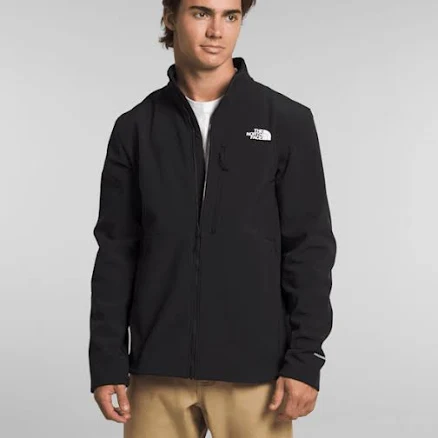
The North Face Men's Apex Bionic 3 Softshell Jacket
Moderate PFAS risk due to water-repellent coating treatment, The North Face provides no disclosure.
The Apex Bionic 3 uses a water-repellent coating typical of performance softshells, historically reliant on PFOA and PFAS-based chemistry. The North Face does not publicly disclose whether this jacket uses PFAS-free water-repellent coating.
Still want this one anyway? Check the price on Amazon. We’d swap it.
Material
Polyester softshell with water-repellent coating (water-repellent coating) coating
Lab data
No public lab test
You may also be interested in
Top-graded picks in the categories readers replace first, every one scored on the same rubric.

- polypropylene filter housing, carbon/sediment cartridge
- We found no PFAS statement from the brand
- Bacterial growth in spent cartridges
3 hazards checked on this product, all on its full breakdown.

Aquasure
Premier Series 75 GPD Under Sink Reverse Osmosis Water Filtration System
- RO membrane, carbon filters, stainless steel housing
- We found no PFAS statement from the brand
- Bacterial and microbial growth in housing and filters
4 hazards checked on this product, all on its full breakdown.

Avocado
Vegan Mattress
- organic cotton, natural latex, coconut coir, recycled steel coils
- The brand calls it PFAS-free, which we have not verified
- Heavy metals
2 hazards checked on this product, all on its full breakdown.
What The North Face Men's Apex Softshell Jacket is made of, ingredients and materials
The Apex Bionic 3 is constructed from polyester with a water-repellent coating (water-repellent coating) topcoat. water-repellent coating treatments historically relied on perfluorinated chemicals (PFAS) to achieve water beading; while some brands have moved to non-fluorinated alternatives, The North Face has not publicly disclosed which chemistry is used in this jacket. Polyester itself is stable and does not leach plasticizers or BPA under normal wear conditions.
What’s concerning
Category baseline
The starting point for this type of product, before anything specific to this product is counted.
No PFAS disclosure
No public statement from the brand about PFAS in this product.
Waterproof / stain-resistant treatment
Water-repellent coating treatments have historically used PFAS.
PFAS
Water-repellent finishes on softshell jackets commonly use perfluorinated compounds. The North Face provides no disclosure of water-repellent coating chemistry for the Apex Bionic 3, making PFAS presence probable but unconfirmed.
Source, ATSDR ↗Microfiber shedding from polyester
Polyester textiles shed microfibers during washing and wear. While not a direct toxicology hazard to the wearer, accumulated microfibers in wastewater and aquatic ecosystems are an environmental concern, particularly if the water-repellent coating fragments.
Coating degradation and leaching
Water-repellent coating coatings break down over time and with repeated washing. As the topcoat deteriorates, underlying polyester may shed residual fluorochemicals into water, while the polyester itself is not a material linked to PFAS. Longevity and replacement intervals directly affect total PFAS exposure risk.
What’s reassuring
Formaldehyde / VOCs
No public record of formaldehyde-based finishes in The North Face softshells. Polyester and water-repellent coating coatings do not typically require formaldehyde crosslinkers, though some textile dyes or resins may contain trace amounts; none reported for this model.
Source, ATSDR ↗Azo dyes or antimony in polyester
The North Face sources polyester through established suppliers; no recalls or reports of restricted azo dyes or antimony contamination in Apex Bionic jackets. The brand is not known for uncontrolled dyeing practices.
How is this PFAS grade calculated?
The brand's record and disclosure
The North Face has not published a PFAS elimination roadmap or fluorochemical disclosure policy comparable to competitors like Patagonia or Arc'teryx. The company has faced environmental scrutiny over supply-chain practices but maintains no public commitment to phasing out PFAS in apparel. Without direct communication to consumers about water-repellent coating chemistry, the PFAS content of this specific jacket remains unknown.
How it compares in its category
Softshell rain jackets routinely use water-repellent coating coatings; most major brands (Columbia, Salomon, REI Co-op) offer models with either PFAS-based or emerging non-fluorinated alternatives without always clarifying which. The North Face's silence on this choice places it at the middle-to-lower end of category transparency. Brands that explicitly certify PFAS-free water-repellent coating (via bluesign or Oeko-Tex STANDARD 100) offer clearer assurance.
If you buy it
Wash separately on gentle cycles to minimize shedding of microfibers and any coating particles. Avoid high heat (no dryer; air dry only) to preserve the water-repellent coating finish and prevent degradation that could expose base polyester. Reapply water-repellent coating treatments periodically with commercial products or wash-in treatments; many aftermarket water-repellent coating boosters are also PFAS-based, so research alternatives labeled PFAS-free if that is a priority. Replace if seams fail or coating visibly peels, as compromised waterproofing may lead to interior moisture and mold growth.
What is not known about PFAS in this product?
- Basis
- Model estimate, 45% confidence, not a lab result
- Lab test
- None on record for this exact product
- Brand statement
- The North Face has made a specific claim
Formulations change between production runs, so check the current label. How we grade.
More rain jackets grades
How we score, every product runs through the same public 0-100 rubric based on materials, coatings, brand disclosure, lab findings, and recalls. See the full methodology → Spotted a mistake? Report an error.