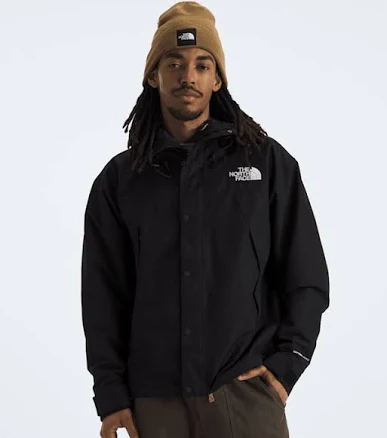
The North Face Men's DryVent Mono Mountain Jacket
Skip unless The North Face discloses water-repellent coating chemistry, DryVent's treatment raises PFAS risk.
The North Face does not publicly disclose whether DryVent's water-repellent coating contains PFAS. Most legacy water-repellent coating treatments use fluorinated chemistry.
Still want this one anyway? Check the price on Amazon. We’d swap it.
Material
Nylon DryVent™ waterproof-breathable membrane with water-repellent coating treatment
Lab data
No public lab test
You may also be interested in
Top-graded picks in the categories readers replace first, every one scored on the same rubric.

- polypropylene filter housing, carbon/sediment cartridge
- We found no PFAS statement from the brand
- Bacterial growth in spent cartridges
3 hazards checked on this product, all on its full breakdown.

Aquasure
Premier Series 75 GPD Under Sink Reverse Osmosis Water Filtration System
- RO membrane, carbon filters, stainless steel housing
- We found no PFAS statement from the brand
- Bacterial and microbial growth in housing and filters
4 hazards checked on this product, all on its full breakdown.

Avocado
Vegan Mattress
- organic cotton, natural latex, coconut coir, recycled steel coils
- The brand calls it PFAS-free, which we have not verified
- Heavy metals
2 hazards checked on this product, all on its full breakdown.
What The North Face Men's Mountain Jacket is made of, ingredients and materials
The DryVent Mono Mountain Jacket is constructed from nylon with a proprietary waterproof-breathable membrane and a water-repellent coating (water-repellent coating) topcoat. DryVent itself is a laminate designed to shed water while allowing vapor transmission. The water-repellent coating finish is applied to the outer nylon to enhance water shedding but this treatment's exact chemical composition is not publicly disclosed by The North Face, creating uncertainty about potential persistent organic pollutants (PFAS or alternatives) in the coating.
What’s concerning
Category baseline
The starting point for this type of product, before anything specific to this product is counted.
No PFAS disclosure
No public statement from the brand about PFAS in this product.
Waterproof / stain-resistant treatment
Water-repellent coating treatments have historically used PFAS.
water-repellent coating degradation and re-treatment exposure
As the water-repellent coating treatment wears, water-shedding declines and may lead users to re-treat with commercial products containing unknown or potentially higher-PFAS formulations, creating secondary exposure risk not inherent to the original jacket.
Nylon microfiber shedding during washing and wear
Nylon textiles shed microfibers into washing water and the environment during abrasion; this is a general property of the material class and not specific to DryVent, but jackets worn in harsh conditions or washed frequently will shed more than alternatives.
PFAS
The coating's exact chemical identity remains proprietary; while DryVent membranes have no hazard of this kind on record, the water-repellent coating layer's composition is not transparent, preventing independent assessment of whether it contains legacy PFAS, newer fluorocarbon alternatives, or siloxane-based repellents.
Source, ATSDR ↗What’s reassuring
Formaldehyde / VOCs
No specific formaldehyde resin residues have been reported in DryVent products; nylon itself does not require formaldehyde-based finishing, though some technical apparel may contain trace resins in dye or sizing.
Source, ATSDR ↗Azo dyes or restricted colorant toxins
The North Face generally adheres to Bluesign and similar restrictions on banned azo dyes in its apparel lines; no recalls or detected violations specific to this jacket model are on record.
How is this PFAS grade calculated?
The brand's record and disclosure
The North Face has not published transparent disclosure of water-repellent coating chemistry for DryVent products despite growing industry pressure on PFAS use in outdoor apparel. The company has made limited public commitments to phasing out specific PFAS but has not provided timelines or alternatives for core waterproof-breathable lines. No major recalls or established safety incidents specific to DryVent jackets have been documented in public health databases, though the lack of chemical transparency itself represents a disclosure gap.
How it compares in its category
Rain jackets in this segment typically use either Teflon-type coating-based membranes (Gore-Tex, older DryVent) or newer PFAS-alternative chemistries (some Patagonia, Arc'teryx, Mammut products now label fluorocarbon-free options). DryVent occupies a middle market position and is considered durable and effective, but competitors increasingly disclose their water-repellent coating treatments or offer certified PFAS-free alternatives. The North Face's silence on DryVent chemistry puts it behind more transparent competitors in this category.
If you buy it
Wash the jacket according to label instructions using mild soap and avoid high heat dryers, which can degrade the membrane and water-repellent coating prematurely. water-repellent coating treatments naturally degrade over 2-3 years of regular use; re-treatment products exist but their chemistry should be checked before purchase. Store in a cool, dry place away from direct sunlight to slow membrane degradation. At end of life, contact The North Face's recycling program rather than landfilling, as membrane and coating disposal pathways matter given unknown water-repellent coating composition.
What is not known about PFAS in this product?
- Basis
- Model estimate, 45% confidence, not a lab result
- Lab test
- None on record for this exact product
- Brand statement
- The North Face has made a specific claim
Formulations change between production runs, so check the current label. How we grade.
More rain jackets grades
How we score, every product runs through the same public 0-100 rubric based on materials, coatings, brand disclosure, lab findings, and recalls. See the full methodology → Spotted a mistake? Report an error.