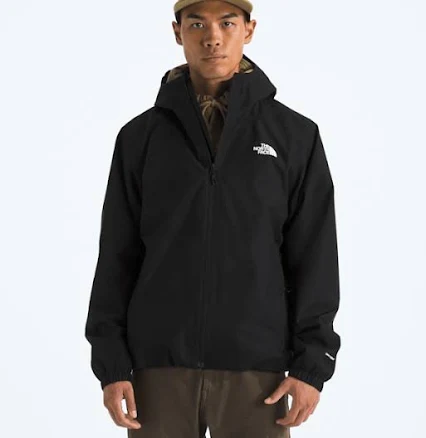
The North Face Men's Quest Mono Jacket
Skip until The North Face discloses water-repellent coating chemistry or switches to PFAS-free treatments.
The Quest Mono Jacket uses a standard water-repellent coating finish typical of outdoor apparel, but The North Face does not publicly disclose whether it contains PFAS-based or non-PFAS repellents. The brand has not made PFAS-free claims.
Still want this one anyway? Check the price on Amazon. We’d swap it.
Material
Nylon shell with water-repellent coating (water-repellent coating) finish
Lab data
No public lab test
You may also be interested in
Top-graded picks in the categories readers replace first, every one scored on the same rubric.

- polypropylene filter housing, carbon/sediment cartridge
- We found no PFAS statement from the brand
- Bacterial growth in spent cartridges
3 hazards checked on this product, all on its full breakdown.

Aquasure
Premier Series 75 GPD Under Sink Reverse Osmosis Water Filtration System
- RO membrane, carbon filters, stainless steel housing
- We found no PFAS statement from the brand
- Bacterial and microbial growth in housing and filters
4 hazards checked on this product, all on its full breakdown.

Avocado
Vegan Mattress
- organic cotton, natural latex, coconut coir, recycled steel coils
- The brand calls it PFAS-free, which we have not verified
- Heavy metals
2 hazards checked on this product, all on its full breakdown.
What The North Face Men's Quest Mono Jacket is made of, ingredients and materials
The Quest Mono uses a nylon shell, typically 100% polyamide, treated with a water-repellent coating (water-repellent coating) finish to shed water without pooling. water-repellent coating coatings historically relied on long-chain PFAS (perfluorooctanoic acid, PFOS) or similar fluorochemicals; newer alternatives exist but manufacturers rarely disclose which. Nylon itself is stable and does not leach hazardous monomers under normal wear, making the water-repellent coating treatment the primary chemical exposure vector for this product.
What’s concerning
Category baseline
The starting point for this type of product, before anything specific to this product is counted.
No PFAS disclosure
No public statement from the brand about PFAS in this product.
Waterproof / stain-resistant treatment
Water-repellent coating treatments have historically used PFAS.
water-repellent coating composition (fluorochemical unknown)
The product uses an undisclosed water-repellent coating finish typical of nylon rain jackets. Long-chain PFAS (PFOS, PFOA) or their replacements may be present; dermal absorption during wear is minimal, but washing and eventual disposal could release these compounds to wastewater. No alternative fluorine-free water-repellent coating has been confirmed for this model.
Nylon fiber shedding and microplastic release
Synthetic nylon jackets shed microfibers during normal washing and wear; this is a category-wide concern, not specific to The North Face. Wearing and laundering generates nanoscale to micrometer-scale fragments that enter wastewater. No data exists on North Face garment shedding rates compared to competitors.
What’s reassuring
Formaldehyde / VOCs
Nylon does not require formaldehyde-based dyes or wrinkle-resist finishes. No reports of formaldehyde contamination in this jacket or similar North Face nylon shells have been documented in public safety databases.
Source, ATSDR ↗Heavy metals
The Quest Mono's solid color construction (typically black, grey, navy) suggests standard disperse or acid dyes on polyamide, which are regulated under EU and REACH standards. The North Face does not use suppliers known for azo dye violations. No heavy metal contamination has been reported for this product line.
Source, FDA ↗Antimony in polyester trim or hardware
This jacket is nylon-based, not polyester. Metal hardware (zippers, snaps) is not typically a source of antimony leaching under normal wear. No contamination reports exist for North Face hardware in this category.
How is this PFAS grade calculated?
The brand's record and disclosure
The North Face has not published a transparent water-repellent coating chemistry statement for consumer products, nor have they committed publicly to PFAS-free water repellency across their apparel line. The brand has faced general corporate pressure on PFAS use but remains non-committal on this specific jacket. No recalls or toxicity incidents are on record for this model, and the jacket carries no third-party eco-certifications that would guarantee water-repellent coating safety.
How it compares in its category
Most mainstream rain jackets from major brands (Arc'teryx, Patagonia, Columbia) likewise use conventional water-repellent coating but increasingly label it or commit to PFAS alternatives. Patagonia has disclosed a shift to PFC-free water-repellent coating on some lines; The North Face has not matched this transparency. Budget and mid-tier competitors often use untreated nylon or silicone-based coatings, which avoid PFAS but sacrifice durability and water-shedding performance.
If you buy it
Wash separately in cool to warm water to minimize shedding of water-repellent coating particles; avoid chlorine bleach and fabric softeners, which degrade water-repellent coating. Do not dry-clean or tumble-dry on high heat, as excess heat can potentially volatilize trace fluorochemicals if present. Expect water-repellent coating performance to decline after 30-50 washes; professional reapplication is available but will reintroduce the same unknown water-repellent coating chemistry. If PFAS exposure is a concern, contact The North Face customer service to request water-repellent coating material specification before purchase.
What is not known about PFAS in this product?
- Basis
- Model estimate, 45% confidence, not a lab result
- Lab test
- None on record for this exact product
- Brand statement
- The North Face has made a specific claim
Formulations change between production runs, so check the current label. How we grade.
More rain jackets grades
How we score, every product runs through the same public 0-100 rubric based on materials, coatings, brand disclosure, lab findings, and recalls. See the full methodology → Spotted a mistake? Report an error.