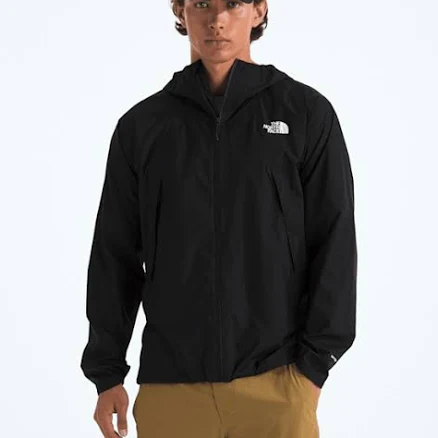
The North Face Men's Ridgelite Waterproof Rain Jacket
Skip until The North Face discloses water-repellent coating chemistry or switches to PFAS-free alternatives.
The North Face does not publicly disclose the fluorochemical composition of the Ridgelite's water-repellent coating. water-repellent coating-treated outdoor jackets commonly use PFAS-based treatments.
Still want this one anyway? Check the price on Amazon. We’d swap it.
Material
Nylon shell with water-repellent coating (water-repellent coating) treatment
Lab data
No public lab test
You may also be interested in
Top-graded picks in the categories readers replace first, every one scored on the same rubric.

- polypropylene filter housing, carbon/sediment cartridge
- We found no PFAS statement from the brand
- Bacterial growth in spent cartridges
3 hazards checked on this product, all on its full breakdown.

Aquasure
Premier Series 75 GPD Under Sink Reverse Osmosis Water Filtration System
- RO membrane, carbon filters, stainless steel housing
- We found no PFAS statement from the brand
- Bacterial and microbial growth in housing and filters
4 hazards checked on this product, all on its full breakdown.

Avocado
Vegan Mattress
- organic cotton, natural latex, coconut coir, recycled steel coils
- The brand calls it PFAS-free, which we have not verified
- Heavy metals
2 hazards checked on this product, all on its full breakdown.
What The North Face Men's Ridgelite Rain Jacket is made of, ingredients and materials
The Ridgelite uses a nylon shell fabric treated with a water-repellent coating (water-repellent coating) coating, standard for waterproof rain jackets. water-repellent coating treatments have historically relied on PFAS "forever chemicals" (PFAS) to achieve water-shedding properties, though some manufacturers now offer alternatives with lower PFAS concern. The North Face has not publicly disclosed the specific chemistry of their water-repellent coating formulation on this model. Nylon itself is inert and low-risk; the concern centers on the treatment applied to it.
What’s concerning
Category baseline
The starting point for this type of product, before anything specific to this product is counted.
No PFAS disclosure
No public statement from the brand about PFAS in this product.
Waterproof / stain-resistant treatment
Water-repellent coating treatments have historically used PFAS.
PFAS
The specific PFAS compound in this jacket's water-repellent coating is not disclosed by The North Face. Conventional nylon rain jackets typically use C8 or shorter-chain PFAS, which persist in the environment and bioaccumulate; exposure during wear is minimal, but end-of-life disposal contributes to environmental accumulation.
Source, ATSDR ↗Nylon microfiber shedding
Washing nylon shells releases microfibers that pass through wastewater treatment and enter aquatic ecosystems. This is not unique to The North Face but is an inherent risk of synthetic rain jackets; use a microfiber-catching laundry bag to reduce shedding.
Volatile organic compounds (VOCs) off-gassing
New nylon jackets may emit low levels of VOCs during the first few wears, including residual solvents from manufacturing and adhesives in seam-sealing. Off-gassing diminishes after initial washes; airing the jacket outdoors before first wear reduces odor and chemical exposure.
What’s reassuring
Formaldehyde / VOCs
No formaldehyde resin finishes are documented in standard nylon rain jacket production; however, some dyes and adhesives may contain trace formaldehyde. The North Face does not publish detailed finishing chemistry for this model.
Source, ATSDR ↗Heavy metals
No recalls or independent testing has identified heavy metal contamination in The North Face rain jackets. Standard azo dyes used in nylon apparel are regulated in most markets, though full compliance verification is not available for this specific product.
Source, FDA ↗How is this PFAS grade calculated?
The brand's record and disclosure
The North Face has made limited public commitments on phasing out PFAS in apparel and has not disclosed water-repellent coating chemistry for individual products. The brand has faced pressure from environmental groups regarding fluorinated water repellents but has not matched competitors like Patagonia in transparency or publicly announced timelines for PFAS-free water-repellent coating conversion. No major safety recalls specific to water-repellent coating treatment have been documented for this product line. The lack of disclosure remains the primary red flag for informed purchasing.
How it compares in its category
Most mainstream rain jackets, including The North Face's own lines, still use conventional PFAS-based water-repellent coating treatments. Competitors offering explicitly PFAS-free alternatives (e.g., some Patagonia and REI Co-op models) disclose this on packaging or websites. The Ridgelite is typical of mid-to-premium rain jackets in chemical transparency lagging behind market leaders. If PFAS avoidance is a priority, alternative brands with published PFAS-free water-repellent coating commitments exist at comparable price points.
If you buy it
Wash separately from other garments to minimize microfiber shedding; use gentle detergent and cool water to preserve the water-repellent coating. Avoid high-heat drying, which can degrade nylon and reduce water repellency. Re-apply water-repellent coating treatment after 20-30 washes or when water no longer beads on the surface. Do not dry-clean, as solvents may interact unpredictably with fluorinated treatments. Store in a cool, dry location to extend coating lifespan.
What is not known about PFAS in this product?
- Basis
- Model estimate, 40% confidence, not a lab result
- Lab test
- None on record for this exact product
- Brand statement
- The North Face has made a specific claim
Formulations change between production runs, so check the current label. How we grade.
More rain jackets grades
How we score, every product runs through the same public 0-100 rubric based on materials, coatings, brand disclosure, lab findings, and recalls. See the full methodology → Spotted a mistake? Report an error.