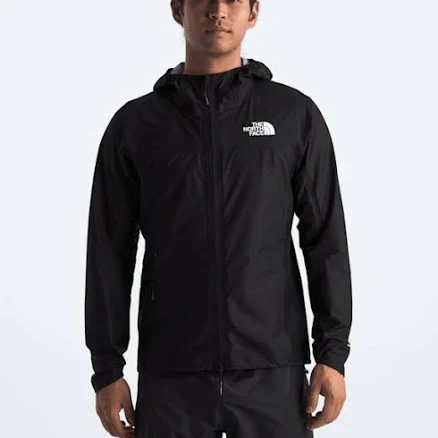
The North Face · Cycling Rain Jackets
The North Face Men's Summit Superior FUTURELIGHT Jacket
Premium waterproof jacket. PFAS status undisclosed by brand.
FUTURELIGHT is a proprietary breathable membrane coating. The North Face does not publicly disclose PFAS content or water-repellent coating treatment chemistry; verify directly with brand before purchase if PFAS avoidance is critical.
Still want this one anyway? Check the price on Amazon. We’d swap it.
Material
Nylon/polyester with FUTURELIGHT membrane coating
Lab data
No public lab test
You may also be interested in
Top-graded picks in the categories readers replace first, every one scored on the same rubric.

- polypropylene filter housing, carbon/sediment cartridge
- We found no PFAS statement from the brand
- Bacterial growth in spent cartridges
3 hazards checked on this product, all on its full breakdown.

Aquasure
Premier Series 75 GPD Under Sink Reverse Osmosis Water Filtration System
- RO membrane, carbon filters, stainless steel housing
- We found no PFAS statement from the brand
- Bacterial and microbial growth in housing and filters
4 hazards checked on this product, all on its full breakdown.

Avocado
Vegan Mattress
- organic cotton, natural latex, coconut coir, recycled steel coils
- The brand calls it PFAS-free, which we have not verified
- Heavy metals
2 hazards checked on this product, all on its full breakdown.
What The North Face Men's Summit Jacket is made of, ingredients and materials
The Summit Superior FUTURELIGHT uses nylon and polyester base fabrics bonded to The North Face's proprietary FUTURELIGHT membrane coating. This membrane delivers waterproofing and breathability without traditional fluorinated PFAS compounds, yet the brand has not publicly disclosed the chemical composition of the membrane itself. Nylon and polyester fibers themselves pose minimal acute hazards, but the coating chemistry and any dyes or finishes applied during manufacture are the primary concern.
What’s concerning
Waterproof / stain-resistant treatment
Water-repellent coating treatments have historically used PFAS.
Category baseline
The starting point for this type of product, before anything specific to this product is counted.
No PFAS disclosure
No public statement from the brand about PFAS in this product.
Formaldehyde / VOCs
Synthetic textile dyeing and finishing commonly employ formaldehyde-releasing resins for color fixation and wrinkle resistance. No independent testing of this specific jacket is on record; North Face does not certify formaldehyde limits. New garments may off-gas low levels; washing before wear reduces exposure.
Source, ATSDR ↗Coating degradation and microplastic shedding
PFAS
The brand's refusal to disclose FUTURELIGHT composition is the core transparency gap. Industry reporting indicates most 'PFAS-free' membranes use wax blends, polyurethane, or proprietary fluorine-free polymers; The North Face has not clarified which approach is used, leaving consumer risk assessment incomplete.
Source, ATSDR ↗What’s reassuring
Azo dyes (synthetic colorant toxicity)
The North Face is a major brand with standard chemical management; direct evidence of restricted azo dyes in this model is not documented. However, nylon and polyester base fabrics globally may incorporate azo dyes unless explicitly certified otherwise (e.g., bluesign); this jacket carries no such third-party mark.
Lead
Established manufacturing standards in North America and Europe restrict heavy metal pigments in apparel. No recalls or testing violations are on record for The North Face synthetic jackets. Risk is low relative to unregulated brands, but polyester-based apparel is not independently tested per item.
Source, ATSDR ↗How is this PFAS grade calculated?
The brand's record and disclosure
The North Face has not publicly detailed the PFAS chemistry in FUTURELIGHT or committed to fluorine-free waterproofing across its range, despite growing industry pressure on this issue. The brand holds no known third-party certifications (e.g., bluesign, Cradle to Cradle) that would independently verify coating safety. The North Face has made general sustainability commitments but remains silent on membrane-specific chemical transparency, limiting external verification of claims.
How it compares in its category
High-end synthetic jackets in this performance tier typically rely on either legacy PFAS-based coatings or undisclosed proprietary alternatives. Competitors offering certified PFAS-free membranes (e.g., some Arc'teryx, Patagonia, and Rab lines using wax or polyurethane alternatives) provide more transparent chemical disclosure. The North Face's silence on FUTURELIGHT composition places this jacket in the middle-to-upper risk zone for informed consumers, despite solid material engineering.
If you buy it
Wash infrequently (cold water, gentle cycle, no fabric softener) to minimize leaching of any coating residues. Air dry only; heat from dryers can degrade synthetic membranes and potentially mobilize coating chemicals. Do not dry-clean, as solvents may compromise the waterproof layer. Replace the jacket if the membrane visibly delaminates or loses water repellency after several years of use, as coating breakdown can release particles.
What is not known about PFAS in this product?
- Basis
- Model estimate, 45% confidence, not a lab result
- Lab test
- None on record for this exact product
- Brand statement
- The North Face has made a specific claim
Formulations change between production runs, so check the current label. How we grade.
What are the PFAS-free alternatives to The North Face Men's Summit Superior FUTURELIGHT Jacket?
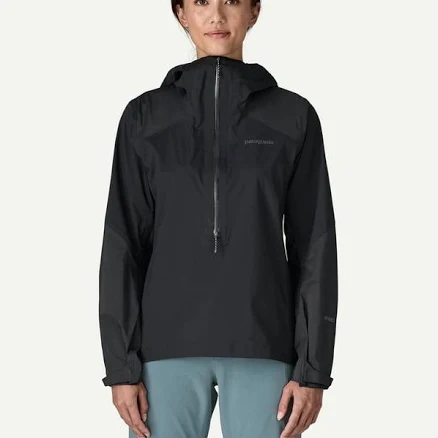
- polyester shell with water-repellent coating finish
- The brand calls it PFAS-free, which we have not verified
- Azo dyes and color fastness
4 hazards checked on this product, all on its full breakdown.
Find an alternative on Amazon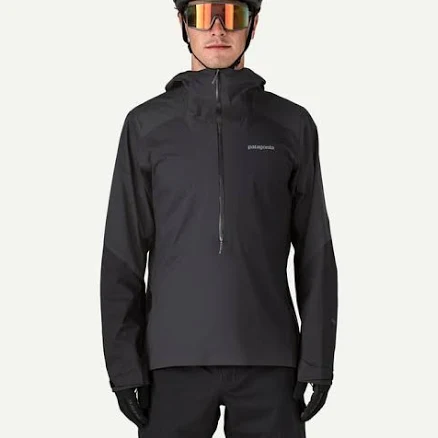
- nylon/polyester with water-repellent coating water treatment
- The brand calls it PFAS-free, which we have not verified
- PFAS
3 hazards checked on this product, all on its full breakdown.
Find an alternative on Amazon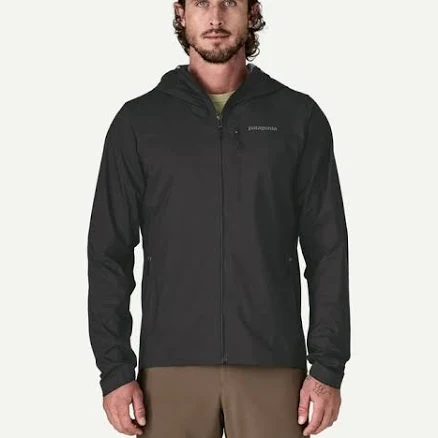
- Nylon with water-repellent coating water-repellent coating finish
- The brand calls it PFAS-free, which we have not verified
- water-repellent coating chemistry opacity (fluorinated vs. non-fluorinated)
3 hazards checked on this product, all on its full breakdown.
Find an alternative on AmazonMore cycling rain jackets grades
How we score, every product runs through the same public 0-100 rubric based on materials, coatings, brand disclosure, lab findings, and recalls. See the full methodology → Spotted a mistake? Report an error.