The North Face · Camping Tents & Tarps
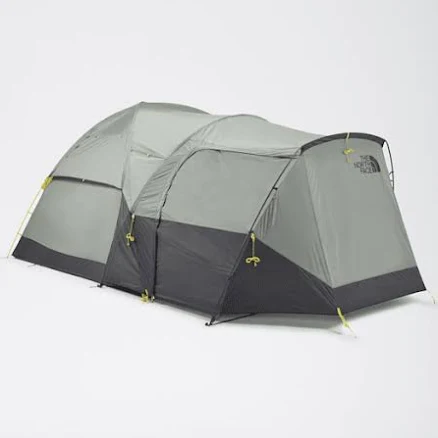
The North Face Wawona 6 Tent
Higher PFAS risk from water-repellent coating treatment with no brand transparency.
The Wawona 6 uses nylon fabric with a water-repellent coating finish typical of outdoor tents, a category historically reliant on PFAS-based coatings. The North Face shares no details about its waterproofing treatment or PFAS-free status.
Still want this one anyway? Check the price on Amazon. We’d swap it.
Material
nylon ripstop fabric with water-repellent coating (water-repellent coating) coating
Lab data
No public lab test
You may also be interested in
Top-graded picks in the categories readers replace first, every one scored on the same rubric.

- polypropylene filter housing, carbon/sediment cartridge
- We found no PFAS statement from the brand
- Bacterial growth in spent cartridges
3 hazards checked on this product, all on its full breakdown.

Aquasure
Premier Series 75 GPD Under Sink Reverse Osmosis Water Filtration System
- RO membrane, carbon filters, stainless steel housing
- We found no PFAS statement from the brand
- Bacterial and microbial growth in housing and filters
4 hazards checked on this product, all on its full breakdown.

Avocado
Vegan Mattress
- organic cotton, natural latex, coconut coir, recycled steel coils
- The brand calls it PFAS-free, which we have not verified
- Heavy metals
2 hazards checked on this product, all on its full breakdown.
What The North Face Wawona 6 Tent is made of, ingredients and materials
The Wawona 6 uses nylon ripstop fabric, a tightly woven synthetic polymer chosen for tear resistance and lightweight strength in outdoor gear. The water-repellent coating (water-repellent coating) coating applied to this nylon is the primary concern, water-repellent coating finishes historically rely on fluorinated compounds (PFAS) to achieve water shedding, though The North Face has not publicly specified which chemistry or generational PFAS formulation this tent uses. Nylon itself is chemically stable in normal use and does not leach monomers under standard camping conditions.
What’s concerning
Category baseline
The starting point for this type of product, before anything specific to this product is counted.
No PFAS disclosure
No public statement from the brand about PFAS in this product.
Waterproof / stain-resistant treatment
Water-repellent coating treatments have historically used PFAS.
PFAS
Nylon ripstop tents widely use PFAS-based water-repellent coating finishes; The North Face has not disclosed the specific PFAS generation or committed to fluorine-free alternatives for this model. Coating can shed into soil and water during pitched use and washing.
Source, ATSDR ↗Coating degradation and microparticle shedding
Water-repellent coating coatings on nylon are not permanent; UV exposure, abrasion, and washing progressively wear the finish. Particles from degraded coating can release into the environment or contact skin/sleeping surfaces if the tent interior is touched frequently.
VOC emissions from manufacturing finishes (including water-repellent coating application)
Nylon fabrics treated with water-repellent finishes may off-gas volatile organic compounds during initial storage and use, particularly if stored in warm, enclosed spaces. Ventilation during first few pitches can minimize this exposure.
What’s reassuring
Formaldehyde / VOCs
No public record of formaldehyde-based resins in The North Face tent seams or fabric treatments; formaldehyde is more common in cotton-blended textiles and cheaper nylon products. Standard camping use does not involve heating this material.
Source, ATSDR ↗Lead
The Wawona 6 uses standard synthetic dyes typical of outdoor fabric mills. No recalls or testing have flagged heavy metal contamination in The North Face tent fabrics; azo dyes are regulated in most apparel and are unlikely to leach into contact surfaces in tent use.
Source, ATSDR ↗How is this PFAS grade calculated?
The brand's record and disclosure
The North Face has not published transparent information about water-repellent coating chemistry in their tent line or committed to PFAS-free alternatives at scale. The brand has faced industry pressure on fluorinated finishes but has not announced a timeline to phase them out or switched to fluorine-free water repellents in the Wawona series. Their silence on this specific product makes it impossible to confirm whether water-repellent coating uses legacy PFOS/PFOA, longer-chain PFAS, or fluorine-free replacements.
How it compares in its category
Most three-season dome and geodesic tents in this price and performance tier (including competitors like MSR, Big Agnes, and REI Co-op brands) rely on water-repellent coating-coated nylon. Few mainstream brands publicly commit to PFAS-free water-repellent coating; some outdoor retailers now stock alternatives using silicon-based or wax-based water repellents, though performance trade-offs exist. The Wawona 6's design and materials are otherwise standard for its class; the water-repellent coating choice is the differentiator and the hazard.
If you buy it
Inspect seams and fabric annually for wear; nylon degrades under prolonged UV exposure and abrasion, and degraded water-repellent coating will shed microscopic particles into soil during use and storage. Re-coat with PFAS-free water repellent products (silicone- or hydrocarbon-based sprays) every 2-3 seasons to restore performance without adding legacy PFAS. Store dry in a cool place to slow polymer aging; avoid leaving it pitched in sunlight for weeks at a time. Plan for eventual replacement (typically 5-10 years depending on use intensity) rather than indefinite repair.
What is not known about PFAS in this product?
- Basis
- Model estimate, 45% confidence, not a lab result
- Lab test
- None on record for this exact product
- Brand statement
- The North Face has made a specific claim
Formulations change between production runs, so check the current label. How we grade.
More camping tents & tarps grades
How we score, every product runs through the same public 0-100 rubric based on materials, coatings, brand disclosure, lab findings, and recalls. See the full methodology → Spotted a mistake? Report an error.