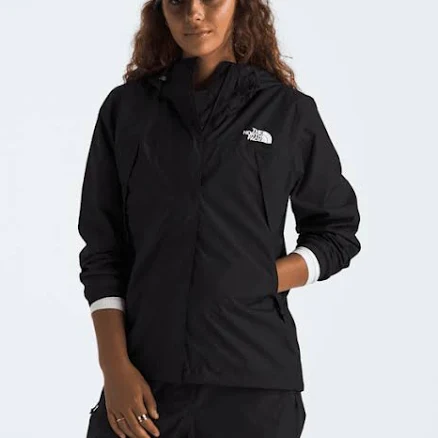
The North Face Women's Antora Rain Jacket
Skip until The North Face discloses or switches to PFAS-free water-repellent coating.
The North Face does not publicly disclose the chemical composition of the Antora's water-repellent coating. Most major outdoor brands historically use PFAS-based water-repellent coating treatments.
Still want this one anyway? Check the price on Amazon. We’d swap it.
Material
Nylon shell with water-repellent coating (water-repellent coating) coating
Lab data
No public lab test
You may also be interested in
Top-graded picks in the categories readers replace first, every one scored on the same rubric.

- polypropylene filter housing, carbon/sediment cartridge
- We found no PFAS statement from the brand
- Bacterial growth in spent cartridges
3 hazards checked on this product, all on its full breakdown.

Aquasure
Premier Series 75 GPD Under Sink Reverse Osmosis Water Filtration System
- RO membrane, carbon filters, stainless steel housing
- We found no PFAS statement from the brand
- Bacterial and microbial growth in housing and filters
4 hazards checked on this product, all on its full breakdown.

Avocado
Vegan Mattress
- organic cotton, natural latex, coconut coir, recycled steel coils
- The brand calls it PFAS-free, which we have not verified
- Heavy metals
2 hazards checked on this product, all on its full breakdown.
What The North Face Women's Antora Rain Jacket is made of, ingredients and materials
The Antora uses a nylon shell, which is a synthetic polymer that does not inherently leach chemicals into skin or food. The critical component is the water-repellent coating (water-repellent coating) finish applied to the fabric surface. Most conventional water-repellent coating coatings in this price and performance tier historically use fluorinated compounds (PFAS-based), though some manufacturers have begun adopting fluorine-free alternatives. The North Face has not publicly disclosed which water-repellent coating chemistry is used on this specific jacket model.
What’s concerning
Category baseline
The starting point for this type of product, before anything specific to this product is counted.
No PFAS disclosure
No public statement from the brand about PFAS in this product.
Waterproof / stain-resistant treatment
Water-repellent coating treatments have historically used PFAS.
PFAS
Industry standard for rain jackets at this price point is PFAS-based water-repellent coating; The North Face has not confirmed fluorine-free alternatives for this model. PFAS can migrate to skin in small amounts and persist environmentally.
Source, ATSDR ↗Nylon degradation and microfiber shedding
Nylon is durable but sheds microfibers when washed or worn, particularly once the water-repellent coating begins to wear. Shed fibers are not unique to this brand and are inherent to synthetic textiles; frequency depends on wash care and water-repellent coating maintenance.
What’s reassuring
Dye stability and azo dye release
The North Face uses established dyeing processes for nylon; no specific recalls or complaints of dye bleeding or azo dye contamination are on record for the Antora line. Standard nylon dyes are not known to be a toxicity concern.
Adhesive and coating leachables from seams and zippers
Sealed seams and metal zippers are standard; no documented leaching or allergic reactions from adhesives or hardware in The North Face rain jackets are publicly reported. Nickel content in zippers is typical and low-risk for most users.
Formaldehyde / VOCs
Modern nylon rain jackets rarely use formaldehyde resins for finish; the water-repellent coating and sealing agents are the primary additives. No specific formaldehyde hazard has been reported for this product line.
Source, ATSDR ↗How is this PFAS grade calculated?
The brand's record and disclosure
The North Face (owned by VF Corporation) has not published a detailed PFAS elimination roadmap or third-party certification for water-repellent coating-free rain jackets at scale. The brand has faced indirect pressure via parent company VF's environmental commitments, but specific product-level disclosures for models like the Antora remain absent from public sources. No recalls or safety violations are on record for this jacket. The lack of transparency rather than documented harm is the primary concern.
How it compares in its category
Most mainstream rain jackets in the $100-200 range use PFAS-based water-repellent coating; The North Face Antora is typical in this regard. Premium brands like Patagonia and Arc'teryx have introduced PFAS-free water-repellent coating lines, though availability and cost remain higher. Budget alternatives often use cheaper polyester or PVC shells with inferior durability but identical PFAS uncertainty. The Antora's nylon base and proven durability are above-average; the water-repellent coating chemistry is the differentiator.
If you buy it
Machine wash in cool water with mild detergent; avoid fabric softeners and heat drying, which can degrade both nylon and water-repellent coating prematurely. Hang dry and reapply water-repellent coating treatment every 6-12 months using commercial aftermarket products (many are also PFAS-based, so this is an opportunity to switch to fluorine-free sprays if concerned). Inspect seams and zippers annually for wear. Do not expose to high heat or direct flame. If water-repellent coating fails (water no longer beads), the jacket remains water-resistant but less effective in heavy rain.
What is not known about PFAS in this product?
- Basis
- Model estimate, 45% confidence, not a lab result
- Lab test
- None on record for this exact product
- Brand statement
- The North Face has made a specific claim
Formulations change between production runs, so check the current label. How we grade.
More rain jackets grades
How we score, every product runs through the same public 0-100 rubric based on materials, coatings, brand disclosure, lab findings, and recalls. See the full methodology → Spotted a mistake? Report an error.