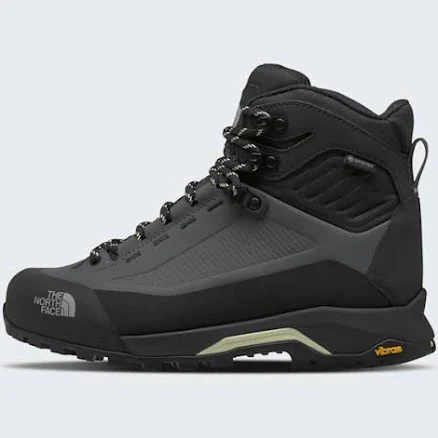
The North Face · Waterproof Boots
The North Face Women's Verto Alpine Mid GORE-TEX Boots
High PFAS risk from GORE-TEX water-repellent coating treatment; skip if concerned.
GORE-TEX provides waterproofing via fluorocarbon chemistry, historically PFAS-based. The North Face makes no public PFAS disclosures for this boot model. No third-party verification available.
Still want this one anyway? Check the price on Amazon. We’d swap it.
Material
GORE-TEX membrane with synthetic uppers and rubber sole
Lab data
No public lab test
You may also be interested in
Top-graded picks in the categories readers replace first, every one scored on the same rubric.

Aqua Pure
3M Aqua-Pure AP802B Whole House Filter Housing
- polypropylene filter housing, carbon/sediment cartridge
- We found no PFAS statement from the brand
- Bacterial growth in spent cartridges
3 hazards checked on this product. See all of them.

Aquasure
Premier Series 75 GPD Under Sink Reverse Osmosis Water Filtration System
- RO membrane, carbon filters, stainless steel housing
- We found no PFAS statement from the brand
- Bacterial and microbial growth in housing and filters
4 hazards checked on this product. See all of them.

Avocado
Vegan Mattress
- organic cotton, natural latex, coconut coir, recycled steel coils
- The brand calls it PFAS-free, which we have not verified
- Heavy metals
2 hazards checked on this product. See all of them.
What The North Face Women's Verto Alpine Mid is made of, ingredients and materials
These boots combine a GORE-TEX membrane (microporous polytetrafluoroethylene laminate) with synthetic textile uppers and a rubber outsole. GORE-TEX is durable and breathable but is finished with water-repellent coating (water-repellent coating) treatments that historically relied on long-chain fluorinated compounds (PFAS). The synthetic uppers reduce risk of leather tanning chemicals but may include polyester, nylon, or polyurethane with associated processing residues. The rubber sole is inert during normal use.
What’s concerning
Waterproof / stain-resistant treatment
Water-repellent coating treatments have historically used PFAS.
Category baseline
The starting point for this type of product, before anything specific to this product is counted.
No PFAS disclosure
No public statement from the brand about PFAS in this product.
PFAS
GORE-TEX membrane is finished by the supplier with fluorinated water-repellent coating; The North Face does not disclose which PFAS formulation or whether PFAS-free alternatives are used. This is the dominant hazard for this product.
Source, ATSDR ↗Formaldehyde / VOCs
Synthetic uppers may contain formaldehyde-based resins used in dyeing or wrinkle-resistance treatments. No specific testing or recalls for this product line are on record.
Source, ATSDR ↗Heavy metals
Synthetic textile uppers are dyed; azo dyes (some restricted by EU but not US) and trace metals in pigments are standard textile manufacturing concerns. No product-specific report or recall exists.
Source, FDA ↗Degradation and microplastic shedding from synthetic uppers
Polyester or nylon uppers will shed fibers over time, especially with abrasion and weathering. This is inherent to synthetic textiles but not unique to this brand or model.
Coating and membrane delamination over time
GORE-TEX boots occasionally experience premature membrane separation from the backing layer after multiple seasons or wet-freeze cycles. This is a durability issue rather than a chemical hazard but can compromise waterproofing function.
The full breakdown
The brand's record and disclosure
The North Face has not publicly committed to PFAS elimination in footwear or published specific water-repellent coating alternatives for GORE-TEX products. The brand maintains general sustainability messaging but does not disclose which PFAS versions (legacy C8, newer C6, or alternatives) are used in their GORE-TEX boots. No major recalls or formaldehyde, azo dye, or heavy metal issues are on public record for this product line. Transparency on fluorochemical reduction remains absent.
How it compares in its category
Most GORE-TEX footwear carries identical PFAS risk because the membrane's water-repellent coating finish is supplied by the membrane manufacturer, not the boot brand. Non-GORE-TEX synthetic hiking boots using alternative waterproofing (polyurethane coatings, silicone water-repellent coating, or wax finishes) typically avoid long-chain PFAS, though durability may be lower. Competing brands (e.g., Salomon, Merrell, Asolo) with GORE-TEX models face the same PFAS constraint. PFAS-free alternatives exist but are less common in premium alpine footwear.
If you buy it
Minimize skin contact and avoid storing boots in confined spaces where off-gassing could accumulate. Wash boots in cool water with mild soap after muddy use to prevent buildup of field contaminants. Do not heat-dry; air dry only, as high heat can degrade synthetic uppers and the membrane bond. Replace when the sole shows significant wear or the membrane delaminates, typically after 2-4 seasons of active use. If PFAS migration is a concern, consider non-GORE-TEX alternatives despite waterproofing trade-offs.
What we don’t know
- Basis
- Model estimate, 45% confidence, not a lab result
- Lab test
- None on record for this exact product
- Brand statement
- The North Face has made a specific claim
Formulations change between production runs, so check the current label. How we grade.
Better-graded alternatives in Waterproof Boots
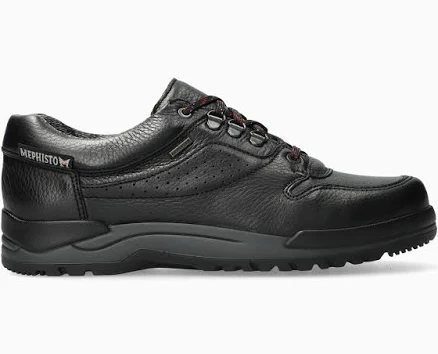
Mephisto
Men Mephisto Curt Mt SNEAKER
- leather, textile, rubber sole
- We found no PFAS statement from the brand
- Volatile organic compounds (VOC) off-gassing from adhesives
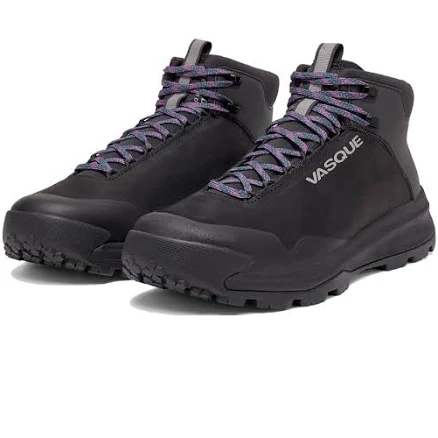
Vasque
Hiking shoes Vasque Women's Horizon Mid
- Leather/nubuck upper, synthetic/rubber sole, no coating disclosed
- We found no PFAS statement from the brand
- Azo dyes (leather/textile coloring)
4 hazards checked on this product. See all of them.
Find an alternative on AmazonMore waterproof boots grades
How we score, every product runs through the same public 0-100 rubric based on materials, coatings, brand disclosure, lab findings, and recalls. See the full methodology → Spotted a mistake? Report an error.