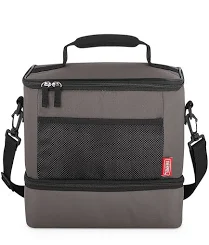
Thermos 12 Can Dual Lunch Box
Lower concern for typical lunch box use; no PFAS disclosure available.
Thermos lunch boxes are primarily plastic and foam, materials with lower inherent PFAS risk than coated textiles or non-stick cookware. The brand makes no PFAS claims or disclosures for this product.
We flunk more products than we pass. This one earned its grade. How we grade
Material
plastic exterior, foam insulation, metal/plastic lining
Brand disclosure
Brand is silent on PFAS
Lab data
No public lab test
What Thermos 12 Can Dual Lunch Box is made of, ingredients and materials
The Thermos 12 Can Dual Lunch Box uses a plastic exterior shell (material type not publicly specified by brand), foam insulation core, and metal or plastic interior lining for food contact. Plastic exterior and foam do not typically leach hazardous substances into food unless damaged or exposed to high heat. The interior lining, whether metal or plastic, is the primary food-contact surface; if plastic, BPA/BPS or phthalate content depends on resin type and manufacturer controls, which Thermos has not publicly disclosed.
What’s concerning
Category baseline
The starting point for this type of product, before anything specific to this product is counted.
No PFAS disclosure
No public statement from the brand about PFAS in this product.
BPA & bisphenols
The interior plastic lining material type and manufacturing standard are not disclosed by Thermos. If the lining is polycarbonate or vinyl, BPA or phthalates are possible but not confirmed. Food-contact plastics in the U.S. are regulated under FDA CFR 21 Part 177, and this product likely complies, but no independent or brand testing is publicly available.
Source, FDA ↗Foam degradation and microparticle shedding
Foam insulation can degrade and shed particles if compressed, punctured, or exposed to solvents or extreme temperatures. Shed foam particles entering food are unlikely but possible if the interior lining is compromised. No incidents are on record for this model, but inspection and replacement of visibly damaged units is prudent.
Bacterial or mold growth in insulation
Foam insulation retains moisture and is difficult to fully dry, creating conditions for mold or bacterial growth if the lunch box is sealed while damp or stored in humid conditions. This is a hygiene concern rather than chemical hazard, but relevant to food safety practice with soft-sided lunch boxes.
Metal lining corrosion or coating wear
If the interior lining is metal (aluminum or steel), corrosion or loss of any protective coating is possible with acidic foods, repeated washing, or long-term moisture exposure. No public information on coating composition or durability is available. Visible rust or pitting should trigger replacement.
What’s reassuring
Base material not linked to PFAS
The main material recorded for this product is not one associated with PFAS.
Plastic exterior off-gassing or leaching
The plastic exterior shell is not a food-contact surface and does not directly leach into food. Off-gassing (volatile organic compounds) from new plastic is possible but typically minimal after initial use and is not on record as a hazard for this product line.
The full breakdown
The brand's record and disclosure
Thermos has not publicly released detailed material safety disclosures, chemical composition breakdowns, or third-party certifications (e.g., FDA compliance statements) specific to this lunch box model. No recalls or safety incidents are on record for this product line. The brand maintains a long history in food storage but remains silent on PFAS, BPA, or phthalate testing, which is common for budget-oriented food-packaging brands and does not indicate a hidden problem, only a lack of transparency.
How it compares in its category
Soft-sided insulated lunch boxes (plastic exterior, foam, metal/plastic lining) are a mainstream category with no higher hazard profile than hard-sided rigid coolers or fabric lunch bags. Compared to stainless-steel-lined lunch boxes, plastic linings carry a minor theoretical risk for leaching if exposed to prolonged heat or solvents, but day-to-day cold food storage presents negligible exposure. Brand-specific testing and certification are rarely available for this price tier; Thermos' lack of disclosure is typical, not unusual.
If you buy it
Do not expose the lunch box to direct sunlight or heat sources for extended periods, as this may degrade the plastic lining over time. Store it with the lid open and dry to prevent mold or bacterial growth in the foam. Use only with foods at or below room temperature; do not fill with hot liquids or foods, which increases leaching potential. Replace the lunch box if the interior lining cracks, peels, or shows discoloration, as this signals degradation and increased contact risk.
What we don’t know
- Basis
- Model estimate, 62% confidence, not a lab result
- Lab test
- None on record for this exact product
- Brand statement
- Thermos has made none
Formulations change between production runs, so check the current label. How we grade.
Better-graded alternatives in Lunch Boxes
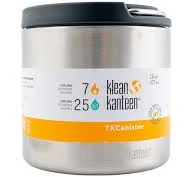
Klean Kanteen
Double Wall Vacuum Insulated Stainless Steel Food Canister Container with Leak Proof Lid
- Stainless steel body, silicone gasket lid seal
- The brand calls it PFAS-free, which we have not verified
- Silicone gasket degradation
3 hazards checked on this product. See all of them.
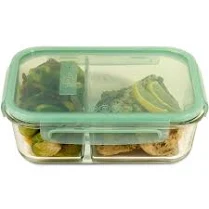
Snapware
Meal Box Glass
- borosilicate glass
- We found no PFAS statement from the brand
- Leaching from glass matrix or lid seals
2 hazards checked on this product. See all of them.
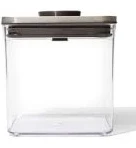
OXO
Steel Pop Big Square Short - 2.8 Qt/2.6 l
- Stainless steel container, no surface treatment
- Lid/gasket polymer leaching
3 hazards checked on this product. See all of them.
More lunch boxes grades
How we score, every product runs through the same public 0-100 rubric based on materials, coatings, brand disclosure, lab findings, and recalls. See the full methodology → Spotted a mistake? Report an error.