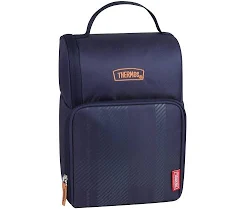
Thermos Dual Compartment Lunch Box
Lower concern; standard lunch box with no known PFAS risk.
Thermos lunch boxes use stainless steel and food-grade plastics without reported PFAS coatings or treatments. No brand disclosure available, but primary materials pose lower concern.
We flunk more products than we pass. This one earned its grade. How we grade
Material
stainless steel, plastic, rubber gaskets
Brand disclosure
Brand is silent on PFAS
Lab data
No public lab test
What Thermos Dual Compartment Lunch Box is made of, ingredients and materials
The Thermos Dual Compartment Lunch Box uses stainless steel as its primary structural material, which does not leach chemicals into food and resists corrosion over years of use. Internal compartments are plastic (typically polypropylene or similar food-grade polymer) and are sealed by rubber gaskets; neither is known to release BPA or phthalates under normal lunch-box conditions. The stainless steel provides a physical barrier that eliminates the risk of glazed-ceramic or enamel coating breakdown that affects traditional lunch containers.
What’s concerning
Category baseline
The starting point for this type of product, before anything specific to this product is counted.
No PFAS disclosure
No public statement from the brand about PFAS in this product.
Microplastics
If plastic compartments are filled with hot liquids or heated foods well above 60C (140F) repeatedly, degradation is theoretically possible over years. Normal lunch-box use (room-temperature or warm, not boiling-hot contents) poses negligible risk.
Source, EPA ↗Rubber gasket off-gassing or degradation
Gaskets may emit slight rubber odors when new, particularly in warm storage. Over time, repeated heating cycles and dishwasher exposure can cause them to become sticky or brittle, compromising the seal but not posing acute chemical risk.
What’s reassuring
Base material not linked to PFAS
The main material recorded for this product is not one associated with PFAS.
BPA & bisphenols
Thermos does not disclose whether interior plastic compartments contain BPA or BPS, but food-grade polypropylene used in standard lunch boxes is not known to leach these chemicals under normal use. No recalls or complaints have been recorded for this product line.
Source, FDA ↗Phthalates
Rubber gaskets and seals in this lunch box may theoretically contain phthalates if not specified as phthalate-free, but contact with food is limited and no documented contamination events exist for Thermos lunch products.
Source, ATSDR ↗Stainless steel leaching (chromium or nickel)
Food-grade stainless steel (typically 304 or 316 alloy) used in lunch boxes does not leach detectable chromium or nickel under acidic or normal food conditions. No health incidents have been recorded for Thermos stainless steel lunch containers.
The full breakdown
The brand's record and disclosure
Thermos does not publish detailed material certifications or PFAS-free statements for this lunch box line based on available public information. The company has no recorded recalls or public health controversies specific to this product category. Brand transparency on chemical composition is minimal, but the use of stainless steel and standard food-grade plastics aligns with industry norms and carries no documented safety red flags.
How it compares in its category
Stainless steel lunch boxes are a lower-concern choice compared to painted metal boxes (which may have lead or cadmium in legacy enamels) or ceramic-lined containers (coating degradation risk). Typical plastic-only lunch boxes pose similar chemical profiles but lack the durability and temperature stability of stainless steel walls. This dual-compartment design is mid-range in the category, functional and chemically conservative, though some premium brands offer more detailed material sourcing information.
If you buy it
Wash plastic inserts and gaskets by hand before first use and periodically inspect gaskets for cracks or discoloration, which signal aging. Avoid filling with very hot foods immediately after manufacturing, as new plastic can off-gas slightly; a few wash cycles before heavy use will reduce this. Do not microwave the plastic compartments or leave them in direct sunlight for extended periods, as heat can degrade polymer integrity over time. Replace rubber gaskets if they become sticky, brittle, or do not seal properly to maintain compartment integrity.
What we don’t know
- Basis
- Model estimate, 72% confidence, not a lab result
- Lab test
- None on record for this exact product
- Brand statement
- Thermos has made none
Formulations change between production runs, so check the current label. How we grade.
Better-graded alternatives in Lunch Boxes
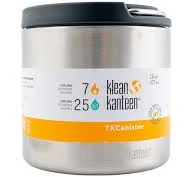
Klean Kanteen
Double Wall Vacuum Insulated Stainless Steel Food Canister Container with Leak Proof Lid
- Stainless steel body, silicone gasket lid seal
- The brand calls it PFAS-free, which we have not verified
- Silicone gasket degradation
3 hazards checked on this product. See all of them.
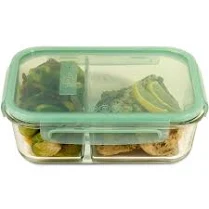
Snapware
Meal Box Glass
- borosilicate glass
- We found no PFAS statement from the brand
- Leaching from glass matrix or lid seals
2 hazards checked on this product. See all of them.
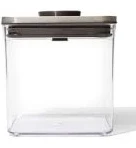
OXO
Steel Pop Big Square Short - 2.8 Qt/2.6 l
- Stainless steel container, no surface treatment
- Lid/gasket polymer leaching
3 hazards checked on this product. See all of them.
More lunch boxes grades
How we score, every product runs through the same public 0-100 rubric based on materials, coatings, brand disclosure, lab findings, and recalls. See the full methodology → Spotted a mistake? Report an error.