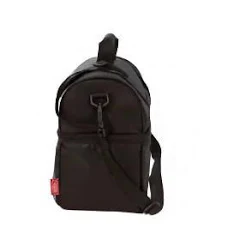
Thermos Lunch Lugger Cooler
Lower concern; rigid cooler without obvious PFAS-prone features.
Thermos Lunch Lugger is a foam-insulated cooler with no known PFAS-intentional coatings. No brand disclosure on PFAS; materials are routine plastics and foam without nonstick, waterproofing, or stain-resist finishes that typically introduce PFAS.
We flunk more products than we pass. This one earned its grade. How we grade
Material
polyethylene foam insulation, plastic exterior, fabric lining
Brand disclosure
Brand is silent on PFAS
Lab data
No public lab test
What Thermos Lunch Lugger Cooler is made of, ingredients and materials
The Thermos Lunch Lugger uses closed-cell polyethylene (PE) foam as its primary insulation layer, with a plastic exterior shell and fabric-lined interior. Polyethylene foam does not leach BPA, BPS, or phthalates under normal food-storage conditions because it is not a food-contact surface and contains no plasticizers. The plastic exterior and interior lining are the only materials that directly contact food and liquids; their exact resin type (HDPE, polypropylene, or similar) is not publicly specified in standard product documentation, but rigid coolers of this type typically use food-grade thermoplastics.
What’s concerning
Category baseline
The starting point for this type of product, before anything specific to this product is counted.
No PFAS disclosure
No public statement from the brand about PFAS in this product.
Microplastic shedding from degraded foam or plastic
Polyethylene foam can degrade into microparticles if compressed repeatedly or exposed to UV light and heat over years of use. Food stored in a deteriorating cooler could potentially contact PE microparticles; this is a wear-and-tear hazard rather than an immediate chemical one.
Mold and bacterial growth in fabric lining
The fabric interior can retain moisture and harbor mold or bacteria if not dried thoroughly after use. This is a biological hazard rather than a chemical one, but it poses a food-safety risk if the cooler is not maintained properly.
Plastic leaching under acidic or high-temperature conditions
While PE is chemically stable at room temperature, acidic foods and liquids (lemon juice, vinegar, acidic drinks) can accelerate polymer chain breakdown and potential leachate over extended contact. Heat above 120F can also soften PE and increase leaching risk.
What’s reassuring
Base material not linked to PFAS
The main material recorded for this product is not one associated with PFAS.
BPA & bisphenols
Polyethylene foam itself contains neither BPA nor phthalates. The plastic exterior and interior lining material composition is not publicly detailed; rigid coolers typically meet FDA food-contact standards, but the manufacturer does not explicitly certify BPA-free status on the product label.
Source, FDA ↗Formaldehyde / VOCs
The fabric lining material and treatment are not specified in public product documentation. Food-grade textile linings are not typically treated with high-formaldehyde finishes, but third-party testing data for this specific product is not available.
Source, ATSDR ↗The full breakdown
The brand's record and disclosure
Thermos has a long-established reputation for durable food-storage products and maintains FDA compliance for food-contact materials. The company does not publish detailed material safety data sheets or third-party certification (such as BPA-free labeling) on the Lunch Lugger product line as standard marketing practice, which is typical for cooler manufacturers. No recalls or consumer safety complaints related to chemical leaching have been identified for this specific model in public databases.
How it compares in its category
Hard-shell plastic coolers like the Lunch Lugger generally pose lower chemical risk than soft-sided fabric coolers, which may use adhesives or flame retardants in seams and padding. Compared to stainless-steel coolers, plastic coolers do not leach metals, but they lack the durability and reusability advantage. The Lunch Lugger's fabric lining is a minor concern point; fabric dyes and finishes are not regulated as strictly as plastic food-contact materials, but deterioration or staining over years of use is more likely than chemical leaching.
If you buy it
Keep the cooler out of direct prolonged sunlight and heat above 120F (49C), as polyethylene can soften or degrade under high temperatures, potentially releasing microparticles into stored food. Hand-wash the interior and fabric lining with mild soap and dry thoroughly after each use to prevent mold, bacterial growth, and fabric degradation. Replace the cooler if the plastic exterior cracks, the foam insulation compresses permanently, or the fabric lining develops persistent mold or odors. Do not microwave or heat food or liquids inside the cooler, and avoid storing extremely acidic foods (vinegar, citrus juice) for extended periods, as acids can accelerate plastic degradation.
What we don’t know
- Basis
- Model estimate, 72% confidence, not a lab result
- Lab test
- None on record for this exact product
- Brand statement
- Thermos has made none
Formulations change between production runs, so check the current label. How we grade.
Better-graded alternatives in Lunch Boxes
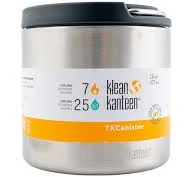
Klean Kanteen
Double Wall Vacuum Insulated Stainless Steel Food Canister Container with Leak Proof Lid
- Stainless steel body, silicone gasket lid seal
- The brand calls it PFAS-free, which we have not verified
- Silicone gasket degradation
3 hazards checked on this product. See all of them.
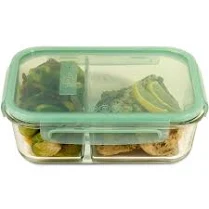
Snapware
Meal Box Glass
- borosilicate glass
- We found no PFAS statement from the brand
- Leaching from glass matrix or lid seals
2 hazards checked on this product. See all of them.
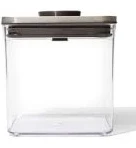
OXO
Steel Pop Big Square Short - 2.8 Qt/2.6 l
- Stainless steel container, no surface treatment
- Lid/gasket polymer leaching
3 hazards checked on this product. See all of them.
More lunch boxes grades
How we score, every product runs through the same public 0-100 rubric based on materials, coatings, brand disclosure, lab findings, and recalls. See the full methodology → Spotted a mistake? Report an error.