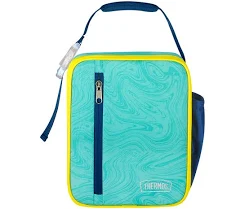
Thermos Soft Lunch Box Upright
Lower PFAS concern, but Thermos discloses nothing about treatment.
Soft lunch box uses common insulated textile materials without known PFAS coatings. Thermos provides no public PFAS statement; contact brand for coating details on seams or water resistance.
We flunk more products than we pass. This one earned its grade. How we grade
Material
polyester, nylon, foam insulation
Brand disclosure
Brand is silent on PFAS
Lab data
No public lab test
What Thermos Soft Lunch Box Upright is made of, ingredients and materials
This lunch box uses polyester fabric exterior, nylon zippers and straps, and foam insulation interior, all common in soft-sided food carriers. Polyester and nylon are synthetic polymers that do not leach BPA or phthalates into food under normal use. The foam insulation (type not specified in available product information) is a closed-cell material that poses minimal direct food-contact risk if the inner lining remains intact. Thermal performance, not chemical migration, is the primary function of this design.
What’s concerning
Category baseline
The starting point for this type of product, before anything specific to this product is counted.
No PFAS disclosure
No public statement from the brand about PFAS in this product.
Formaldehyde / VOCs
Polyester fabric may be finished with formaldehyde-based resins for wrinkle or water resistance; Thermos does not list finish details. Azo dyes are possible in colored polyester, but no recall or hazard alert exists for this product. Risk is low if the product is air-dried after purchase before first use with food.
Source, ATSDR ↗Foam insulation off-gassing or breakdown
Foam type and adhesive chemistry are not specified. Polyurethane or polyethylene foams may emit low levels of VOCs when new; opening and airing the box before first food use reduces this. Foam degradation over 2-3 years of use is normal and poses no acute hazard.
Microplastic or fiber shedding into food
Soft polyester and nylon textiles can shed microfibers, especially after washing or abrasion. Use a removable inner container or wrap food in cloth or paper to minimize direct contact between food and interior fabric surfaces.
Mold or bacterial growth if wet
Foam insulation and fabric seams can trap moisture and harbor mold or mildew if the box is not thoroughly dried after cleaning or wet storage. Ensure complete air-drying between uses and store in a dry location.
What’s reassuring
Base material not linked to PFAS
The main material recorded for this product is not one associated with PFAS.
Phthalates
Polyester and nylon fabric and zippers do not inherently contain phthalates. Plasticizers may be present in inks or coatings (not disclosed for this model), but are not a primary concern for exterior-only textiles that do not contact food directly.
Source, ATSDR ↗The full breakdown
The brand's record and disclosure
Thermos is a legacy brand in food storage and thermware with no major recalls or chemical controversies on record for soft lunch boxes. The company has not published detailed PFAS treatment disclosures for fabric or foam components, which is typical for this product tier. No third-party certifications (e.g., OEKO-TEX, GOTS) are listed for this model, limiting independent verification of finish treatments. Brand transparency on material sourcing and chemical inputs remains minimal but is consistent with market norms for mid-range soft carriers.
How it compares in its category
Soft-sided lunch boxes inherently carry lower chemical risk than hard-sided rigid carriers with laminated linings or stainless steel interiors that may off-gas or leach. This polyester/nylon construction is standard across competitive products (L.L.Bean, LL Cool, Rubbermaid); no material advantage or disadvantage is evident. Compared to insulated paper or fabric alternatives, synthetic foam and polyester do not decompose during normal use and do not harbor mold as readily if kept dry. The trade-off is that synthetic materials cannot be certified compostable.
If you buy it
Hand wash the exterior and interior lining in cool water; avoid hot water on the foam to prevent compression or adhesive breakdown. Do not place hot food directly against the inner walls; use a container, plate, or wrap as a barrier. Inspect zippers and seams annually for wear; replace if gaps open, as compromised seals reduce insulation and allow moisture ingress into foam. Do not machine wash or dry clean, as detergent residue can migrate into food stored next and solvents degrade foam.
What we don’t know
- Basis
- Model estimate, 62% confidence, not a lab result
- Lab test
- None on record for this exact product
- Brand statement
- Thermos has made none
Formulations change between production runs, so check the current label. How we grade.
Better-graded alternatives in Lunch Boxes
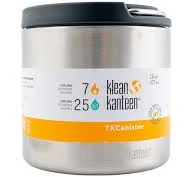
Klean Kanteen
Double Wall Vacuum Insulated Stainless Steel Food Canister Container with Leak Proof Lid
- Stainless steel body, silicone gasket lid seal
- The brand calls it PFAS-free, which we have not verified
- Silicone gasket degradation
3 hazards checked on this product. See all of them.
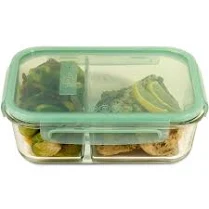
Snapware
Meal Box Glass
- borosilicate glass
- We found no PFAS statement from the brand
- Leaching from glass matrix or lid seals
2 hazards checked on this product. See all of them.
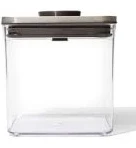
OXO
Steel Pop Big Square Short - 2.8 Qt/2.6 l
- Stainless steel container, no surface treatment
- Lid/gasket polymer leaching
3 hazards checked on this product. See all of them.
More lunch boxes grades
How we score, every product runs through the same public 0-100 rubric based on materials, coatings, brand disclosure, lab findings, and recalls. See the full methodology → Spotted a mistake? Report an error.