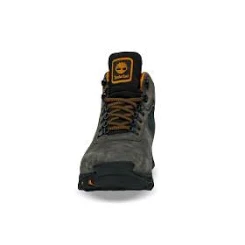
Timberland Men's Mt. Maddsen Waterproof Mid Hiking Boot
Waterproof hiking boots often use PFAS-based water-repellent coating; Timberland does not disclose.
Timberland's Mt. Maddsen uses waterproof treatment on leather and textile but provides no public disclosure of PFAS use or alternatives. Standard industry practice suggests possible fluorochemical coating.
Still want this one anyway? Check the price on Amazon. We’d swap it.
Material
leather and textile with unspecified waterproof treatment
Brand disclosure
Brand is silent on PFAS
Lab data
No public lab test
You may also be interested in
Top-graded picks in the categories readers replace first, every one scored on the same rubric.

Aqua Pure
3M Aqua-Pure AP802B Whole House Filter Housing
- polypropylene filter housing, carbon/sediment cartridge
- We found no PFAS statement from the brand
- Bacterial growth in spent cartridges
3 hazards checked on this product. See all of them.

Aquasure
Premier Series 75 GPD Under Sink Reverse Osmosis Water Filtration System
- RO membrane, carbon filters, stainless steel housing
- We found no PFAS statement from the brand
- Bacterial and microbial growth in housing and filters
4 hazards checked on this product. See all of them.

Avocado
Vegan Mattress
- organic cotton, natural latex, coconut coir, recycled steel coils
- The brand calls it PFAS-free, which we have not verified
- Heavy metals
2 hazards checked on this product. See all of them.
What Timberland Men's Mt. Maddsen Waterproof is made of, ingredients and materials
This boot combines leather uppers with textile components and an unspecified waterproof treatment. Leather itself is relatively stable and does not off-gas volatile organic compounds the way synthetic polymers do. The hazard lies in the waterproofing system, Timberland does not publicly name whether it uses PFAS-based durable water repellents (water-repellent coating) or fluorine-free alternatives, which is standard practice across the outdoor footwear industry.
What’s concerning
Waterproof / stain-resistant treatment
Water-repellent coating treatments have historically used PFAS.
Category baseline
The starting point for this type of product, before anything specific to this product is counted.
No PFAS disclosure
No public statement from the brand about PFAS in this product.
Formaldehyde / VOCs
Textiles in hiking boots often receive wrinkle-resist or antimicrobial finishes that may contain formaldehyde or formaldehyde releasers. Timberland does not disclose finish chemistry. Risk is low during normal wear but elevated during break-in when perspiration can mobilize residual finish compounds.
Source, ATSDR ↗Azo dyes in textile and leather colorants
Leather and textile dyes may include azo compounds, some of which break down into carcinogenic amines under wet conditions or high temperature. No test data is publicly available for this specific boot. Risk is reduced by keeping boots dry and avoiding machine washing or excessive heat.
Heavy metals
Conventional leather tanning and pigment application may involve chromium, cadmium, or other heavy metals. Timberland does not disclose tanning methods or compliance with heavy metal limits. Uptake through skin contact during wear is low but can occur if the boot develops cracks or the wearer has open wounds.
Source, FDA ↗Coating and adhesive degradation over time
Waterproof coatings and urethane adhesives used to bond leather and outsoles degrade with age, heat, and moisture exposure. As the water-repellent coating fails, water infiltrates seams and accelerates mold growth and material breakdown, which can release volatile organic compounds and microbial spores into the indoor environment if stored indoors.
What’s reassuring
Synthetic textile microfiber degradation
The boot's textile components (linings, gaiters) may include synthetic fibers that shed microplastics during wear and washing. No specific study or recall data exists for this product. Degradation is slower in dry storage and with hand cleaning versus machine washing.
The full breakdown
The brand's record and disclosure
Timberland has not publicly committed to phasing out PFAS in footwear treatments, nor does it disclose water-repellent coating chemistry for individual products. The brand has pursued some sustainability certifications but remains silent on per- and polyfluoroalkyl chemical use. This lack of transparency is common in the hiking boot category but indicates no proactive stance to reduce fluorinated compounds.
How it compares in its category
Waterproof hiking boots universally require water-repellent treatment; most major brands including Salomon, Merrell, and La Sportiva do not disclose whether they use PFAS or alternatives. Some smaller brands (e.g., Danner, certain lines of Keen) have begun offering fluorine-free water-repellent coating options, though at higher cost. Timberland sits at the industry median for transparency, making it neither an outlier nor a leader.
If you buy it
Reapply water-repellent treatments annually or after heavy wear to maintain performance and avoid water soaking into seams. Dry boots at room temperature away from direct heat; excess heat can accelerate water-repellent coating breakdown and degrade leather. Replace insoles and inspect for sole separation every 12-18 months of regular use. Store in a dry place to prevent mold growth in textile linings, which can release volatile compounds and microbial metabolites.
What we don’t know
- Basis
- Model estimate, 42% confidence, not a lab result
- Lab test
- None on record for this exact product
- Brand statement
- Timberland has made none
Formulations change between production runs, so check the current label. How we grade.
Better-graded alternatives in Waterproof Boots
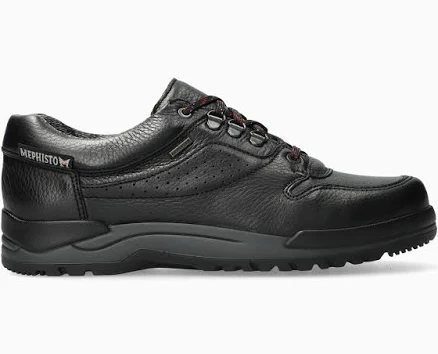
Mephisto
Men Mephisto Curt Mt SNEAKER
- leather, textile, rubber sole
- We found no PFAS statement from the brand
- Volatile organic compounds (VOC) off-gassing from adhesives
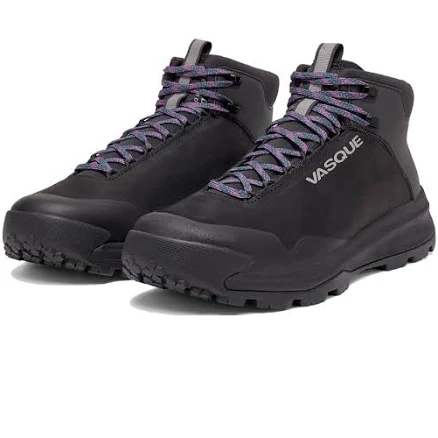
Vasque
Hiking shoes Vasque Women's Horizon Mid
- Leather/nubuck upper, synthetic/rubber sole, no coating disclosed
- We found no PFAS statement from the brand
- Azo dyes (leather/textile coloring)
4 hazards checked on this product. See all of them.
Find an alternative on AmazonMore waterproof boots grades
How we score, every product runs through the same public 0-100 rubric based on materials, coatings, brand disclosure, lab findings, and recalls. See the full methodology → Spotted a mistake? Report an error.