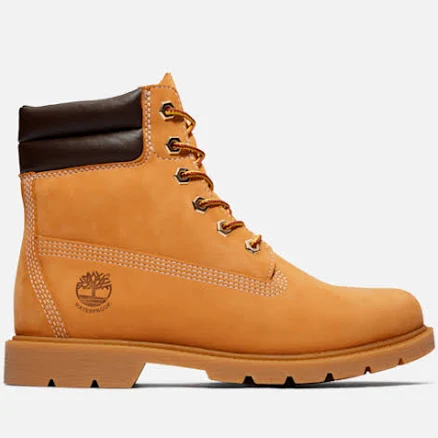
Timberland Women's
Skip until Timberland discloses waterproofing chemistry.
Timberland footwear typically uses water-repellent coating-treated leather or textiles. Brand does not publicly disclose PFAS status of water-repellent finishes.
Still want this one anyway? Check the price on Amazon. We’d swap it.
Material
leather/textile with waterproofing treatment
Brand disclosure
Brand is silent on PFAS
Lab data
No public lab test
You may also be interested in
Top-graded picks in the categories readers replace first, every one scored on the same rubric.

Aqua Pure
3M Aqua-Pure AP802B Whole House Filter Housing
- polypropylene filter housing, carbon/sediment cartridge
- We found no PFAS statement from the brand
- Bacterial growth in spent cartridges
3 hazards checked on this product. See all of them.

Aquasure
Premier Series 75 GPD Under Sink Reverse Osmosis Water Filtration System
- RO membrane, carbon filters, stainless steel housing
- We found no PFAS statement from the brand
- Bacterial and microbial growth in housing and filters
4 hazards checked on this product. See all of them.

Avocado
Vegan Mattress
- organic cotton, natural latex, coconut coir, recycled steel coils
- The brand calls it PFAS-free, which we have not verified
- Heavy metals
2 hazards checked on this product. See all of them.
What Timberland Women's is made of, ingredients and materials
Timberland Women's footwear typically combines leather uppers with textile components and a waterproofing treatment applied to the surface. The waterproofing agent is not publicly specified by Timberland, but industry practice for leather/textile boots points to PFAS-based water repellents (fluorocarbon coatings), which resist water and oil yet persist in the environment and body. Leather itself can vary in tanning method and dye chemistry; textile backing may include synthetic fibers that can shed microfibers during wear and washing.
What’s concerning
Waterproof / stain-resistant treatment
Water-repellent coating treatments have historically used PFAS.
Category baseline
The starting point for this type of product, before anything specific to this product is counted.
No PFAS disclosure
No public statement from the brand about PFAS in this product.
PFAS
Timberland does not name the waterproofing agent. Industry standard for leather/textile waterproofing in this price and performance tier is fluorocarbon (PFAS) coating; no public statement from Timberland contradicts this assumption.
Source, ATSDR ↗Azo dyes and chromium in leather tanning
Timberland sources leather globally; tanning chemistry is not disclosed. Azo dyes banned in EU may still appear in leather from non-EU tanneries, and hexavalent chromium in chrome tanning poses occupational and environmental risk, though consumer dermal exposure is generally low.
Formaldehyde / VOCs
Synthetic textiles used in lining or reinforcement may carry formaldehyde-based resins from manufacturing; new boots can off-gas initially. Timberland provides no testing or restricted substance disclosure.
Source, ATSDR ↗Microfiber shedding from synthetic textiles
Synthetic textile components in boot linings and backing shed microfibers during laundering and wear. This is a known property of polyester and nylon, not unique to Timberland, but contributes to plastic pollution.
Antimony in polyester reinforcement
If the boot uses polyester fabric (common in water-resistant lining), antimony trioxide catalyst residue may be present in trace amounts. Timberland does not specify polyester sourcing or antimony screening.
The full breakdown
The brand's record and disclosure
Timberland does not publicly disclose the specific waterproofing chemistry used in its footwear, and has not announced a commitment to PFAS-free alternatives or transition timelines. The brand has not obtained certifications such as Bluesign or Cradle to Cradle that would independently verify safer processing. While Timberland has made general sustainability pledges, transparency on hazardous chemical substitution lags behind competitors like Salomon or some REI Co-op branded boots.
How it compares in its category
Many premium outdoor footwear brands (Danner, Keen, Merrell) now offer PFAS-free or low-fluorine waterproofing options with published ingredient transparency. Entry-level waterproof boots often retain PFAS coatings without disclosure, making Timberland's silence typical of mid-market brands but not state-of-practice. Consumers seeking documented PFAS-free alternatives can find them, though at similar or slightly higher price points.
If you buy it
Wash new boots outdoors or in well-ventilated areas before wearing, as waterproofing off-gassing can occur initially. Avoid machine washing; hand clean with cool water and mild soap, then air-dry away from direct heat. Replace the boots when the sole wears through (typically 1-2 years for regular use) rather than attempting resoling, as the waterproofing layer cannot be reliably restored. Store in a dry, cool place; mold on damp leather indicates poor drainage or inadequate air circulation during storage.
What we don’t know
- Basis
- Model estimate, 35% confidence, not a lab result
- Lab test
- None on record for this exact product
- Brand statement
- Timberland has made none
Formulations change between production runs, so check the current label. How we grade.
Better-graded alternatives in Waterproof Boots
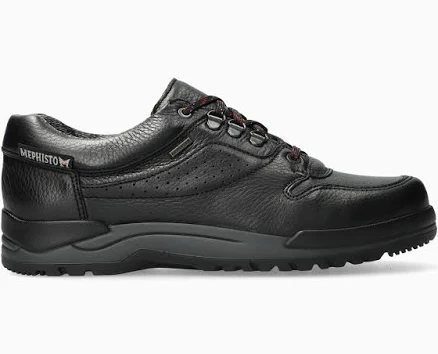
Mephisto
Men Mephisto Curt Mt SNEAKER
- leather, textile, rubber sole
- We found no PFAS statement from the brand
- Volatile organic compounds (VOC) off-gassing from adhesives
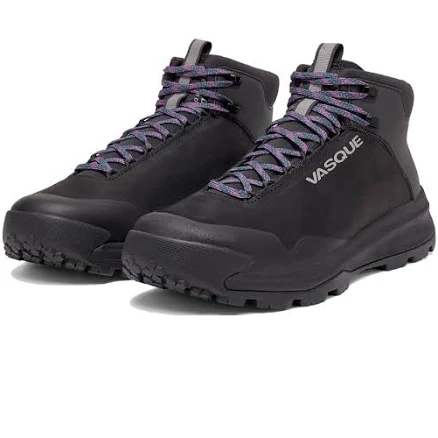
Vasque
Hiking shoes Vasque Women's Horizon Mid
- Leather/nubuck upper, synthetic/rubber sole, no coating disclosed
- We found no PFAS statement from the brand
- Azo dyes (leather/textile coloring)
4 hazards checked on this product. See all of them.
Find an alternative on AmazonMore waterproof boots grades
How we score, every product runs through the same public 0-100 rubric based on materials, coatings, brand disclosure, lab findings, and recalls. See the full methodology → Spotted a mistake? Report an error.