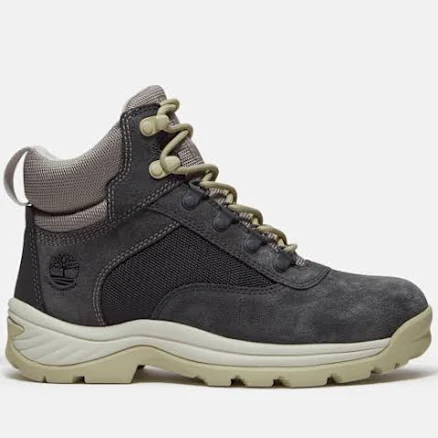
Timberland Women's White Ledge Mid Hiking Boot
Hiking boot with waterproof treatment; PFAS content unknown, consider alternatives.
Timberland makes no PFAS disclosures for this boot. The waterproof treatment on leather is likely to contain PFAS or fluorinated compounds, a standard industry practice for water-resistant footwear.
Still want this one anyway? Check the price on Amazon. We’d swap it.
Material
Leather upper, rubber sole with waterproof treatment
Brand disclosure
Brand is silent on PFAS
Lab data
No public lab test
You may also be interested in
Top-graded picks in the categories readers replace first, every one scored on the same rubric.

Aqua Pure
3M Aqua-Pure AP802B Whole House Filter Housing
- polypropylene filter housing, carbon/sediment cartridge
- We found no PFAS statement from the brand
- Bacterial growth in spent cartridges
3 hazards checked on this product. See all of them.

Aquasure
Premier Series 75 GPD Under Sink Reverse Osmosis Water Filtration System
- RO membrane, carbon filters, stainless steel housing
- We found no PFAS statement from the brand
- Bacterial and microbial growth in housing and filters
4 hazards checked on this product. See all of them.

Avocado
Vegan Mattress
- organic cotton, natural latex, coconut coir, recycled steel coils
- The brand calls it PFAS-free, which we have not verified
- Heavy metals
2 hazards checked on this product. See all of them.
What Timberland Women's White Ledge Mid Hiking is made of, ingredients and materials
The upper is leather, a protein-based material that does not leach significant chemicals under normal wear but can harbor residual tanning agents and dyes from manufacturing. The rubber sole and waterproof treatment are the key chemical concern, waterproofing in outdoor footwear is predominantly PFAS-based (fluorinated compounds) unless explicitly stated otherwise, though Timberland does not publicly disclose the chemistry of its water-resistance layer on this model. Leather tanning itself historically used chromium, though most major brands now use vegetable or synthetic tanning; Timberland's tanning method is not specified for this product.
What’s concerning
Waterproof / stain-resistant treatment
Water-repellent coating treatments have historically used PFAS.
Category baseline
The starting point for this type of product, before anything specific to this product is counted.
No PFAS disclosure
No public statement from the brand about PFAS in this product.
Azo dyes (leather/textile dyeing)
Leather upper is dyed; most leather dyes are not azo-based, but some leather colorants and inks used in branding or sealing can contain azo compounds. Timberland does not certify this boot as azo-free. Risk of skin contact is low if boot is worn over clothing, but individuals with severe dye sensitivity should verify.
Formaldehyde / VOCs
Leather finishing and waterproofing treatments may include formaldehyde-based resins or releasers to improve durability and water resistance. Exposure during normal wear is minimal because the boot is worn externally and not in contact with mouth or eyes. Off-gassing from new leather goods typically dissipates within days to weeks.
Source, ATSDR ↗Rubber sole degradation and microparticles
Rubber soles degrade over time from UV, moisture, and friction, potentially shedding microparticles into soil and water. This is a shared concern across all rubber-soled footwear. The rate depends on use intensity and storage conditions; no specific failure data exists for this model.
What’s reassuring
Chromium in leather tanning
Chromium III (trivalent chromium) is a legacy tanning agent. Modern leather tanning by major manufacturers typically uses vegetable or synthetic alternatives. Timberland does not publicly specify tanning method for this model, but chromium contamination is not commonly reported in contemporary leather footwear from established brands.
Heavy metals
Pigments used in leather dyeing and finish coatings may contain cadmium, lead, or antimony in some regions or older manufacturing processes. Timberland, as a major brand in developed supply chains, is unlikely to use such pigments, but the company does not certify this boot. Direct skin contact risk is low because the boot is worn over clothing.
Source, FDA ↗The full breakdown
The brand's record and disclosure
Timberland is a subsidiary of VF Corporation and has made some sustainability commitments, but does not publish detailed chemical composition or PFAS-free certifications for individual boot models. The brand has not publicly disclosed whether this boot's waterproof treatment is PFAS-based, PFAS-free, or alternative-chemistry. No major recalls or chemical hazard reports are on record for this specific model. Timberland's silence on PFAS content in waterproofed footwear is consistent with industry-wide lack of transparency on this treatment.
How it compares in its category
Most leather hiking boots in the mid-price range use PFAS-based water repellency unless marketed as PFAS-free (a small but growing segment). This boot is typical for its category in material choice and waterproofing approach. Brands explicitly offering PFAS-free waterproof boots exist but are less common and often cost more or require synthetic uppers. If PFAS avoidance is a priority, seeking boots with stated PFAS-free or wax-based treatments would be a meaningful alternative; this model does not qualify.
If you buy it
Clean and dry the boot after each wet use to prevent mold growth and material degradation of both leather and rubber. Re-apply waterproofing treatments (wax or commercial leather conditioner) every 6-12 months depending on use intensity; this may prolong the lifespan but does not change the initial PFAS profile. Store in a cool, dry place away from direct heat or UV to slow rubber and leather breakdown. Inspect the sole for separation or cracking every season; replacement of soles is possible but often costly relative to boot lifespan.
What we don’t know
- Basis
- Model estimate, 45% confidence, not a lab result
- Lab test
- None on record for this exact product
- Brand statement
- Timberland has made none
Formulations change between production runs, so check the current label. How we grade.
Better-graded alternatives in Waterproof Boots
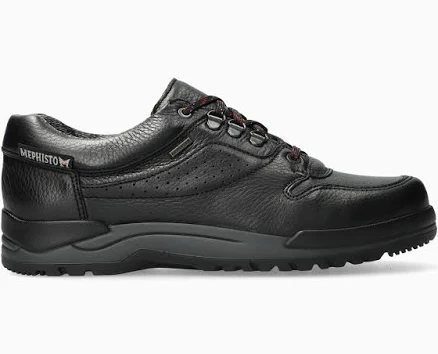
Mephisto
Men Mephisto Curt Mt SNEAKER
- leather, textile, rubber sole
- We found no PFAS statement from the brand
- Volatile organic compounds (VOC) off-gassing from adhesives
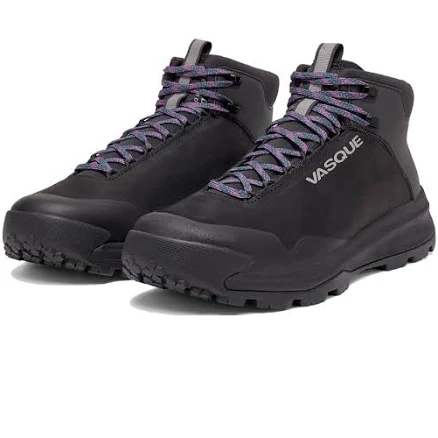
Vasque
Hiking shoes Vasque Women's Horizon Mid
- Leather/nubuck upper, synthetic/rubber sole, no coating disclosed
- We found no PFAS statement from the brand
- Azo dyes (leather/textile coloring)
4 hazards checked on this product. See all of them.
Find an alternative on AmazonMore waterproof boots grades
How we score, every product runs through the same public 0-100 rubric based on materials, coatings, brand disclosure, lab findings, and recalls. See the full methodology → Spotted a mistake? Report an error.