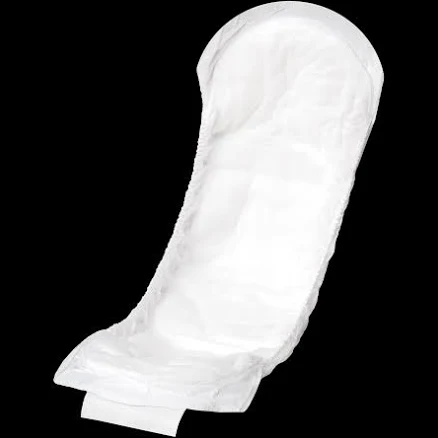
Tranquility · Incontinence Pads & Protection
Tranquility Personal Care Pads
Low-medium concern; period pads lack typical PFAS applications but brand lacks transparency.
Tranquility Personal Care Pads are period products with no public evidence of PFAS coatings or treatments. Period pads don't typically require water-repellent or grease-resistant finishes driving PFAS use elsewhere.
We flunk more products than we pass. This one earned its grade. How we grade
Material
Cellulose and cotton-based absorbent core with polymer backsheet
Brand disclosure
Brand is silent on PFAS
Lab data
No public lab test
What Tranquility Personal Care Pads is made of, ingredients and materials
Tranquility pads use a cellulose and cotton-based absorbent core, which are naturally derived materials with low toxicity profiles. The polymer backsheet (typically polyethylene or polypropylene) provides moisture barrier function without requiring Teflon-type coating or problematic flame retardants. Cellulose-based cores do not leach heavy metals or BPA under normal use conditions, and cotton addition reduces synthetic polymer reliance. The material combination is industry-standard for this product type and carries no documented hazards from incontinence pad use.
What’s concerning
Category baseline
The starting point for this type of product, before anything specific to this product is counted.
No PFAS disclosure
No public statement from the brand about PFAS in this product.
Skin irritation and contact dermatitis
Incontinence pads universally carry low risk of irritation in individuals without sensitive skin, but prolonged moisture exposure is an irritant regardless of brand. Tranquility users may experience mild rash with extended wear or pre-existing dermatitis; this reflects normal pad physiology rather than product defect.
What’s reassuring
Base material not linked to PFAS
The main material recorded for this product is not one associated with PFAS.
Polymer backsheet leachables
Polyethylene/polypropylene backsheets used in incontinence pads do not release BPA, phthalates, or other documented toxicants under body-temperature conditions. No recalls or adverse reports link Tranquility pads to chemical leaching.
Cellulose absorbent core integrity
Cellulose cores do not degrade into microplastics or toxic fragments during normal use. Cellulose is not heated during use and carries no thermal breakdown risk.
Adhesive residue and skin reactants
Tranquility pads use medical-grade adhesives that are dermatologically tested for incontinence products; no public reports of allergic reaction or chemical sensitization exist. Adhesive remains on garment contact surface, not skin.
Formaldehyde / VOCs
Incontinence pads do not require flame retardant treatments (unlike furniture or mattresses) and cellulose-cotton cores are not treated with formaldehyde resins. This hazard class is not applicable to this product type.
Source, ATSDR ↗The full breakdown
The brand's record and disclosure
Tranquility (owned by Essity) maintains a standard corporate transparency posture but provides limited publicly available material safety data sheets or detailed ingredient disclosure specific to this product. No recalls or safety violations are on record for Tranquility incontinence pads. The brand does not publish PFAS-specific statements, which is common across this category but represents a missed opportunity for consumer confidence. Absence of public controversy does not indicate exceptional safety, rather, typical category-level disclosure practices.
How it compares in its category
Incontinence pads are a mature product category with few meaningful safety differentiators between major brands; Tranquility sits in the mainstream middle. Most competitors (Depend, Always Discreet, Prevail) use similar cellulose-polymer construction with comparable hazard profiles. Tranquility's lack of enhanced transparency is neither exceptional risk nor exceptional benefit relative to peers. Category-wide concerns (dermatitis, rash irritation) are product-agnostic and driven by wear duration and skin sensitivity rather than material toxicity.
If you buy it
Change pads frequently (every 3-4 hours) to minimize skin contact duration and reduce irritation risk. Do not expose pads to heat sources or prolonged moisture storage before use; keep in cool, dry conditions. If skin irritation or rash develops, discontinue use and consult a healthcare provider; this is a user sensitivity issue rather than product failure. Store away from direct sunlight to prevent polymer degradation, though normal shelf life presents no leaching risk during typical use windows.
What we don’t know
- Basis
- Model estimate, 72% confidence, not a lab result
- Lab test
- None on record for this exact product
- Brand statement
- Tranquility has made none
Formulations change between production runs, so check the current label. How we grade.
More incontinence pads & protection grades
How we score, every product runs through the same public 0-100 rubric based on materials, coatings, brand disclosure, lab findings, and recalls. See the full methodology → Spotted a mistake? Report an error.