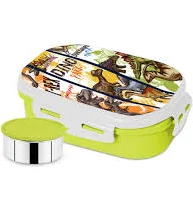
Trueware Byte Steel Lee Pu Insulated Hot Lunch Box 600ML Big Container & 150 ML Container | BPA Free | high quality mate
Likely lower concern; stainless steel itself does not contain PFAS.
Trueware makes no PFAS claims or disclosures. Stainless steel food containers are lower concern for PFAS, though plastic lids and seals warrant caution without material specifics.
We flunk more products than we pass. This one earned its grade. How we grade
Material
Stainless steel containers with plastic lids
Brand disclosure
Brand is silent on PFAS
Lab data
No public lab test
What Trueware Byte Steel Lee Pu Insulated Hot is made of, ingredients and materials
This lunch box consists of stainless steel food containers (600 mL and 150 mL) paired with plastic lids. Stainless steel does not leach metals under normal use and resists corrosion, making it a stable food contact material. The plastic lids are the variable, the product claims BPA-free status, but the specific plastic type (polypropylene, polyethylene, or other) is not stated in available information. Lid durability and seal integrity over repeated heating and cooling cycles will determine long-term safety.
What’s concerning
Category baseline
The starting point for this type of product, before anything specific to this product is counted.
No PFAS disclosure
No public statement from the brand about PFAS in this product.
Plastic lid degradation and microplastic release
Plastic lids in lunch boxes are subject to thermal cycling (hot food, refrigeration, dishwashing). No test data for this specific model is on record, but repeated heating can cause microscopic cracking or leaching of plastic oligomers into food, particularly fatty or acidic items.
Lid seal failure and bacterial growth
If the plastic lid seal degrades or does not form a complete seal, food stored at room temperature for extended periods could support bacterial growth. This is a functional safety issue, not a chemical one, but is most likely failure mode for this product category over time.
What’s reassuring
Base material not linked to PFAS
The main material recorded for this product is not one associated with PFAS.
BPA & bisphenols
The product claims BPA-free; this is standard for food-contact plastics in most markets. However, no independent lab analysis of this product confirms the specific polymer type or confirms absence of BPS, phthalates, or other endocrine-active substitutes. Brand transparency on lid material composition is absent.
Source, FDA ↗Stainless steel leaching
Food-grade stainless steel (typically 304 or 316 alloy) does not leach iron, nickel, or chromium into food under normal storage and serving conditions. No quality standard certification for the alloy grade is documented for this product, but stainless steel containers are inherently lower-leaching than many alternatives.
Formaldehyde / VOCs
Some plastic food storage lids contain formaldehyde-releasing resins or antimicrobial additives (e.g., silver ion coatings). No evidence of such additives is available for this product, and no complaints or test results on record suggest their presence.
Source, ATSDR ↗The full breakdown
The brand's record and disclosure
Trueware is an Indian kitchenware brand with limited public third-party certification history available in English-language databases. The product explicitly advertises BPA-free construction, which aligns with current market standards for food storage, but no independently verified safety certifications or recalls appear on record for this model. The brand does not publish detailed material sourcing, testing reports, or response to chemical safety inquiries in publicly accessible sources. No substantiated safety controversies have been documented.
How it compares in its category
Stainless steel lunch containers are a lower-concern option compared to single-use plastic or aluminum-lined storage, which carry greater leaching risks under heat and acid. Many competing brands (Cello, Milton, Thermoking) offer similar stainless steel plus plastic lid designs at comparable price points, often with similar or vaguer material disclosures. The 600 mL and 150 mL dual-container design is typical for compartmentalized lunch solutions. Plastic lid quality and BPA-free formulation are standard claims now; differentiation lies in lid seal durability, which is difficult to assess without long-term use data.
If you buy it
Hand wash lids rather than dishwasher to extend plastic life and reduce thermal stress on seals. Do not fill with very hot liquids immediately after cooking; allow a brief cool period to avoid lid warping or seal failure. Replace lids if they become discolored, cracked, or no longer seal; degraded plastic can shed microparticles into food. Inspect seals every 6-12 months; stainless steel bodies last years, but plastic components typically need replacement within 2-3 years of regular use.
What we don’t know
- Basis
- Model estimate, 72% confidence, not a lab result
- Lab test
- None on record for this exact product
- Brand statement
- Trueware has made none
Formulations change between production runs, so check the current label. How we grade.
Better-graded alternatives in Lunch Boxes
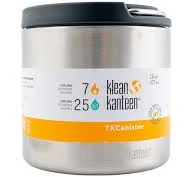
Klean Kanteen
Double Wall Vacuum Insulated Stainless Steel Food Canister Container with Leak Proof Lid
- Stainless steel body, silicone gasket lid seal
- The brand calls it PFAS-free, which we have not verified
- Silicone gasket degradation
3 hazards checked on this product. See all of them.
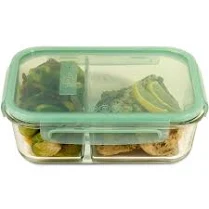
Snapware
Meal Box Glass
- borosilicate glass
- We found no PFAS statement from the brand
- Leaching from glass matrix or lid seals
2 hazards checked on this product. See all of them.
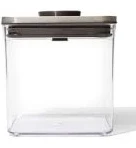
OXO
Steel Pop Big Square Short - 2.8 Qt/2.6 l
- Stainless steel container, no surface treatment
- Lid/gasket polymer leaching
3 hazards checked on this product. See all of them.
More lunch boxes grades
How we score, every product runs through the same public 0-100 rubric based on materials, coatings, brand disclosure, lab findings, and recalls. See the full methodology → Spotted a mistake? Report an error.