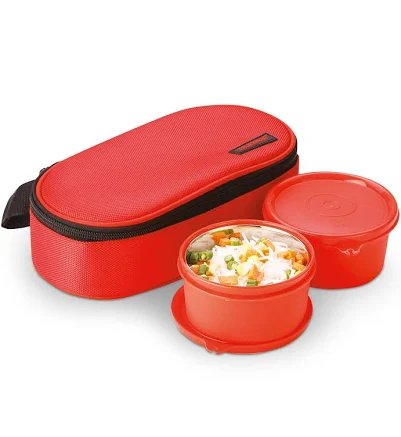
Trueware Nutri Fresh 2-Insulated Stainless Steel Lunch Box -Red
Lower concern, but no PFAS disclosure from brand available.
Stainware stainless steel lunch box with plastic components. No brand PFAS claims found; stainless steel is lower concern, but plastic lids and seals warrant caution without further testing data.
We flunk more products than we pass. This one earned its grade. How we grade
Material
Stainless steel interior and exterior, food-grade plastic lids
Brand disclosure
Brand is silent on PFAS
Lab data
No public lab test
What Trueware Nutri Fresh 2-Insulated is made of, ingredients and materials
The Trueware Nutri Fresh 2 uses food-grade stainless steel (typically 18/8 or 304 grade) for interior and exterior walls, which is inert and does not leach metals into food under normal use. The lids are molded food-grade plastic, likely polypropylene (PP) or similar, which are considered non-toxic for cold and warm food storage. Stainless steel is chemically stable and does not degrade from repeated washing or contact with acidic foods, making it a durable choice for lunch containers.
What’s concerning
Category baseline
The starting point for this type of product, before anything specific to this product is counted.
No PFAS disclosure
No public statement from the brand about PFAS in this product.
Plastic lid degradation over time
Food-grade plastics in lunch box lids are susceptible to wear, discoloration, and loss of seal integrity after repeated hot-wash cycles or storage of hot foods. No specific failure data is on record for Trueware lids, but this is a known wear mechanism in the category.
Seal and gasket failure
The insulation and seal integrity depend on gasket material and assembly quality, which Trueware does not detail publicly. Gasket degradation or poor initial seal is a common failure point in mid-market insulated containers but is not specific to this brand on record.
What’s reassuring
Base material not linked to PFAS
The main material recorded for this product is not one associated with PFAS.
BPA & bisphenols
Trueware does not publicly state whether lids are BPA-free or phthalate-free. Food-grade polypropylene used in modern lunch boxes typically does not include BPA, but absence of a brand statement leaves this unconfirmed for this specific product.
Source, FDA ↗Stainless steel leaching (nickel)
Food-grade 304 stainless steel does not leach nickel into food under normal conditions; this hazard is not documented for lunch boxes made from this material. Risk is effectively null unless the container is damaged or uses substandard alloy.
Microplastic shedding from lid
No shedding or microplastic release has been reported for intact food-grade plastic lids on stainless steel lunch boxes. Risk occurs only if the lid is cracked or the plastic degrades significantly.
The full breakdown
The brand's record and disclosure
Trueware does not publicly disclose material certifications, test results, or specific polymer identities for lid components on available product information. The brand has no documented recalls, lawsuits, or safety controversies in the public record for this product line. No third-party certifications (e.g., BPA-free labeling, NSF, FDA approval statements) are prominently advertised, which is typical for mid-market Indian lunch box manufacturers.
How it compares in its category
Stainless steel lunch boxes occupy a lower-risk position in the food storage category compared to aluminum or coated metal containers, which carry leaching and coating-degradation concerns. They are more durable and chemically inert than single-use plastics or ceramic-coated containers. The main trade-off is weight and cost; most alternatives (plastic tiffin boxes, glass containers) introduce different hazards (BPA/phthalates, breakage) or require regular replacement.
If you buy it
Hand-wash the plastic lids with mild soap to avoid prolonged dishwasher heat, which can degrade polymer durability over 2-3 years of use. Avoid storing extremely hot food (above 80°C) in direct contact with plastic lids for extended periods; allow food to cool slightly before sealing. Inspect lids annually for cracks, cloudiness, or brittleness; replace if visible damage occurs. The stainless steel exterior and interior require no special maintenance beyond normal rinsing and drying.
What we don’t know
- Basis
- Model estimate, 72% confidence, not a lab result
- Lab test
- None on record for this exact product
- Brand statement
- Trueware has made none
Formulations change between production runs, so check the current label. How we grade.
Better-graded alternatives in Lunch Boxes
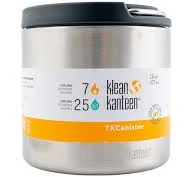
Klean Kanteen
Double Wall Vacuum Insulated Stainless Steel Food Canister Container with Leak Proof Lid
- Stainless steel body, silicone gasket lid seal
- The brand calls it PFAS-free, which we have not verified
- Silicone gasket degradation
3 hazards checked on this product. See all of them.
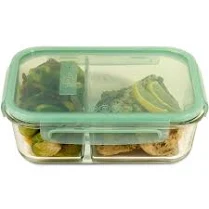
Snapware
Meal Box Glass
- borosilicate glass
- We found no PFAS statement from the brand
- Leaching from glass matrix or lid seals
2 hazards checked on this product. See all of them.
OXO
Steel Pop Big Square Short - 2.8 Qt/2.6 l
- Stainless steel container, no surface treatment
- Lid/gasket polymer leaching
3 hazards checked on this product. See all of them.
More lunch boxes grades
How we score, every product runs through the same public 0-100 rubric based on materials, coatings, brand disclosure, lab findings, and recalls. See the full methodology → Spotted a mistake? Report an error.