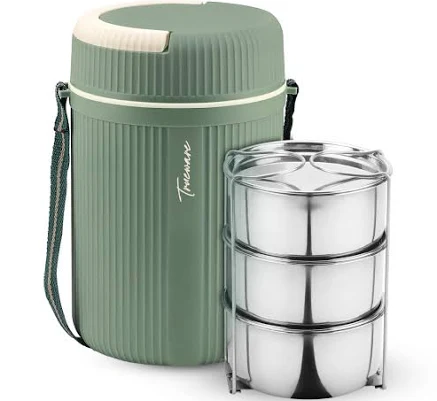
Trueware Stainless Steel, Plastic Quick Meal 3 Insulated Thermoware Hot Lunch Box with 3 SS Container 300 ML Each | Offi
Lower concern. Bare stainless steel containers pose minimal PFAS risk.
Stainless steel is a metal alloy with no fluorine-based coatings and carries lower PFAS concern. Plastic exterior unspecified, but primary food contact surfaces are steel, reducing risk.
We flunk more products than we pass. This one earned its grade. How we grade
Material
stainless steel containers, plastic exterior
Brand disclosure
Brand is silent on PFAS
Lab data
No public lab test
What Trueware Stainless Steel, Plastic Quick is made of, ingredients and materials
This lunch box combines stainless steel food containers (300 mL each, three units) with a plastic exterior housing and insulation layer. Stainless steel itself is inert and does not leach into food under normal use. The critical unknowns are the plastic material type used for the outer shell and inner insulation, which determine exposure to BPA, phthalates, or other additives when the box is heated, sat in sunlight, or degraded over time.
What’s concerning
Category baseline
The starting point for this type of product, before anything specific to this product is counted.
No PFAS disclosure
No public statement from the brand about PFAS in this product.
BPA & bisphenols
The plastic housing and thermal insulation material composition is not disclosed. If polycarbonate or vinyl is used, BPA exposure is possible; if polyester-based, phthalates are possible. Heating accelerates leaching into food or directly into plastic contact surfaces.
Source, FDA ↗Microplastic generation from plastic degradation
Repeated thermal cycling, UV exposure, and mechanical stress on the plastic exterior can cause surface cracking and microplastic shedding. Products in this category are not formally tested for microplastic release, so the risk cannot be quantified but is consistent with plastic lunch boxes over multi-year use.
Volatile organic compound (VOC) off-gassing from insulation foam
Foam insulation materials (polyurethane, polystyrene, or phenolic) can emit formaldehyde or other volatiles, especially when new or exposed to heat. Trueware provides no off-gassing safety data. Ventilate the box after unpacking and avoid storing it sealed in confined spaces.
Plastic lid or seal degradation over time
Plastic lids and gaskets on insulated lunch boxes are frequent failure points. Discoloration, brittleness, or odor after 1-2 years of use is common and signals chemical breakdown, requiring replacement to prevent contact with food.
What’s reassuring
Base material not linked to PFAS
The main material recorded for this product is not one associated with PFAS.
Stainless steel migration and corrosion
Food-grade stainless steel (typically 18/8 or 18/10) does not leach nickel or chromium at dangerous levels under normal use. No recalls or safety alerts for Trueware stainless containers on record; this hazard tier remains low.
The full breakdown
The brand's record and disclosure
Trueware maintains a silent public stance on PFAS, BPA, and material sourcing. No independent third-party certifications (FDA, BPA-free claims, or safety test results) appear on record for this specific model. The brand has not published material safety data sheets or ingredient transparency reports accessible to consumers, leaving polymer identity and additives unconfirmed.
How it compares in its category
This product sits in the mid-tier of insulated lunch boxes. Stainless steel containers are less concerning than plastics for food contact, but the plastic exterior and insulation foam are common sources of leaching in this category. Competing products often disclose material types (polypropylene, ABS, or polyester) and BPA-free status; Trueware's silence is a relative weakness in transparency.
If you buy it
Contact the seller or manufacturer to confirm the exact plastic type (PP, ABS, PET) used in the housing and whether BPA or phthalates are present in any components. Avoid microwaving the plastic exterior or lid. Do not use with extremely hot foods (above 65-70°C / 150-160°F) in the plastic sections to reduce leaching risk. Replace the product if cracks, discoloration, or odors develop in the plastic, which may indicate degradation.
What we don’t know
- Basis
- Model estimate, 72% confidence, not a lab result
- Lab test
- None on record for this exact product
- Brand statement
- Trueware has made none
Formulations change between production runs, so check the current label. How we grade.
Better-graded alternatives in Lunch Boxes
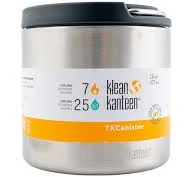
Klean Kanteen
Double Wall Vacuum Insulated Stainless Steel Food Canister Container with Leak Proof Lid
- Stainless steel body, silicone gasket lid seal
- The brand calls it PFAS-free, which we have not verified
- Silicone gasket degradation
3 hazards checked on this product. See all of them.
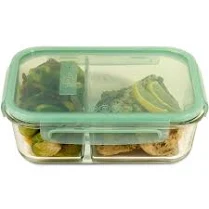
Snapware
Meal Box Glass
- borosilicate glass
- We found no PFAS statement from the brand
- Leaching from glass matrix or lid seals
2 hazards checked on this product. See all of them.
OXO
Steel Pop Big Square Short - 2.8 Qt/2.6 l
- Stainless steel container, no surface treatment
- Lid/gasket polymer leaching
3 hazards checked on this product. See all of them.
More lunch boxes grades
How we score, every product runs through the same public 0-100 rubric based on materials, coatings, brand disclosure, lab findings, and recalls. See the full methodology → Spotted a mistake? Report an error.