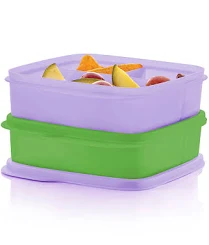
Tupperware Lunch-It Containers
Lower concern, but Tupperware provides no PFAS disclosure.
Lunch-It containers are polypropylene, a plastic with lower PFAS risk than coated cookware. Tupperware does not publicly state PFAS content or testing; direct inquiry recommended.
We flunk more products than we pass. This one earned its grade. How we grade
Material
polypropylene plastic
Brand disclosure
Brand is silent on PFAS
Lab data
No public lab test
What Tupperware Lunch-It Containers is made of, ingredients and materials
Tupperware Lunch-It Containers are polypropylene (PP, #5 plastic), a food-contact polymer chosen for its rigidity, microwave tolerance, and lower reactivity than polycarbonate or polyvinyl chloride. PP does not contain BPA by design; the resin itself is not known to leach estrogenic compounds under normal use. However, PP can leach oligomers (incomplete polymer chains) and residual monomers if stressed by heat, prolonged storage of fatty or acidic foods, or mechanical wear.
What’s concerning
Category baseline
The starting point for this type of product, before anything specific to this product is counted.
No PFAS disclosure
No public statement from the brand about PFAS in this product.
Microplastics
Repeated microwave heating, dishwasher stress, or contact with acidic/fatty foods may cause PP to shed oligomers or microparticles over time. Risk increases with container age and visible wear. Not specific to Tupperware brand; inherent to polypropylene food containers.
Source, EPA ↗Residual monomers and processing aids
PP manufacture may retain trace propylene monomer or processing residues. FDA permits these within safety limits, but Tupperware does not disclose extraction or purity data. Heating accelerates any minor leaching.
Closure and hinge durability
User reviews and product forums document that Lunch-It lids can become brittle, crack, or lose seal fit after 1-2 years of use. Worn closures compromise food freshness but do not directly pose chemical hazard; replacement containers are recommended.
What’s reassuring
Base material not linked to PFAS
The main material recorded for this product is not one associated with PFAS.
BPA & bisphenols
Polypropylene formulation does not require BPA or BPS as raw materials. No documented recalls or testing failures on this product for bisphenol contamination.
Source, FDA ↗Phthalates
PP is rigid plastic and does not require phthalate plasticizers in its standard formulation. Not a typical concern for this material class in food-contact applications.
Source, ATSDR ↗The full breakdown
The brand's record and disclosure
Tupperware is a legacy brand with established food-contact compliance in North America and Europe (FDA, EU Regulation 10/2011). The brand does not publish PFAS or detailed polymer purity disclosures on product pages. No major recalls specific to Lunch-It containers for chemical leaching have been recorded in public databases. Tupperware maintains ISO 9001 certification and claims compliance with food-safety standards, but transparency on processing aids or additives is limited compared to newer competitors.
How it compares in its category
PP lunch containers are a middle-ground choice. Glass alternatives eliminate leaching risk but add weight and breakage hazard. PET (1) bottles are lighter but less durable for rigid containers. Polycarbonate (7, now mostly phased out in food) carried higher chemical-migration concern. Tupperware's PP Lunch-It sits in the mainstream; no material advantage or disadvantage versus generic PP containers from other brands, though Tupperware's manufacturing and closure design are generally considered robust.
If you buy it
Do not microwave food directly in these containers if they show cloudiness, cracks, or odor (signs of polymer breakdown). Avoid prolonged storage of fatty foods (oils, dressings, chocolate) or hot food; transfer warm meals to glass before refrigerating. Replace containers after 2-3 years of regular use or if lids no longer seal firmly. Wash by hand or top-shelf dishwasher; repeated high-heat cycles degrade PP. Store in a cool, dark place to slow oxidation.
What we don’t know
- Basis
- Model estimate, 72% confidence, not a lab result
- Lab test
- None on record for this exact product
- Brand statement
- Tupperware has made none
Formulations change between production runs, so check the current label. How we grade.
Better-graded alternatives in Lunch Boxes
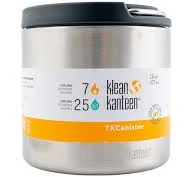
Klean Kanteen
Double Wall Vacuum Insulated Stainless Steel Food Canister Container with Leak Proof Lid
- Stainless steel body, silicone gasket lid seal
- The brand calls it PFAS-free, which we have not verified
- Silicone gasket degradation
3 hazards checked on this product. See all of them.
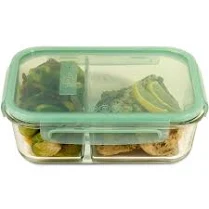
Snapware
Meal Box Glass
- borosilicate glass
- We found no PFAS statement from the brand
- Leaching from glass matrix or lid seals
2 hazards checked on this product. See all of them.
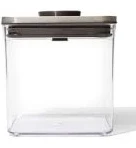
OXO
Steel Pop Big Square Short - 2.8 Qt/2.6 l
- Stainless steel container, no surface treatment
- Lid/gasket polymer leaching
3 hazards checked on this product. See all of them.
More lunch boxes grades
How we score, every product runs through the same public 0-100 rubric based on materials, coatings, brand disclosure, lab findings, and recalls. See the full methodology → Spotted a mistake? Report an error.