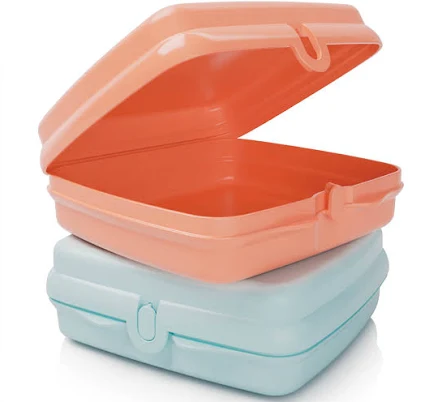
Tupperware Sandwich Keepers 2 Easy-Open Lunch Boxes for Kids
Lower concern. Standard plastic lunch box, no PFAS-prone features.
Tupperware sandwich keepers are polypropylene plastic with no disclosed coatings or water-resistant treatments. Polypropylene itself has lower PFAS risk than Teflon-family coating or treated materials.
We flunk more products than we pass. This one earned its grade. How we grade
Material
polypropylene plastic
Brand disclosure
Brand is silent on PFAS
Lab data
No public lab test
What Tupperware Sandwich Keepers 2 Easy-Open is made of, ingredients and materials
Tupperware Sandwich Keepers are polypropylene (PP, #5 plastic), a rigid thermoplastic chosen for durability and food contact approval. Polypropylene has a melting point around 130°C and does not leach BPA or phthalates under normal cold/room-temperature food storage. The material is approved by FDA for food contact and is one of the safer plastics for lunch containers when kept below 100°C. Colored lids or seals may contain pigments or additives, but no specific contamination issues are documented for this product line.
What’s concerning
Category baseline
The starting point for this type of product, before anything specific to this product is counted.
No PFAS disclosure
No public statement from the brand about PFAS in this product.
Microplastic shedding
Repeated use, abrasion, and UV exposure can cause microscopic plastic particles to detach from container surfaces and lids. Risk is low during normal storage but increases with age and scratching; no data specific to Tupperware Sandwich Keepers.
Heat-induced migration of additives
Polypropylene containers may leach minor additives (stabilizers, colorants) when exposed to heat above 70°C or repeated microwave use. Tupperware specifies cold/room-temp use; microwaving voids intended safe use.
Pigment or colorant safety (lids/seals)
Colored plastic components may contain heavy metal-based pigments or organic dyes. No specific testing results are public for Tupperware Sandwich Keeper lids; risk is typical for colored plasticware and unconfirmed for this product.
Seal/gasket degradation over time
Rubber or plastic gaskets in the easy-open lids may harden, crack, or degrade with age, losing food-contact integrity. Replacement parts are not widely marketed; degraded seals can harbor bacteria if not regularly cleaned.
What’s reassuring
Base material not linked to PFAS
The main material recorded for this product is not one associated with PFAS.
BPA & bisphenols
Polypropylene does not contain BPA or phthalates by formulation. No recalls or testing failures for this product indicate leaching of these compounds under normal use conditions.
Source, FDA ↗The full breakdown
The brand's record and disclosure
Tupperware does not publicly disclose detailed chemical composition or third-party testing for individual products beyond FDA compliance claims. The company has faced historical scrutiny over plastic safety but has not been linked to major recalls for Sandwich Keepers specifically. Tupperware maintains general statements about food safety standards but provides minimal transparency on additive identity or heavy metal testing. No certified safety certifications (e.g., NSF, BPA-free labeling) are prominently marketed for this product.
How it compares in its category
Polypropylene lunch containers are mid-range in the food-storage safety spectrum; they perform similarly to other PP-based brands (Sistema, Rubbermaid PP lines) and are considered safer than older polycarbonate or unlined aluminum boxes. Glass lunch containers and stainless steel offer marginally lower leaching risk but are heavier and more breakable. Tupperware's hard plastic design is comparable to budget alternatives; the main differentiator is durability and seal quality rather than material safety.
If you buy it
Store cold or room-temperature foods only; do not microwave, dishwasher (hot cycle), or expose to sunlight for extended periods, as heat and UV degrade plastic integrity. Replace if visible cracks, cloudiness, or warping develop, as these signal polymer breakdown and increased leaching risk. Wash by hand in cool water with mild soap; avoid abrasive scrubbers that compromise surface finish. Keep away from fatty or acidic foods stored warm, as these conditions accelerate migration of minor additives.
What we don’t know
- Basis
- Model estimate, 72% confidence, not a lab result
- Lab test
- None on record for this exact product
- Brand statement
- Tupperware has made none
Formulations change between production runs, so check the current label. How we grade.
Better-graded alternatives in Lunch Boxes
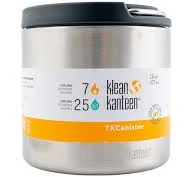
Klean Kanteen
Double Wall Vacuum Insulated Stainless Steel Food Canister Container with Leak Proof Lid
- Stainless steel body, silicone gasket lid seal
- The brand calls it PFAS-free, which we have not verified
- Silicone gasket degradation
3 hazards checked on this product. See all of them.
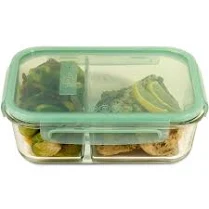
Snapware
Meal Box Glass
- borosilicate glass
- We found no PFAS statement from the brand
- Leaching from glass matrix or lid seals
2 hazards checked on this product. See all of them.
OXO
Steel Pop Big Square Short - 2.8 Qt/2.6 l
- Stainless steel container, no surface treatment
- Lid/gasket polymer leaching
3 hazards checked on this product. See all of them.
More lunch boxes grades
How we score, every product runs through the same public 0-100 rubric based on materials, coatings, brand disclosure, lab findings, and recalls. See the full methodology → Spotted a mistake? Report an error.