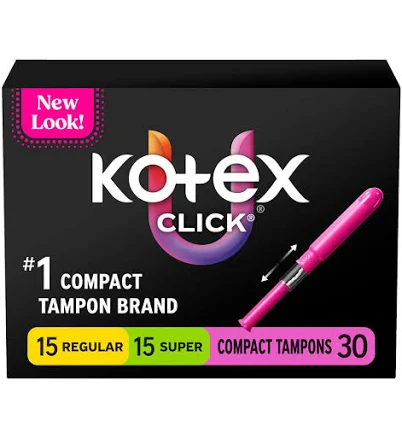
U by Kotex Click Compact Multipack Tampons Regular/Super Unscented 30 ct
Lower concern product, no confirmed PFAS risk signals identified.
Tampons are primarily cellulose-based materials without known PFAS treatments. No public disclosure of PFAS testing or use by brand, but standard tampon composition poses lower PFAS concern than water-resistant or nonstick products.
We flunk more products than we pass. This one earned its grade. How we grade
Material
Rayon/viscose, cotton, cardboard applicator
Lab data
No public lab test
You may also be interested in
Top-graded picks in the categories readers replace first, every one scored on the same rubric.

- polypropylene filter housing, carbon/sediment cartridge
- We found no PFAS statement from the brand
- Bacterial growth in spent cartridges
3 hazards checked on this product, all on its full breakdown.

Aquasure
Premier Series 75 GPD Under Sink Reverse Osmosis Water Filtration System
- RO membrane, carbon filters, stainless steel housing
- We found no PFAS statement from the brand
- Bacterial and microbial growth in housing and filters
4 hazards checked on this product, all on its full breakdown.

Avocado
Vegan Mattress
- organic cotton, natural latex, coconut coir, recycled steel coils
- The brand calls it PFAS-free, which we have not verified
- Heavy metals
2 hazards checked on this product, all on its full breakdown.
What U by Kotex Click Compact Unscented is made of, ingredients and materials
U by Kotex Click tampons use rayon (viscose) and cotton as the absorbent core, with a cardboard applicator. Rayon is a regenerated cellulose fiber that is highly absorbent but chemically processed during manufacturing; however, the final fiber itself does not retain processing residues in clinically significant amounts. Cardboard applicators eliminate concerns associated with plastic or plastic-coated applicators (BPA, phthalate leaching). The unscented formulation removes fragrance allergen risk that scented variants carry.
What’s concerning
Category baseline
The starting point for this type of product, before anything specific to this product is counted.
No PFAS disclosure
No public statement from the brand about PFAS in this product.
Toxic shock syndrome (TSS) - general tampon risk
TSS is associated with prolonged tampon use and high-absorbency products, not specific material composition. U by Kotex Click Regular/Super absorbencies carry the same TSS risk profile as any mainstream tampon. Risk is minimized by adherence to usage guidelines (change every 4-8 hours, alternate with pads).
What’s reassuring
Base material not linked to PFAS
The main material recorded for this product is not one associated with PFAS.
Pesticide residue
Kotex does not disclose whether cotton is conventional or organic. Conventional cotton is heavily pesticide-treated during cultivation, but no studies have documented problematic systemic absorption of pesticide residues from tampons into vaginal tissue in normal use. This remains an unquantified exposure pathway.
Source, EPA ↗Rayon processing chemicals (dioxins, sulfur compounds)
Rayon production involves sodium hydroxide and carbon disulfide; however, the final fiber does not retain these chemicals in clinically detectable amounts. Historical concerns about dioxin contamination in tampons have not been substantiated in recent testing, and this product has no specific safety signal on record.
Bleaching residues (chlorine, elemental chlorine)
Kotex does not disclose bleaching method (elemental chlorine vs. oxygen/chlorine dioxide). Most major brands have transitioned away from elemental chlorine, but no confirmation is available for this specific product. No residual chlorine or dioxin concerns have been documented in FDA or consumer safety reports.
Plastic applicator leaching (not applicable to this product)
This product uses cardboard, not plastic, eliminating BPA, BPS, and phthalate leaching concerns present in plastic-applicator tampons. This is a material advantage over plastic alternatives.
How is this PFAS grade calculated?
The brand's record and disclosure
Kotex is owned by Kimberly-Clark, a major consumer-goods manufacturer. The company does not publicly disclose detailed ingredient sourcing, pesticide use on cotton, or chemical processing protocols for rayon production. U by Kotex has no documented recalls, safety controversies, or regulatory actions on record related to these tampons. The brand does not advertise organic certification, but the product carries no known red flags in FDA or consumer safety databases.
How it compares in its category
Cardboard applicators present lower concern than plastic or plastic-coated alternatives because they eliminate leaching pathways for plasticizers and microplastics. U by Kotex sits in the mainstream market segment; it is less expensive than organic/certified brands and lacks third-party certifications (organic, Fair Trade, chlorine-free bleaching). Many competitor products use identical rayon-cotton blends, so material hazard risk is category-typical, not elevated.
If you buy it
Store in a cool, dry place away from moisture to prevent mold or bacterial colonization in the cardboard packaging. Use one tampon per menstrual cycle phase and replace every 4 to 8 hours to reduce toxic shock syndrome (TSS) risk, as with all tampons. The cardboard applicator is not reusable and should be disposed of as regular waste. No special care or maintenance is required; this is a single-use consumable product.
What is not known about PFAS in this product?
- Basis
- Model estimate, 72% confidence, not a lab result
- Lab test
- None on record for this exact product
- Brand statement
- U by Kotex has made a specific claim
Formulations change between production runs, so check the current label. How we grade.
What are the PFAS-free alternatives to U by Kotex Click Compact Multipack Tampons Regular/Super Unscented 30 ct?
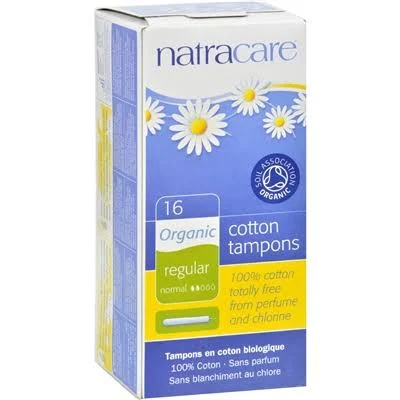
- 100% organic cotton
- A third party reports verifying it as PFAS-free
- Heavy metals
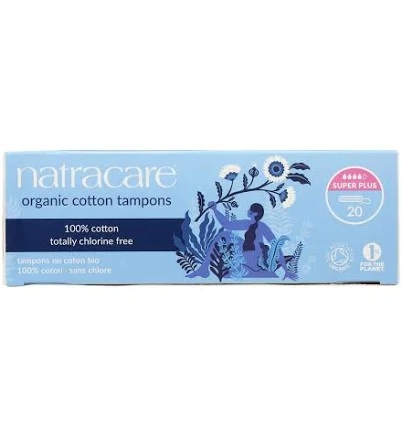
Natracare
Organic Super Plus Tampons, 3 x 20 ct
- organic cotton, cardboard applicator
- The brand calls it PFAS-free, which we have not verified
- Dioxins from bleaching
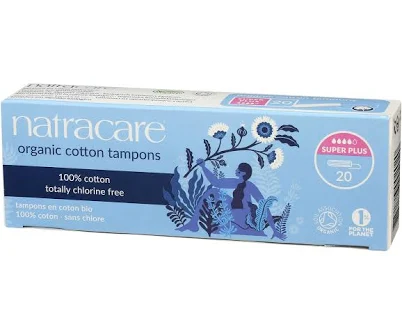
Natracare
Organic Cotton Super Plus Tampons
- organic cotton, no added fluorochemicals
- The brand calls it PFAS-free, which we have not verified
- Verified PFAS-free by a third party
More tampons grades
How we score, every product runs through the same public 0-100 rubric based on materials, coatings, brand disclosure, lab findings, and recalls. See the full methodology → Spotted a mistake? Report an error.